
 Information for
 Quick links
 Faculties


News
Here you can find news about the chair's activities.
An overview of current event dates can be found here.
Never miss anything again: Stay up to date with our social media channels:
Past news can be found in the archive.

New lecture series on Computational Social Science
Computational Social Science is the intersection between social sciences and computer science. This new discipline uses computational methods to address societally relevant research questions.
During the winter term 2026/27, SOUNDS offers a lecture series for students and guest listeners that introduces them to this new field. Every session introduces a societally relevant problem and shows the computational methods used to examine these problems. The lecture series takes place in English.
Who is this lecture series for?
- All students at Saarland University (LSF-Number 166580)
- Everyone who is interested in Computational Social Science (Guest listeners)
Who are the presenters? Researchers from …
- SOUNDS
- Interdisciplinary Institute of Societal Computing (I2SC)
- Max Planck Institute for Software Systems
- GESIS Leibniz-Institute for the Social Sciences
- Other German and international universities
For more information on the agenda, time and place, see here.
Two Professorships Open in the SOUNDS Research Initiative
SOUNDS (Societal Observatory Using Novel Data Sources) at Saarland University is recruiting for two professorial positions. SOUNDS is a collaborative research initiative that emerged from the cooperation between Prof. Dr. Daniela Braun and Prof. Dr. Ingmar Weber within the Interdisciplinary Institute for Societal Computing (I2SC), which they jointly founded. The initiative is co-directed by both researchers and aims to systematically investigate societal transformations using novel data sources.
By developing innovative methodological approaches, SOUNDS leverages data from sources such as social media platforms, satellite imagery, and web search behaviour to better understand and explain societal developments. Through the integration of computational methods and social science expertise, the initiative contributes to the advancement of empirical research methodologies. In the long term, SOUNDS seeks to establish itself as a leading research hub for the study of contemporary societal challenges and to provide scientifically grounded insights for policymakers, civil society, and the broader public.
Open positions:
- W3 Professorship in Computational Social Science (Reference No. W2906)
- W2 Professorship (Tenure Track to W3) in Political Science, Social Science, or Communication Science (Reference No. W2905)
Both positions offer the opportunity to contribute to the development of an emerging interdisciplinary field and to work within an international research environment.
Applications from qualified scholars from Germany and abroad are welcome. The SOUNDS initiative would also appreciate support in sharing these vacancies within relevant academic and professional networks to help reach suitable candidates.

Study on the 2024 European elections, conducted by the researchers at Saarland University and GESIS, receives an award
The research team comprising Dr. Giuseppe Carteny, Prof. Dr. Daniela Braun, and Dr. Alexander Hartland — from the Chair of Political Science (specializing in European Integration and International Relations) at Saarland University’s Department of European Social Research — along with Dr. Ann-Kathrin Reinl from GESIS – Leibniz Institute for the Social Sciences, has been awarded the Mario Caciagli Prize QOE-IJES 2026. The prize recognizes the best academic article published in the Italian Journal of Electoral Studies (Quaderni dell’Osservatorio Elettorale) over the past two years.
The article "Party Competition on European Issues in the 2024 EP Elections", published in issue 1/2025 of the international journal, received the award. The study examines how political parties in Europe addressed key issues regarding the future of Europe in the run-up to the 2024 European elections and how political fault lines within the European Union are shifting.
New Publication: Mehrebenenanalyse in der Vergleichenden Politikwissenschaft
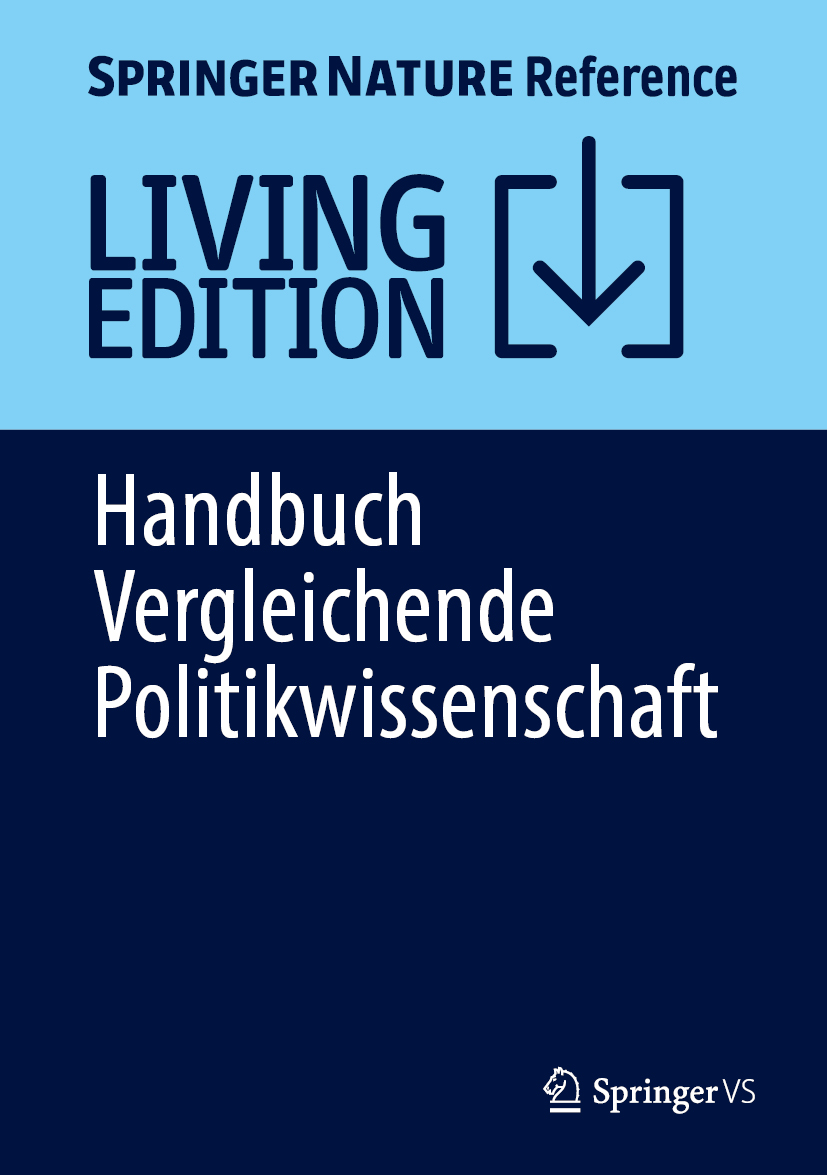
The analysis in comparative politics focuses on nation-states and national political actors. Today, however, most political systems consist of different levels at which political issues are coordinated and negotiated. Multi-level systems have thus become an important type of political system, making a multi-level perspective necessary in comparative politics as well. Against this backdrop, this paper aims to explain governance—or political action in general—in multilevel systems. We describe these multilevel analyses by examining the behavior of political parties and their voters in two sequential steps, first from a subnational perspective and then from a supranational perspective. We first provide a theoretical explanation of the subnational and supranational perspectives, and then offer insights into current research from the subnational perspective (focusing on parties, party competition, and coalition formation) and from the supranational perspective (focusing on the population, parties, and party competition).

New Publication: Mapping party competition on gender-related issues in Europe
Gender-related issues have become increasingly contentious in European politics, but comparative research on how parties address them remains limited. Existing studies have generally focused on particular countries or issue areas, while systematic evidence on the attention parties devote to gender-related issues and the positions they express across countries and over time remains scarce. This article examines the prominence of and party stances on gender-related issues in European national election manifestos. We use manually annotated manifesto data from Denmark, Germany, Hungary, Spain, Switzerland, and the United Kingdom between 2003 and 2021 to develop a fine-grained coding scheme and train computational models. We then combine supervised transformer-based topic classification with zero-shot stance classification to extend the analysis to 511 parties in 29 European countries between 1961 and 2025.

Djamila Jabra on a research exchange in Uppsala
The relatively young field of “peace and conflict studies” addresses key issues in a world marked by unrest. As part of Prof. Dr. Daniela Braun’s department, Djamila Jabra, M.A., focuses her research on foreign and security policy, (violent) climate and resource conflicts, theories of international relations, as well as terrorism research and counterterrorism. She is a visiting doctoral student at Uppsala University in Sweden’s Institute for Peace and Conflict Research for a two-month research exchange.

First prize from the Fritz Thyssen Foundation awarded to Prof. Dr. Daniela Braun and Dr. Giuseppe Carteny
Prof. Dr. Daniela Braun and Dr. Giuseppe Carteny have been awarded the first prize from the Fritz Thyssen Foundation for social science articles published in 2025. The prize, worth 3,000 euros, recognizes outstanding contributions published in German-language social science journals. It has been awarded since 1981 and is the only journal prize of its kind in the social sciences outside of the English-speaking world.
The award honors their contribution on the influence of Eurosceptic parties on political competition in Europe. In their article “How Does Eurosceptic Party Consolidation Transform Party Competition Over European Issues?”, published in the Politische Vierteljahresschrift, Braun and Carteny examine how the rise and growing establishment of Eurosceptic parties are changing the competition among established parties on European policy issues. Their analysis is based on data from the European elections from 1979 to 2019.
Publication of the documents of the Euromanifesto project
The aim of the Euromanifesto project was to collect and analyze the Euromanifestos (party programs) of all relevant political parties and European groups from all EU member states that participate in European Parliament elections. The analysis of election programs aims to measure the political positions and issue priorities of political parties by means of a uniform analytical framework. Party manifestos set out the political ideas and goals of the parties. They are authoritative publications and represent the positions of the entire party and not just those of one faction or individual politicians. Although few voters actually read party manifestos, their contents are usually disseminated through the mass media. Consequently, they are a reliable medium for identifying the core positions of political parties.
The collection covers documents from 233 of the 268 electoral lists that participated in the 2024 European Parliament elections, across 25 EU countries, representing on average more than 92% of valid votes in the countries covered. The corpus includes full election manifestos as well as shorter electoral programmes and, where no comparable programme was available, other relevant campaign material. Alongside the original documents, we provide information on parties and electoral lists, document type and source, vote shares, and other metadata useful for preliminary analysis.

Studentische Hilfskraft gesucht
6-8 Wochenstunden ab 15.09.2026
Unser Lehrstuhl sucht zur Unterstützung in den Bereichen Öffentlichkeitsarbeit und administrative Tätigkeiten eine Studentische Hilfskraft, die uns mit 6-8 Wochenstunden unterstützt. Wir freuen uns bis zum15.08.2026 auf Ihre Bewerbung (Lebenslauf und Motivationsanschreiben in einer Datei, max. 2 Seiten) per E-Mail an (Frau) vinciane.pilz@uni-saarland.de.

SOUNDS kick-off event on 02.09.2026
We are delighted to invite you to the kick-off event of SOUNDS, the University of the Saarland’s new research and transformation project, taking place on 2 September 2026 at the Innovation Center on the Saarbrücken campus. SOUNDS is an interdisciplinary research and transformation project at the intersection of computer science and the social sciences. Using innovative data sources from digital public spheres, online platforms, and media discourse, we investigate societal transformation processes and develop evidence-based insights for policymakers, the media, businesses, and civil society. At its core, the project explores how digital spaces can be shaped in ways that are democratic, responsible, and human-centered.
For more information, please see the latest article from the UdS intranet.
The kick-off event offers an opportunity to meet the people behind SOUNDS: researchers from a wide range of disciplines as well as practitioners from government, industry, and civil society. The keynote speeches by Prof. Dr. Melanie Revilla, “Looking Back, Moving Forward: Lessons Learned from an ERC Journey,” and Prof. Dr. Christina Elmer, “Data in the Service of Society,” will provide inspiring perspectives. Interactive dialogue sessions and dedicated networking opportunities will give you the chance to contribute your own ideas and engage with fellow participants. Those who wish are invited to round off the day at SOUNDS Beats, an informal evening gathering.
ActEU in the "Success Stories" blog series of the European Commission
The ActEU project was presented in the “Success Stories” blog series of the European Commission:
It’s often said that trust in politicians, politics and the legitimacy of institutions is broken, but does the evidence support this? The EU-funded ActEU project mapped Europeans’ political attitudes, behaviour and feelings of representation to uncover a complex picture of political engagement. These insights are helping to build and maintain trust between citizens and policymakers.
Student assistant job opening
The Chair of Political Science with a focus on European Integration and International Relations (Prof. Dr. Daniela Braun) has a vacancy for a student assistant (without BA) or research assistant (with BA) for 8 hours per week, starting on 1 September 2026.
Tasks and activities:
- Maintaining the chair's website and social media profiles
- Assisting with the planning, preparation, and execution of events
- Assisting with administrative tasks
- Assisting with (social science) research activities
SOUNDS at the GESIS Institute Day
GESIS, the Leibniz Institute for Social Sciences, recently celebrated its 40th birthday. This year’s institute day was held under the motto “The Impact of Data”. In event's keynote Prof Dr Daniela Braun and Prof Dr Ingmar Weber presented the Societal Observatory Using Novel Data Sources (SOUNDS), which harnesses innovative data sources to systematically study societal transformations. SOUNDS bridges computer science and social sciences to advance research methodologies that leverage unconventional data such as social media analytics, satellite imagery, and web search trends. By combining Saarland University's expertise in informatics with insights from social science research, SOUNDS aims to become a central hub for innovative, empirical studies addressing contemporary societal challenges. Ultimately, SOUNDS seeks to inform decision-making, foster public engagement, and support democratic resilience, positioning itself as both a research powerhouse and a think-and-do tank dedicated to solving real-world societal issues.
New publication: "Mehrebenenanalyse in der Vergleichenden Politikwissenschaft"
by Daniela Braun & Martin Gross
Abstract: Comparative politics traditionally focuses on nation-states and national political actors. However, most contemporary political systems comprise multiple levels where political agendas are coordinated and negotiated. Multi-level systems have thus emerged as a significant type of political system, necessitating a multi-level perspective within comparative politics. Against this backdrop, this article aims to explain governance—and political action more broadly—within multi-level systems. We examine these multi-level dynamics by analyzing the behavior of parties and voters in two sequential steps, adopting first a subnational and then a supranational perspective. We begin by outlining the theoretical underpinnings of both the subnational and supranational viewpoints; subsequently, we provide an overview of current research from these perspectives—focusing on parties, party competition, and coalition formation at the subnational level, and on the electorate, parties, and party competition at the supranational level.
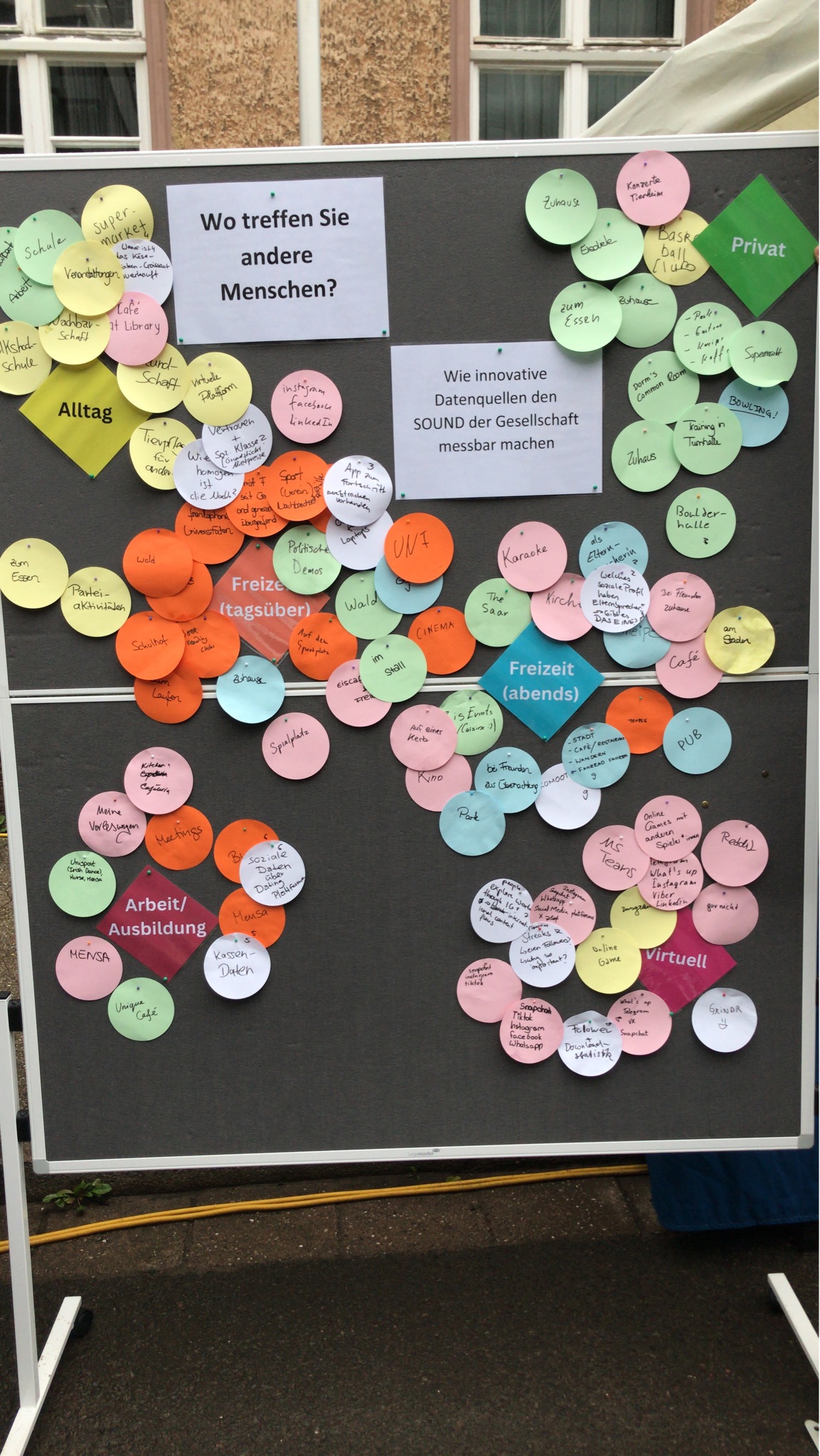
The Chair at the Campus Day
How can we make the sound of our society measurable? To answer this question, we used an interactive survey to ask visitors at the 2026 Open Campus Day: “Where do you meet other people?” The results show that - whether at work, in daily life, during leisure time, in the evening, or virtually - people enjoy meeting in a wide variety of places, but above all in locations where public life unfolds. These places form a vital foundation for democracy, for democracy takes place wherever people meet and exchange ideas. These encounters reflect the collective mood - the sound of society. And that is precisely what we aim to measure: using the Democracy Barometer.

The chair at the Dreiländertagung
The joint tri-national conference Dreiländertagung of the German Political Science Association (DVPW), the Austrian Political Science Association (ÖGPW), and the Swiss Political Science Association (SVPW/ASSP) is titled “Europe’s Future – The Future of Europe: Internal Tensions and External Challenges”. At the conference, Prof Dr Daniela Braun will give a presentation titled "The conflict-participation paradox in European Union politics," chair the panel "European Identity and Democracy," and serve as a mentor for a workshop on securing third-party funding. Djamila Jabra will present a paper titled "Do European political parties emphasize climate security in their electoral programs?"
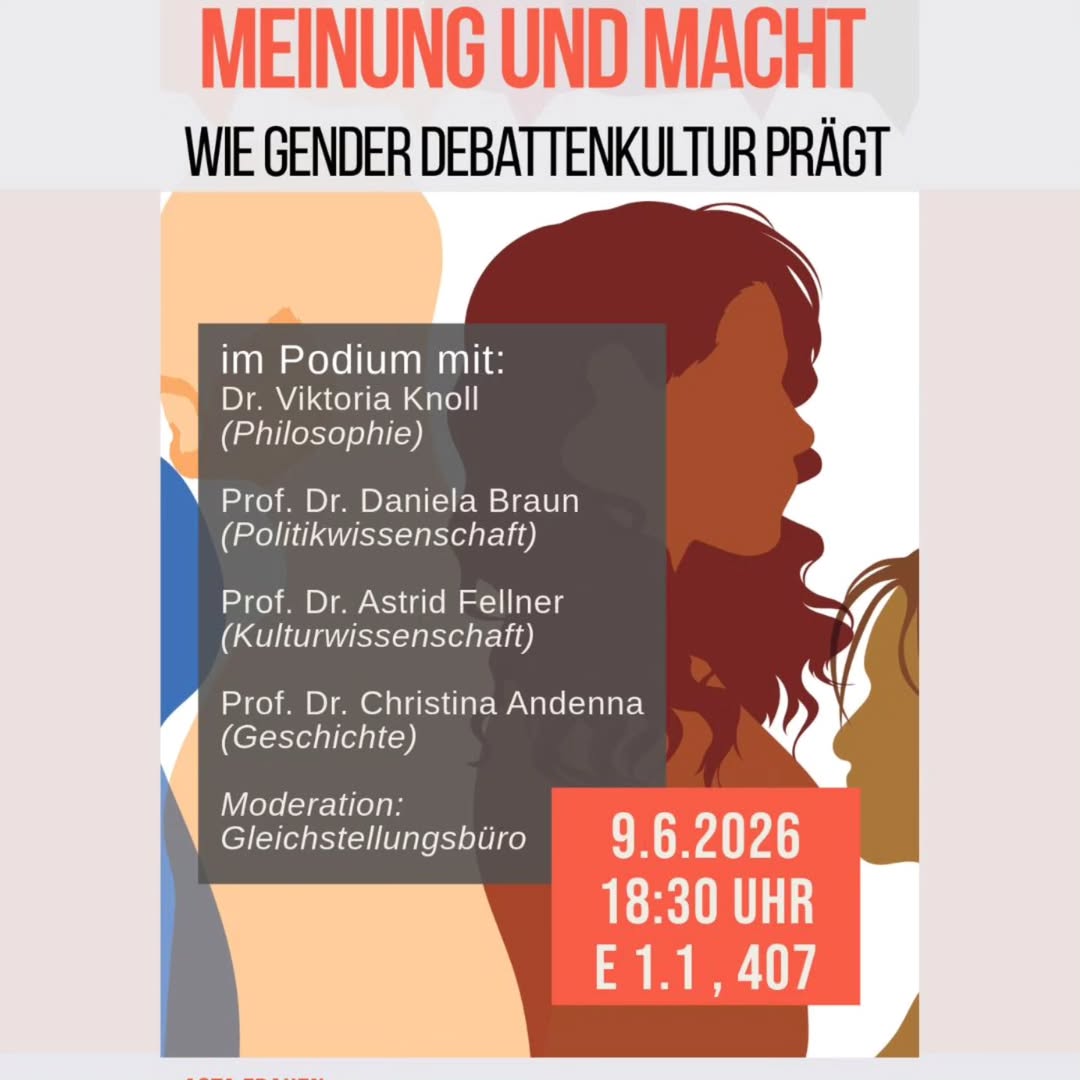
Panel discussion with Prof Dr Daniela Braun on gender and the culture of debate
Date: June 9, 2026
Time: 6:30 PM
Location: Building E1 1, Room 407
In public spaces, it is common to observe debates escalating or participants talking past one another. This is particularly evident in debates touching upon the topic of gender. The reasons for this are manifold: populist simplifications, an insistence on one’s own position, limited perspectives, and personal aversions or disparagement directed at the other party.
This event addresses this issue—not with the aim of providing a comprehensive analysis of these dynamics, but rather to learn how spaces for discourse can be shaped differently. To this end, we take a focused look at specific academic disciplines: we ask how discussions should be contextualized within academia, which methods can be fruitfully applied to everyday discourse, and where academic discourse itself reaches its limits. The topic of gender is approached from various perspectives: as a subject of research debated within the academic community, and as a societal dimension that influences which voices are heard and which are not.
The evening will be hosted by Nicole Scharf and Ronja Hildebrandt from the Equal Opportunities Office. Together with Prof Dr Cristina Andenna, Prof Dr Daniela Braun, Prof Dr Astrid M. Fellner, and Dr Viktoria Knoll from Saarland University, they will facilitate a discussion that invites audience participation and questions. Afterwards, we invite you to the rooftop terrace, where there will be time to chat over cool drinks and wind down the evening together.
Talk series: "Politics in Europe"
Date: 9 June 2026
Time: 4.30–6.00 pm
Venue: Building B3 1, Lecture Theatre II
Prof Dr Colette Vogeler is Professor of Comparative Public Administration and Policy Analysis at the German University of Administrative Sciences Speyer. Her lecture is entitled “Policy Dynamics and Political Deadlock: The Stalled Transformation of the EU’s Farm Animal Welfare Policymaking”.
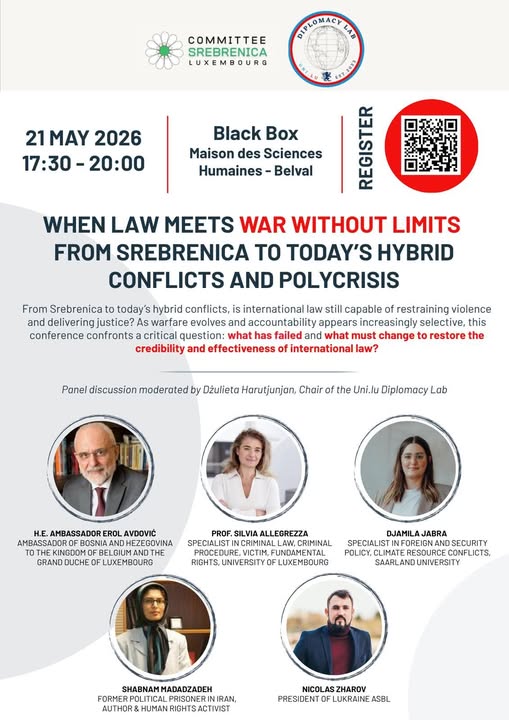
Panel discussion in Luxembourg with Djamila Jabra
When law meets war without limits - does international law fail in ensuring compliance and accountability? We live in a time of overlapping crises: armed conflicts that blur borders, hybrid warfare, growing geopolitical tension, and shrinking space for accountability. In this context, international law is being stretched and tested more than ever. The UNI.LU Diplomacy Lab and the Srebrenica Committee Luxembourg host a panel debate on international law in times of conflict: “When Law Meets War Without Limits: From Srebrenica to Today’s Hybrid Conflicts and Polycrisis” on 21 May 2026 from 17:30 to 20:00 at Black Box, Maison des Sciences Humaines – Belval
This discussion will bring together voices from diplomacy, law, policy, and lived experience to reflect on a difficult but urgent question: what happens when accountability becomes selective and the enforcement of international law uneven? The guest speakers are:
- Dr Ensar Muharemović - Political Scientist specializing in comparative politics, political discourse, and post-conflict governance, ESILUX
- Prof. Silvia Allegrezza - Criminal Law & Fundamental Rights, University of Luxembourg
- Djamila Jabra - Foreign & Security Policy / Climate Conflicts, Saarland University
- Shabnam Madadzadeh - Former Political Prisoner in Iran, Author & Human Rights Activist
- Nicolas Zharov - President of LUkraine ASBL
Moderated by Dżulieta Harutjunjan, Chair of the Uni.lu Diplomacy Lab
New publication: "Sources of (Dis-)Identification with Europe: A Q-Methodological Approach"
Philipp König, Whitney Agunyego & J. Christopher Cohrs
Abstract: Although attachment to Europe has been widely studied, less is known about the motivations underlying identification and disidentification. This article addresses this gap by uncovering these dynamics through an illustrative study in Germany. We argue that the meaning of “Europe” varies among individuals and different aspects of Europe have different influences on (dis-)identification. In a Q-methodological online study, 80 German participants were asked to sort different aspects of Europe according to their perceived strengthening vs. weakening influence on attachment which were complemented by post-sorting interviews. Four perspectives on European (dis-)identification were revealed: (1) Cultural–utilitarian attachment centered on travel, leisure, and cultural exchange, with criticism of EU policies (EU-opportunistic), (2) achievement-based attachment focused on economic and scientific performance, with exclusionary views on belonging (EU-centric), (3) values-driven attachment emphasizing democracy, human rights, and inclusivity, alongside critique of inequality and bureaucracy (EU-values), and (4) unity-oriented attachment stressing internal solidarity and shared values, paired with exclusionary attitudes toward outsiders (EU-unity). The findings suggest the presence of different images of Europe, in which various reasons for attachment are weighed against one another when individuals think about their European identity. Therefore, different theories of (dis-)identification might show differential validity for different groups of individuals
New publication: "Tweeting through the glass ceiling? Twitter usage and candidates’ biological sex in the 2019 European Parliament election campaign"
by Daniela Braun, Rosa Navarrete & Eva-Marie Euchner
Abstract: Scholarly research shows that the usage of social media in election campaigns produces similar gender imbalances compared to pre-digital times. A systematic comparative approach for a larger set of (European) countries, however, is still lacking. We contribute to filling this gap by studying how politicians all over Europe used Twitter in the 2019 election campaigns to the European Parliament (EP) and ask the following research questions: Do female and male candidates differ in their Twitter usage during campaigning, and if so, in which manner? And how can we explain such a deviating Twitter usage? Our study follows a predominantly quantitative approach, informed by qualitative interview data, and draws on Twitter data linked with individual-, party- and country-level contextual information. Our findings show that female candidates are less present on Twitter than their male counterparts, but both are equally active during the campaign. While biological sex does not significantly influence how frequently candidates post on Twitter, other campaign-related factors – such as incumbency and list placement – do. Our findings are insightful for both gender research as well as the impact of social media on political behaviour.
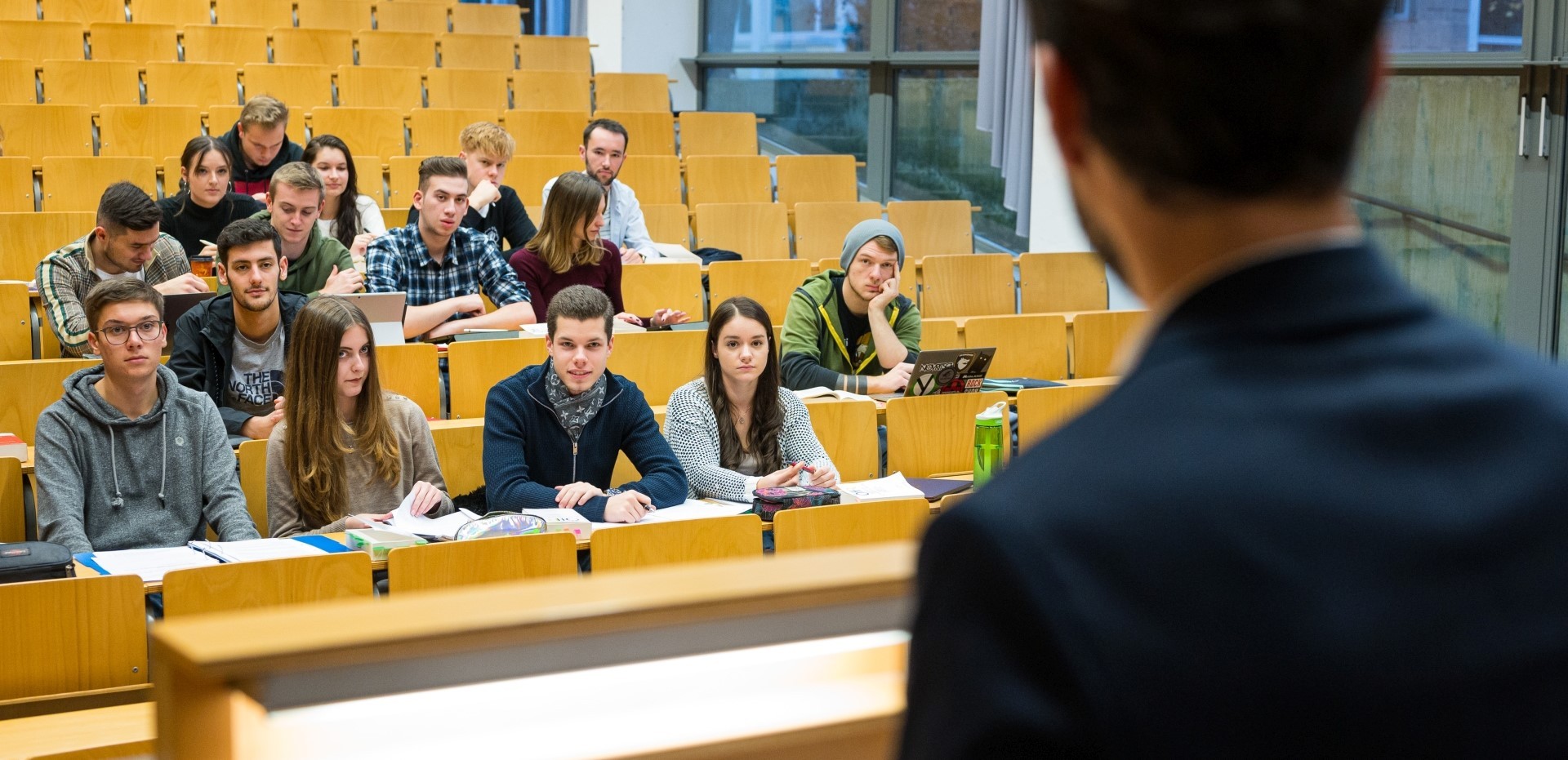
Information session for Master's degree programs that can be followed by a Bachelor's degree in European Studies
European Studies is a diverse field with individual career paths. With a Bachelor's degree in European Studies, and also with a subsequent Master's degree, graduates have access to professional opportunities in various fields. Marketing, journalism and public relations, as well as the management and coordination of projects and events, are areas in which many graduates find employment.
Direct entry after completing a Bachelor's degree in European Studies is also possible at Saarland University in some interdisciplinary Master's programs or within specific disciplines. An information session on all these options will be held on Thursday, May 7, 2026, at 4 p.m. in Building B3 1, Lecture Hall II.

Profile of Prof. Dr. Daniela Braun in the CEUS newsletter
Daniela Braun has been Professor of Political Science with a focus on European Integration and International Relations at Saarland University since 2022 and is a Cluster Professor at CEUS. Anyone studying European democracy will inevitably encounter her research: Daniela Braun publishes regularly in leading academic journals, speaks at international conferences, and contributes her research to public debates, for example, through numerous media articles or, most recently, a TEDx Talk on the future of democratic participation.

Presentations at the Open Day
On 21 April, Prof. Daniela Braun gave a talk entitled “European Politics Under Pressure” at Saarland University’s Open Day, in which she addressed criticism of the EU and presented findings from the ActEU project. Following this, she introduced interested pupils to the Bachelor’s and Master’s degree programmes in European Studies and the Franco-German double degree in “European and International Politics”. The lectures were very well attended.

New publication: "Struktur- und Regionalpolitik"
European regional and structural policy is one of the European Union's (EU) key expenditure items. Approximately one-third of the EU's total budget is allocated to supporting regions within the Union and addressing existing structural deficits. The overarching goal is the economic, social, and political cohesion of the EU. Various funds are used to reduce development disparities between member states and between regions within them. This article provides an overview of the development and objectives of this funding instrument, as well as its specific procedures, principles, and funding logic. Finally, we discuss the evaluation of this funding instrument and proposed future development steps.

Job advertisement: Teamlead Data Development Pool SOUNDS (m/w/d)
We are seeking a team lead for the SOUNDS data development pool (E14 TV-L, 100%, until July 2032, Saarland University). The application deadline is May 2, 2026.
What is SOUNDS?
SOUNDS stands for Societal Observatory Using Novel Data Sources – an interdisciplinary research program at Saarland University that investigates societal transformation processes using massive amounts of digital data and AI/ML methods. The program works with data sources that have so far been scarcely explored systematically in social research: social media streams, mobility data, satellite images, and transaction data. The goal is to combine methods from computer science with the questions posed by political science, sociology, and macroeconomics – with the long-term aim of establishing an independent institute.
Why is this position relevant to our network?
The Team Lead for the Data Development Pool is a classic interface role: technically demanding (data pipelines, data lakes, cloud architectures, streaming technologies), but embedded in a highly interdisciplinary scientific environment. We are looking for someone with several years of experience in data engineering and initial leadership experience – as well as the ability to work collaboratively with researchers from diverse disciplines. If you know any candidates in science management who work at or are looking to move into the interface between technology and science, this is the perfect opportunity.
Key Facts
- E14 TV-L, 100%, fixed-term contract until July 15, 2032, with the option to extend
- Application deadline: May 2, 2026
- Interviews: May 19, 2026, on-site in Saarbrücken
- Application: bewerbung@uni-saarland.de, reference number N2302

New blog post: "Towards a new era of representative democracy: The ActEU legacy in one book"
Over the past years, Der (europäische) Föderalist has accompanied the ActEU project as a recurring point of reference for debates on the state of democracy in Europe. ActEU researchers – a consortium of twelve European partner institutions – investigated political trust and legitimacy in Europe, focusing on citizen attitudes, participation, and the representation of policy preferences. Their overall aim was to map persistent problems of declining trust in the EU’s multi-level governance system and develop a toolbox of remedial actions for policymakers, civil society, and the educational sector to enhance political trust.
Across multiple contributions in this blog, ActEU researchers have invited us to look beyond headline indicators of democratic decline and to ask more fine‑grained questions about trust, legitimacy and representation in Europe’s multi‑level political system. This has included analysis of trust and economic deprivation, trust and local government, polarisation and climate protests, representation, and the 2024 European Parliament elections, as well as details of the project’s youth outreach activities.

Presentation of the European Studies programme: Politics – Law – Society at the Campus Day
On Saarland University’s Open Day on 21 April, the Cluster for European Studies (CEUS) will be running an information stand for the Bachelor’s degree in European Studies in the foyer of Building B4 1 from 8 am to 3 pm. If you’re looking to study a diverse and forward-looking subject and have an interest in international issues from an interdisciplinary perspective, the Bachelor’s degree in European Studies is the right choice for you.
In addition, a lecture by Prof. Dr. Daniela Braun entitled “European Politics Under Pressure” will take place at 11:00 am in Building B4 1, Room 0.05. This will be followed at 11:30 am by a presentation on the structure and content of the degree programme, the available specialisations, and potential career opportunities. Afterwards, there will be an opportunity to ask questions about the degree programme and the specialisation subjects on offer.
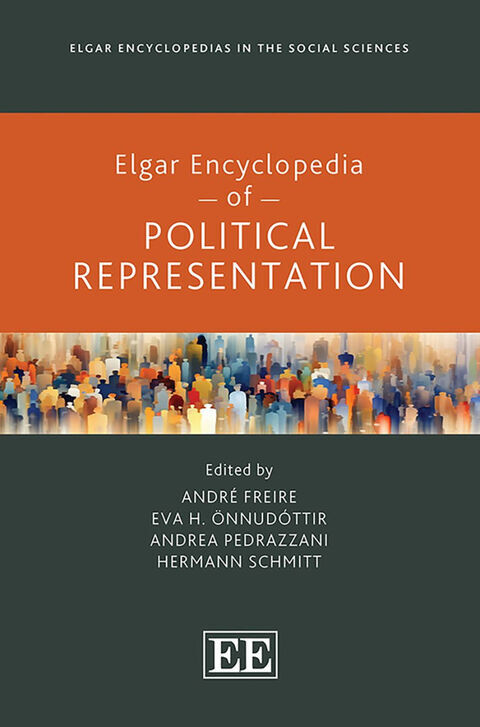
New publication: Party manifestos and political representation
This authoritative Encyclopedia provides a comprehensive overview of political representation, with a particular emphasis on contemporary liberal democratic regimes. Presenting concise entries authored by leading scholars, it traces the historical origins of political representation, exploring key thinkers, pivotal studies, and significant theoretical developments that have shaped modern understanding of this topic.
The entry by Prof Dr Daniela Braun and Dr Giuseppe Carteny aims to describe the role of party manifestos for political representation. The main questions to be dealt with are the following: 1) What is a party manifesto and what role does it play for political representation? 2) How do political scientists use party manifestos in their research to map political representation?

Online Q&A session on the Master’s programme in Spaces, Politics and Societies of Europe
Are you thinking of applying for our Master’s programme in Spaces, Politics and Societies of Europe? In our interactive online Q&A sessions, lecturers, students and academic advisers discuss the course content, entry requirements and career prospects. Ask your questions – whether they’re about the programme, module content or the application process!
20. April 2026, 12:00 on Teams
Meeting ID: 393 921 853 034 17
Passcode: 7K2ak6Xz
18. May 2026, 12:00 on Teams
Meeting ID: 328 385 479 089 71
Passcode: 6jb7Mj6x
Job offer: Postdoctoral Researcher for the SOUNDS project
The political and social science research program of the Chair of European Integration and International Relations within the SOUNDS transformation programme is inviting applications for the following position commencing at the earliest opportunity: Academic Postdoctoral Researcher for Computational Social Sciences (m/f/x)
As a Postdoctoral Researcher, you will be part of the SOUNDS project at Professor Braun’s chair and conduct research at the intersection of Political Science and Computational Social Sciences (CSS).
New book: "Activating European Citizens’ Trust in Times of Crisis and Polarization"
Springer Nature has published a book summarising the results of the ActEU project as part of its “The Future of Europe” series:
This open access book explains why representative democracies need political trust and legitimacy: Political trust is a crucial yet underestimated element in Europe’s representative democracies. A trusting relationship between citizens and the institutions of the state ensures the functioning of democratic systems, reduces transaction costs and facilitates the justification of political decisions. Without the commitment of a critical mass, democratic governments cannot gain legitimacy among the populace. While a stable relationship of trust between citizens and the state through political parties is a prerequisite for representative democracies in normal times, it is even more important in times of significant democratic change and turmoil, i.e., when democracies are in flux. Accordingly, the contributions gathered here examine political trust and legitimacy in Europe using a new conceptual framework – the ActEU conceptual triangle, which draws on citizens’ political attitudes, their political participation, and the representation of their political preferences to map and assess the decline of political trust and legitimacy in Europe.
Towards a European ‘demos’ in politicized times? Supranational drivers of voter turnout in the 2019 and 2024 European elections
On 17. March Prof Dr Braun held a lecture at the Amsterdam Centre for European Studies. Her talk examines how the politicisation of European integration influences electoral participation and what this reveals about the emergence of a European political community.
Abstract: Following a period of increased politicisation and contestation within the European Union (EU), the most recent European Parliament (EP) elections were accompanied by higher voter turnout. In line with this growing interest in EU-level political participation, scholarly literature illustrates that, despite the second-order nature of European elections still being prevalent, more recent rounds have been indeed more European contests. Accordingly, the politicisation of European integration seems to be showing its consequences at the electoral level. However, the exact mechanisms at play here remain an open empirical question. Does the politicisation of European integration directly increase turnout? Or is the mobilisation effect moderated by how citizens perceive EU politics? Against this backdrop, our main objective is to analyse the complex relationship between the politicisation of European integration and electoral participation in the context of the 2019 and 2024 EP elections. To address this issue, we use data from the 2019 and 2024 Eurobarometer post-electoral survey for the 27 EU member states. Our findings show that politicisation does not matter directly for electoral participation but via citizens’ political Europeanness. Accordingly, we can observe signs for a European ‘demos’ in these politicized times.
Student assistant job opening
The Chair of Political Science with a focus on European Integration and International Relations (Prof. Dr. Daniela Braun) has a vacancy for a student assistant (without BA) or research assistant (with BA) for 6 hours per week, starting on 1 May/15 May 2026.
Tasks and activities:
- Support with (social science) research activities
- Support with lesson preparation
- Creating and proofreading texts and presentations
- Communication with students
- Support with preparing and conducting events
- Depending on your profile and your own preferences (to be clarified in the interview): Involvement in political science data analysis tasks using MS Excel, R or Stata (evaluation of survey data, manifesto data, etc.)
New publication: "Party Competition and Voter Attitudes in German Border Regions: Evidence From Local VAAs"
by Daniela Braun, Elisa Deiss-Helbig, Theresa Gessler, Jochen Müller, Julia Wagner & Georg Wenzelburger
When studying questions of European democracy, research is still very much focused on national political actors. This can be partly explained by the fact that data on political parties’ positions toward Europe and citizens’ attitudes have been mainly collected at the national level, and because sample sizes at the regional or local levels are too small. However, political parties compete about issues related to Europe on different levels—and especially so in European border regions where the local level coincides even more strongly with the EU level. For the particular case of such inner-EU border regions, home to around one third of EU citizens, little is known about patterns of party competition and citizens’ specific demands and preferences. This study addresses this gap, using innovative data from the voting advice application VOTO, specifically designed for local elections held in Germany in 2024. Focusing on four German border regions—two on the Eastern and two on the Western border—it provides new insights into how European democracy works at the local level by examining political parties’ positions and citizens’ political preferences. In particular, the study investigates the extent to which border-specific features and party cues shape voters’ perspectives on cross-border cooperation and European integration. Our findings speak not only to insights from qualitative case studies, which tell us that citizens living in such border regions have specific preferences in terms of saliency and positions, but also to quantitative research studying Euroscepticism in European border regions.

18th Early Career Conference on International Relations
The Early Career Group of the International Relations Section of the German Political Science Association (DVPW) is hosting the 18th Early Career Conference on International Relations at the Academy for Political Education in Tutzing from 25 to 27 February 2026 under the motto "Theories and Problem Areas of International Politics". Djamila Jabra, as part of the Early Career Team, helped organise the conference and will chair two panels.
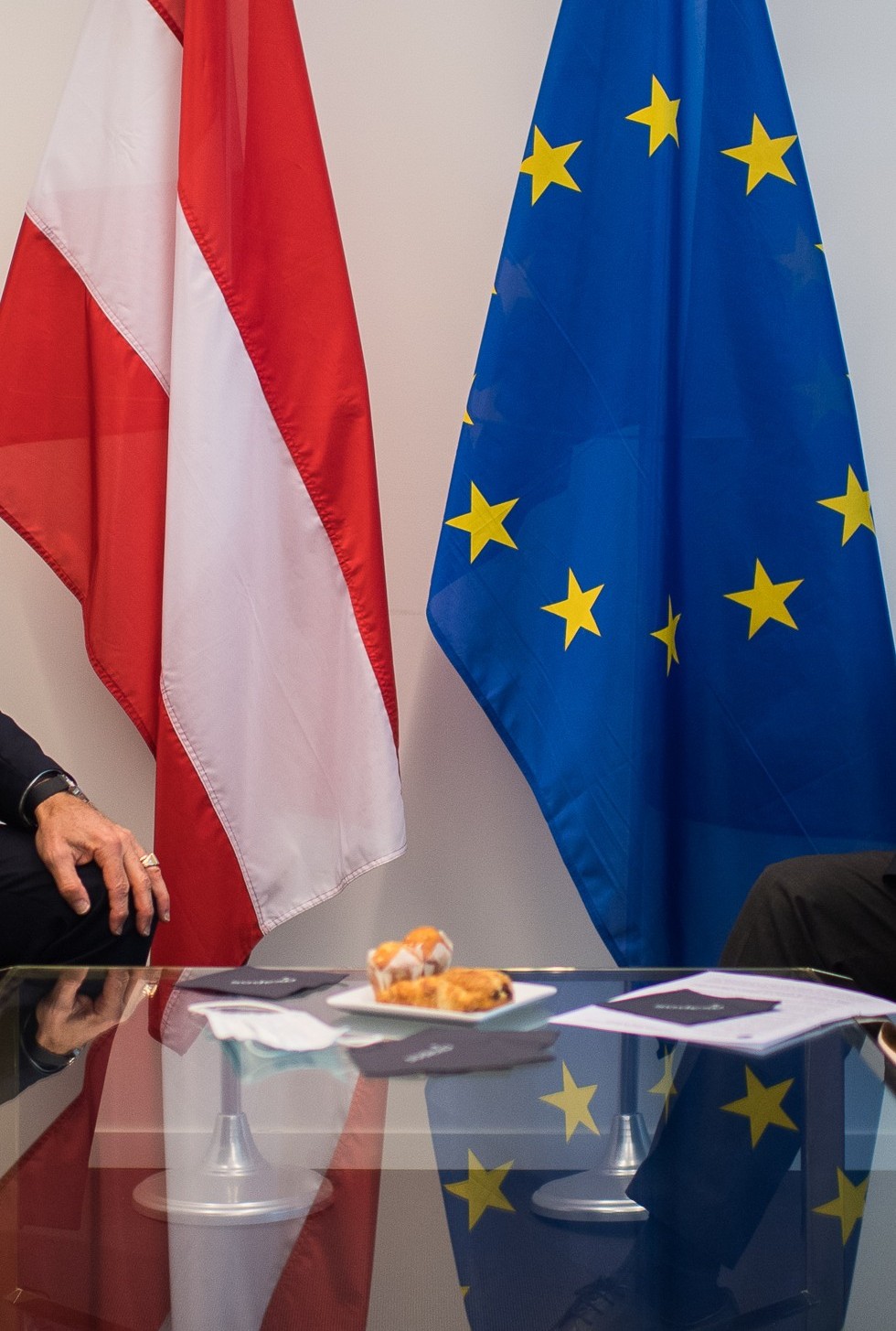
From seats to sentiments: What Austria teaches us about trust and representation in a multi-level Europe
Austria offers a revealing paradox that resonates well beyond its borders. The country’s parliament has become more inclusive, with growing diversity among its members and increased attention to equality issues in parliamentary work. Still, some citizens feel under-represented and express only moderate levels of trust in core political institutions.
In this short article, we discuss citizens’ objective representation (descriptive and substantive) along with their subjective experience of representation and their levels of trust in representative institutions. While it might be expected that these three aspects are all closely linked together, our actual findings are more complex. Understanding how citizens’ experience of being represented connects (or fails to connect) to their trust in democratic institutions can shed light on the links between inclusion, responsiveness, and perceived fairness across levels of governance.

How does ActEU collect data on public trust? An animated explanatory video
How can we measure political trust and legitimacy beyond the usual survey question “how much trust do you have in the parliament?”. Measuring political trust is no easy task, and answers based on surveys do not show us the complete picture. If we further consider that political trust is multilayered – at the local, national, and EU level – making a clear investigation becomes even more complicated.
This Animated Video, created in collaboration with the ActEU project, explores how researchers have explored political trust and legitimacy in Europe, creating one of the largest ever collections of European political communications through web-scraping. The video is based on the “Codebook and datasets on the ActEU web-scraped data”, written by Daniel Gayo-Avello, Alex Hartland, Daniela Braun, Cristian Gonzalez Garcia, Benjamin Lopez Perez, Laura Morales, Max-Valentin Robert, Giulia Sandri, Camille Kelbel, Felix-Christopher von Nostitz, Emanuele Massetti, Oscar Barbera Areste, Ramon Villaplana Jimenez, and Carles Pamies.

Job advertisement: Research assistant and outreach and third mission officer with a focus on science communication at SOUNDS (m/f/d)
The Outreach and Third Mission Officer for Science Communication supports both the scientific project management and the executive management with regard to communication and visibility for SOUNDS. Specifically, he or she is responsible for the target group-oriented preparation and processing of scientific content and results, thereby contributing significantly to the dissemination of SOUNDS and the initiation of collaborations. The advisor also works together with the Outreach and Third Mission Advisor for stakeholder and partner management. The Science Communication Advisor also conducts their own scientific research as a research assistant in the field of Computational Social Sciences/Societal Computing in coordination with the scientific project management.

Report on SOUNDS in Die Zeit
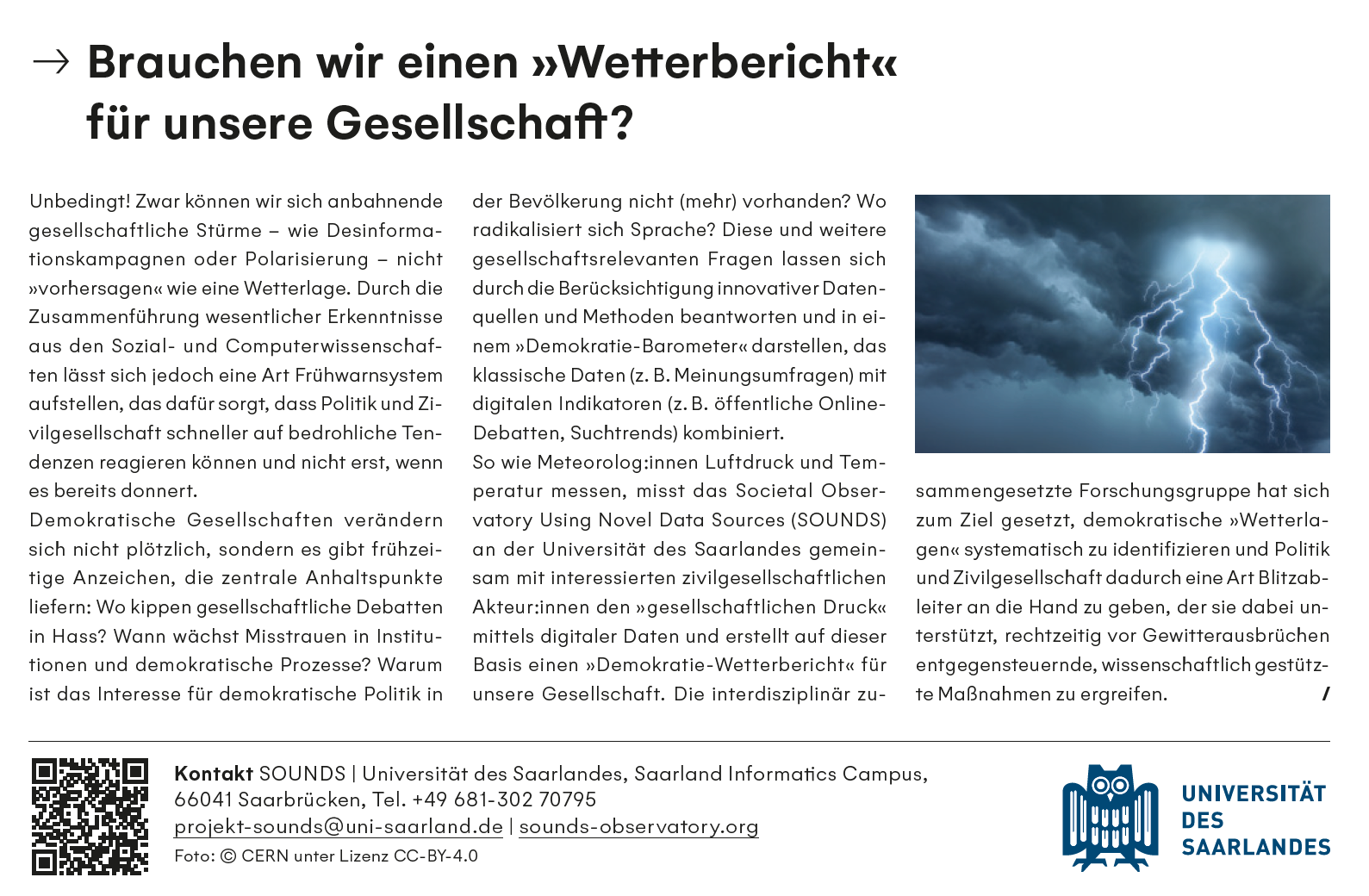
To mark the journal's 80th anniversary, ‘Die ZEIT’ is publishing a special science issue. ‘Do we need a weather report for our society?’. The answer is provided by the SOUNDS project, initiated by Prof Dr Daniela Braun and Prof Dr Ingmar Weber at Saarland University, and funded by the Saarland Ministry of Finance and Science from the Transformation Fund. It is intended to help develop a kind of early warning system - a democracy barometer - to monitor the mood within our society. To achieve this, it combines interdisciplinary social and computer science approaches. It analyses social transformation processes using innovative data sources such as satellite images, social media and barcode scanners. The aim is to link computer and social sciences and strengthen the use of data-intensive methods. In the long term, the aim is to create an institute based on the structures that have been established.
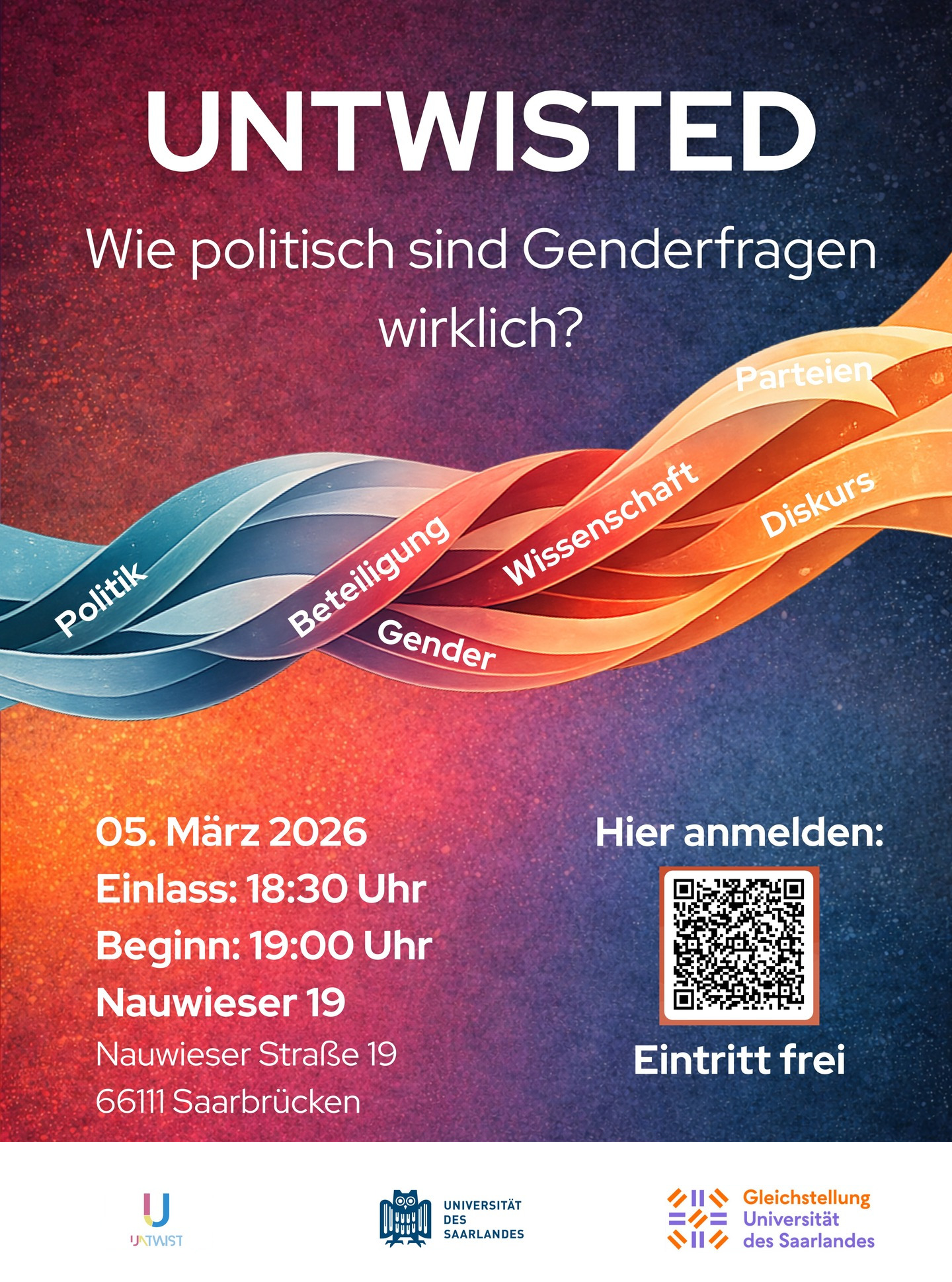
Panel discussion: „Wie politisch sind Genderfragen wirklich?“
The University's Equal Opportunities Office and researchers from the UNTWIST project invite you to a socio-political soirée – on the occasion of International Women's Day, we ask: How political are gender issues really?
The UNTWIST research group led by Prof. Dr. Daniela Braun is dedicated to investigating the connection between gender and changing voting preferences in favour of right-wing populist parties. The results and recommendations for action for political parties in Germany will be presented during a panel discussion and discussed with input from the audience: Who feels politically represented – and who does not?
When? 5 March, doors open at 6:30 p.m., start at 7:00 p.m.
Where? Nauwieser Straße 19, Room N.N., 66111 Saarbrücken

New job offer: Postdoc Researcher positions (f/m/x) for Societal Computing
This position is a joint appointment between SOUNDS and the Societal Computing Group, reflecting the close scientific and strategic collaboration between both initiatives. The successful candidate will contribute to and shape research across both environments, benefiting from their complementary strengths in data-intensive, interdisciplinary research and international engagement. The joint nature of the position offers a unique opportunity to work at the interface of computer science and the social sciences, contribute to long-term institution-building efforts, and translate scientific insights into real-world societal and policy impact.
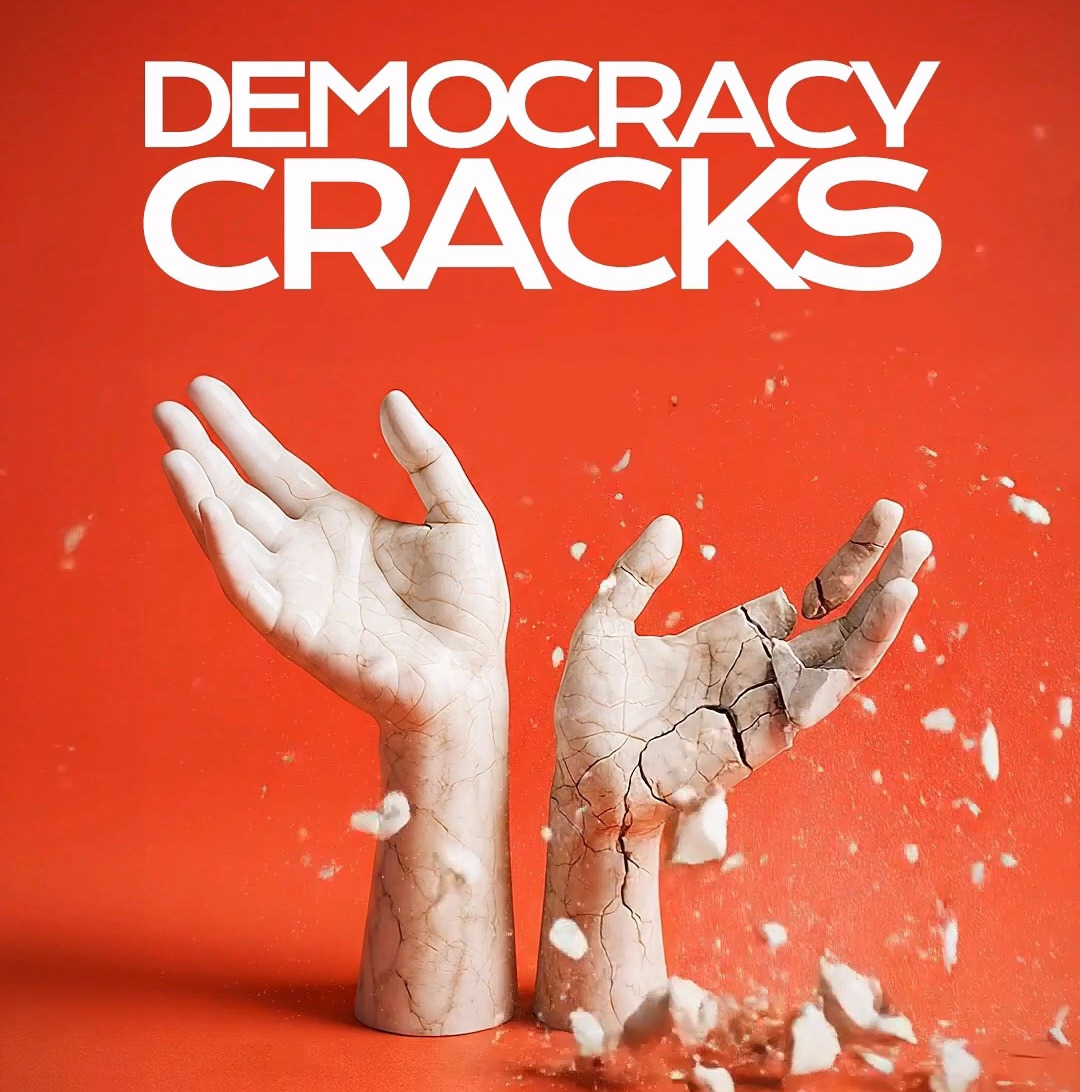
Democracy Cracks: A podcast about trust, polarisation and the future of democracy
Democracy Cracks is a six-episode podcast mini-series exploring the cracks in our democratic systems, from weakening trust to widening social divides, through storytelling, research, and thoughtful conversations.
Produced as part of ActEU, a Horizon Europe research project looking at trust, participation, and how democracy is changing in Europe, the series brings in science and stories to help answer a central question: is democracy breaking or breaking through?

New project: "Total Annotation Variation: An Integrative Framework for the Analysis and Evaluation of Human Annotation"
Dr Giuseppe Carteny's research proposal was convincing. His project, “Total Annotation Variation: An integrative framework for the analysis and evaluation of human annotation”, is being funded by the ME Saar Foundation and the Research Committee of Saarland University. The project will run until 2026.
This project will examine human annotation as a central component of systems operating at the intersection of natural language processing, machine learning, and artificial intelligence. It will be designed as a focused, foundational investigation and as the starting point for a larger, externally funded research programme. The core objective will be to synthesise existing conceptual and empirical work on human annotation and to integrate these insights into a coherent theoretical and analytical framework.
To this end, the project will develop a framework for “Total Annotation Variation”, drawing on Groves’ tradition of “Total Survey Error” and insights from survey methodology. The framework will explicitly capture both sides of the annotation process. On the one hand, it will account for variation and error arising from the annotation task and the characteristics of the text (e.g. topic identification, coding of positions or implications, sentiment analysis; language, textual complexity, genre, topic, and unit of analysis). On the other hand, it will address variation originating from annotating individuals, including socio-demographic characteristics, educational background, ideological orientation, and related attributes.
Building on this framework, the project will design a series of annotation experiments inspired by survey experimentation to measure concrete forms of variation and annotation error. A pilot study will be conducted to assess feasibility and to generate initial empirical evidence.
The project will build on prior experience in the development of coding procedures for political texts and their empirical analysis, and it will be situated within Computational Social Science, with a particular focus on political science applications. While developed in this context, the framework and findings will be intended to inform a broad range of computational research settings.
New book: "Activating European Citizens’ Trust in Times of Crisis and Polarization"
In April, Springer Nature will publish a book summarising the results of the ActEU project as part of its “The Future of Europe” series:
This open access book explains why representative democracies need political trust and legitimacy: Political trust is a crucial yet underestimated element in Europe’s representative democracies. A trusting relationship between citizens and the institutions of the state ensures the functioning of democratic systems, reduces transaction costs and facilitates the justification of political decisions. Without the commitment of a critical mass, democratic governments cannot gain legitimacy among the populace. While a stable relationship of trust between citizens and the state through political parties is a prerequisite for representative democracies in normal times, it is even more important in times of significant democratic change and turmoil, i.e., when democracies are in flux. Accordingly, the contributions gathered here examine political trust and legitimacy in Europe using a new conceptual framework – the ActEU conceptual triangle, which draws on citizens’ political attitudes, their political participation, and the representation of their political preferences to map and assess the decline of political trust and legitimacy in Europe.
Job offer: Project lead assistant (m/w/d)
The Societal Observatory Using Novel Data Sources (SOUNDS) is an interdisciplinary research project at Saarland University (UdS), funded by the state's transformation fund. It investigates social transformation processes using innovative data sources such as satellite images, social media and barcode scanners. The aim is to link computer science and social sciences and to strengthen the use of data-intensive methods. In the long term, the aim is to establish an institute based on the structures that have been developed.
SOUNDS works closely with partners such as the I2SC (Interdisciplinary Institute for Societal Computing) and the Max Planck Institute for Software Systems. The project addresses disciplines such as political science, sociology and macroeconomics and offers strategic interfaces with regional politics and business. Cooperation with administrations should help to integrate scientific findings directly into decision-making processes.
The project management assistant provides central support to the scientific project management in operational, conceptual and planning tasks, in the organisational, administrative and, in some cases, content-related implementation of the scientific project, and acts as the interface between the management and the rest of the project team.

ActEU Final Conference on 5. February
Is political trust eroding under the pressure of crises and growing polarisation? Across Europe, citizens are confronted with intensifying divides over issues such as immigration, climate change, and gender equality. These divides increasingly shape political attitudes and behaviours, challenging the legitimacy of democratic institutions and weakening the foundations of representative democracy.
The Horizon Europe-funded project “ActEU – Activating European Citizens’ Trust in Times of Crises and Polarization” has been at the forefront of understanding how trust and legitimacy can be rebuilt in Europe’s multi-level democracies. By pioneering innovative methods to conceptualise and measure political trust – ranging from focus groups and experimental surveys to web scraping – ActEU has brought fresh insight into how polarization affects citizens’ perceptions of democracy, and what can be done to strengthen democratic resilience.
As this vital project enters its final phase, TEPSA warmly invites you to join its final conference: “Detached, distrustful, disengaged? Rethinking democracy in today’s Europe”. A forum to exchange narratives, spotlight innovative tools and methodologies, and advance actionable solutions to support the future of representative democracy in Europe.
We will bring together experts and practitioners to discuss these issues through a variety of panel discussions on 5 February 2026, at the Press Club Brussels Europe, Rue Froissart 95, 1040 Brussels.
Register now and join us for lively discussions with our diversified and interactive panels!

Untwist Work Package 2: Which are RWPP switcher voters gender-based needs?
We present the results of the second Work Package of the UNTWIST project:
There is little empirical evidence regarding how and why voters of traditional parties move to emerging right wing populist parties with discourses clearly opposed to gender equality. We explore the relation between gender and changing voting preferences. We carried on 18 Focus Groups in Spain, UK, Denmark, Germany, Switzerland and Hungary with voters of RWPP who has previously voted for traditional parties.
New publication: "Convergence, radicalisation, or ideological sorting? Exploring alignment patterns between radical and centre-right voters in Italy"
by Gianluca Piccolino, Giuseppe Carteny & Leonardo Puleo
Alliances between centre-right and radical right parties in Western Europe have elicited varied responses and strategic adaptations depending on the national context. In this respect, Italy presents a particularly distinctive case. Since the mid-1990s, a coalition between these parties has remained a stable feature of the Italian party system, winning the popular vote in five elections and forming a government on four occasions. Over time, the internal balance of power within the alliance has shifted significantly, with radical right parties now occupying a dominant position. This article examines the factors influencing electoral support for – and within – this coalition since 2001, with a specific focus on the role of anti-immigration attitudes and right-wing self-identification. Our findings reveal a growing explanatory power of anti-immigration sentiment in predicting support for the coalition. Unexpectedly, this trend first emerged in the mid-2000s and intensified markedly in 2022, when immigration-related concerns became a central driver of voting behaviour. Importantly, centre-right voters have not exhibited a corresponding rise in anti-immigration attitudes over time, suggesting that no ideological contagion from radical right parties has occurred within this segment. Instead, our results indicate that Italian populist right-wing voters have undergone a process of radicalisation, building upon a pre-existing reservoir of anti-immigration sentiment.
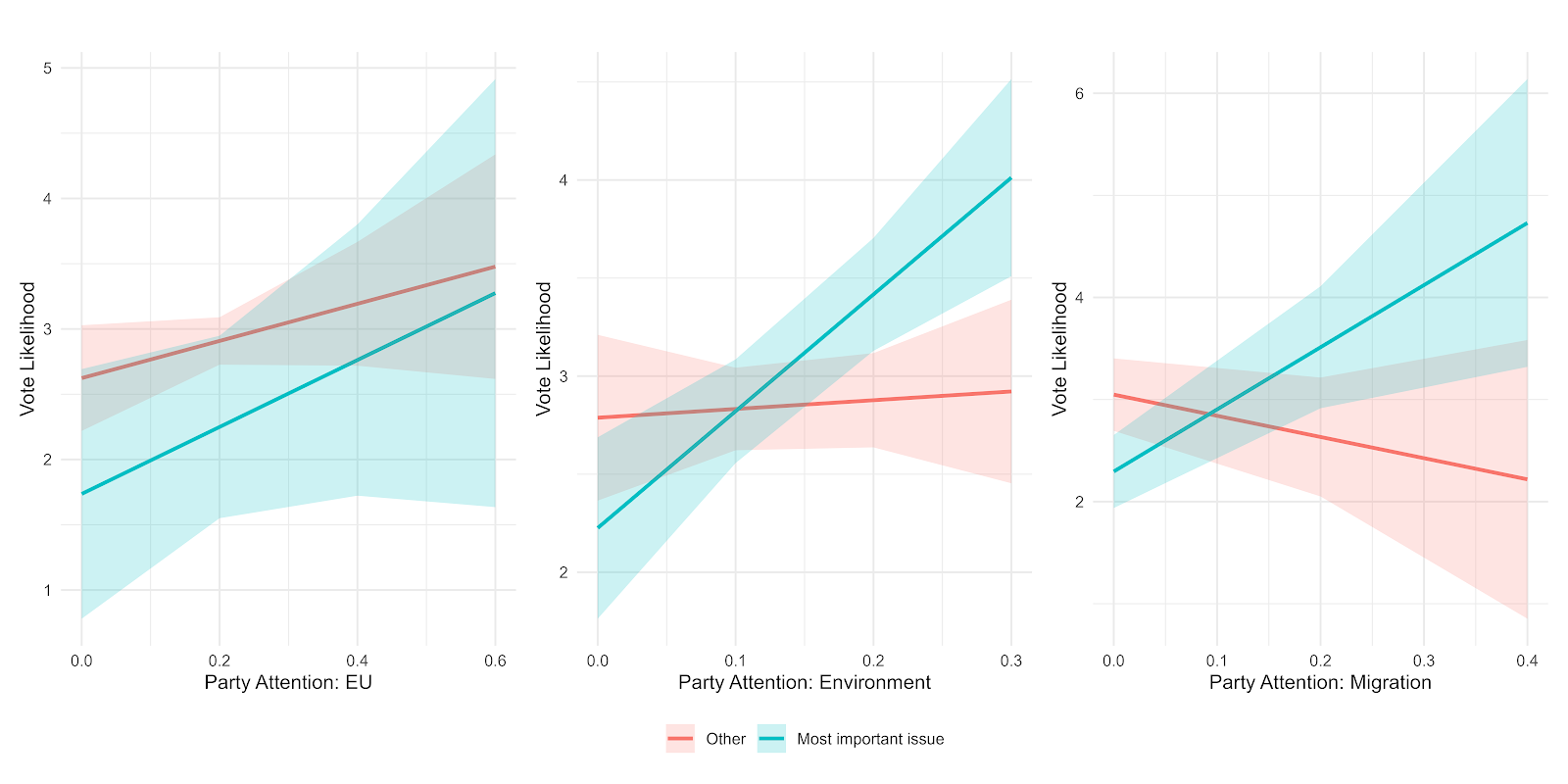
Blog post on the ActEU project: "Out of step? The EU's difficult election dance"
A blog post on the ActEU project has been published on the blog “The (European) Federalist”. The blog post reports on the results of the Horizon Europe project ActEU, which examines how well European parties reflect actual voter priorities in their election programmes. The analysis reveals clear discrepancies: parties often devote more space to issues such as defence or EU policy than the public wants, while many voters feel that more pressing issues such as migration or the economy are not given enough attention. The environment is the only area where party programmes and voter interests are reasonably aligned. These discrepancies can undermine trust and create space for more extreme actors who are more responsive to issues that matter to some voters.

Talk by Dr Anne Jadot: "What drives French voters to the polls?"
Date: 13.01.2026
Time: 16:30-18:00
Place: Bld. B3 1, lecture hall I
Anne Jadot is a lecturer in political science at the University of Lorraine at the Institut de préparation à l'administration générale Nancy. Her lecture examines how different individual voter turnout – analysed using quantitative and qualitative data – explains key political dynamics and mobilisation patterns in France.