Information for
 Quick links
 Faculties


The steel sector serves as a prime example for examining and communicating the key European issues of the future: transformation and its consequences for the economy and the region.
The following text has been machine translated from the German with no human editing.
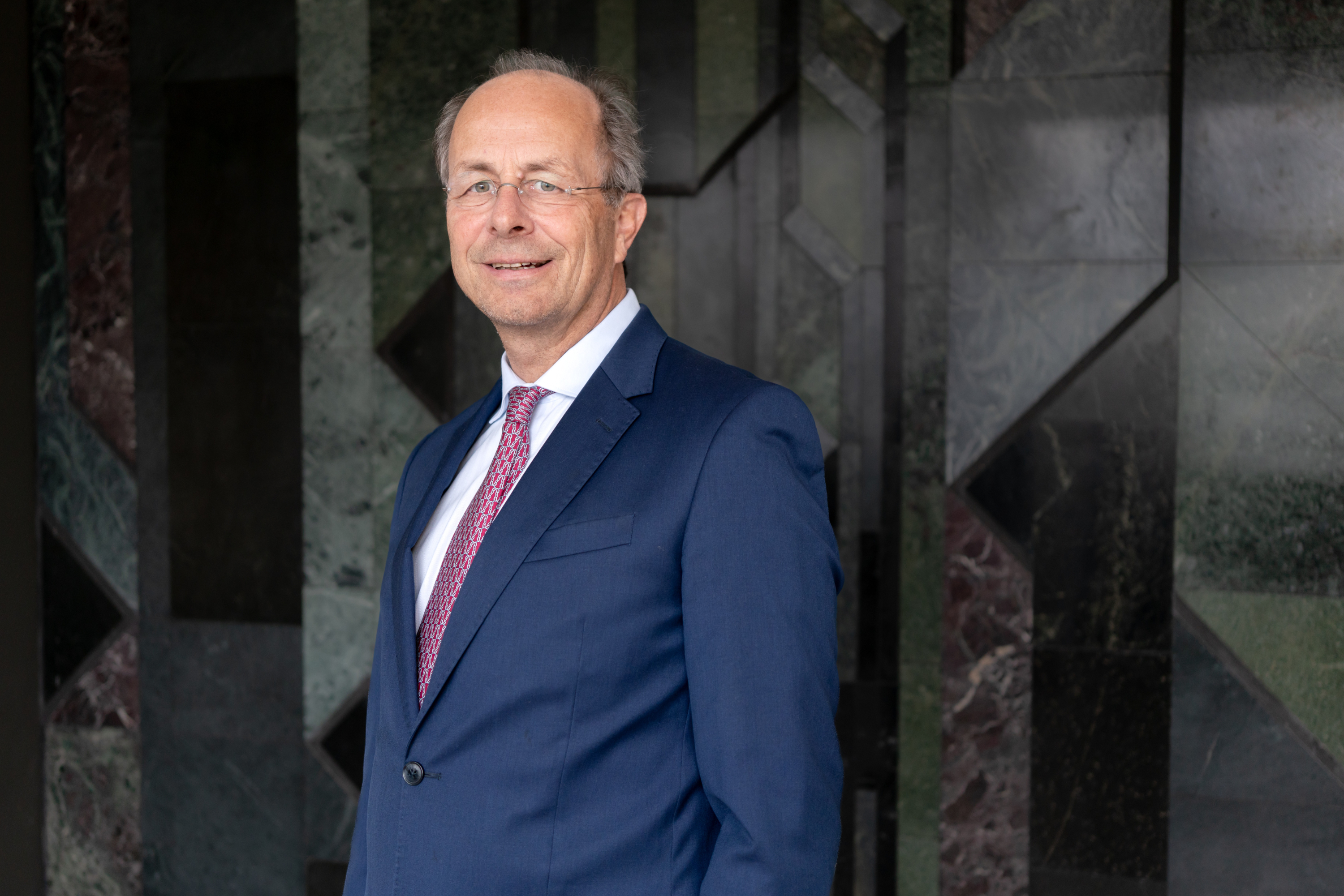
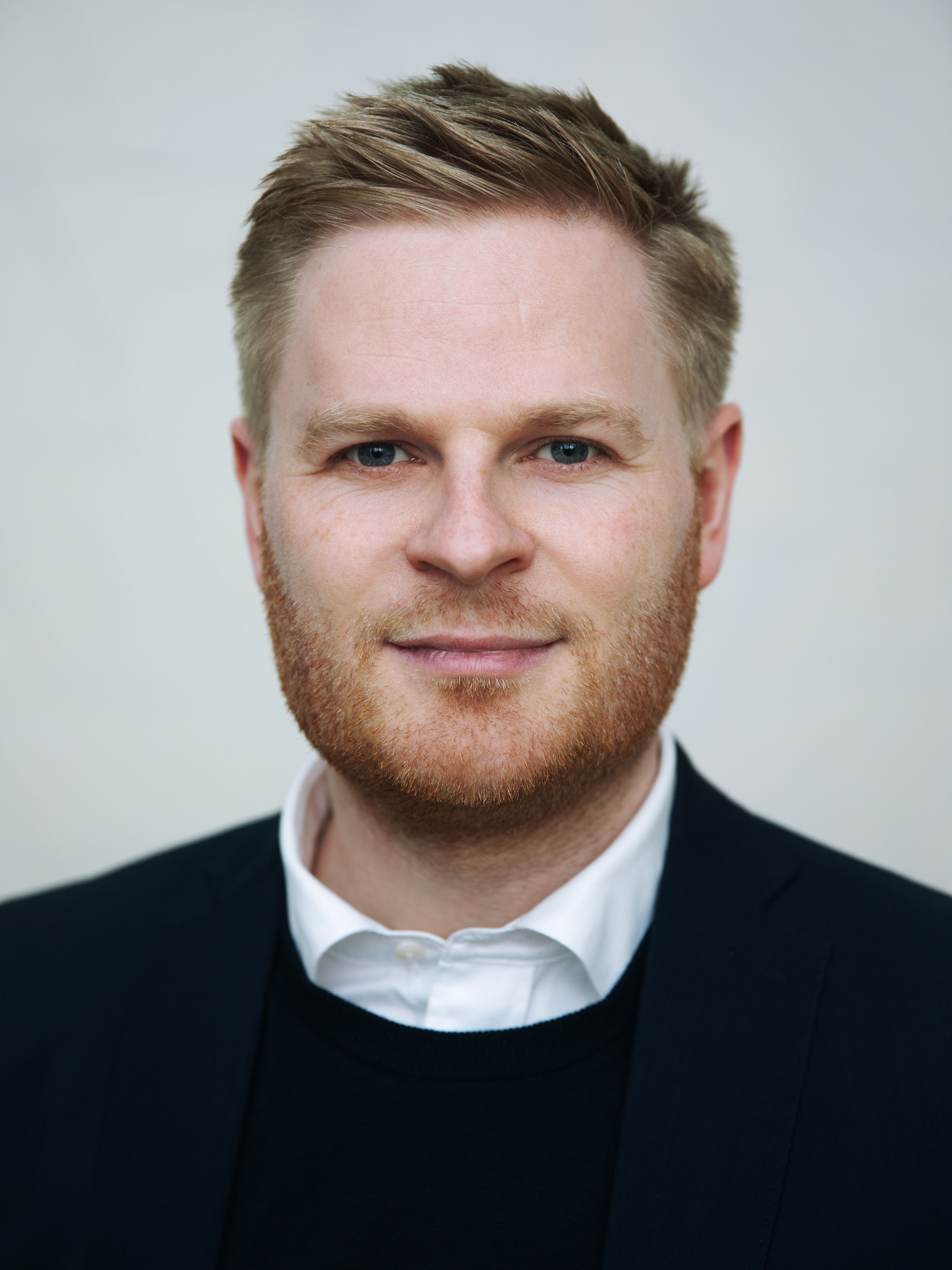
The new research centre will commence its work on the Saarbrücken campus in January. Its acronym, ‘Creso’, is derived from its English name, ‘Jean Monnet Centre of Excellence for Strategic Resources and EU Economic Sovereignty’. “We will investigate, from a range of disciplinary perspectives, how the European Union can secure its supply of strategic resources, strengthen its economic capacity to act and, at the same time, defend its values,” explains Professor Marc Bungenberg, who, together with Professor Till Patrik Holterhus, heads the Saarbrücken-based Europa-Institut as well as the new Jean Monnet Centre of Excellence, which will be based there in future. “Economic sovereignty should by no means be understood as isolationism. Rather, our focus is on how critical economic dependencies can be effectively reduced without resorting to trade autarky. The EU remains absolutely dependent on international integration,” emphasises Professor Till Patrik Holterhus. Creso will be one of only three centres of excellence of its kind in Germany that, on behalf of the EU, address EU-related issues and pool the knowledge and expertise of high-level experts.
The steel sector as a research laboratory
The Saarbrücken Centre of Excellence focuses on the European steel sector. The Saarland, as a model region, is to serve as a laboratory. “The steel sector brings together key questions for Europe’s future: How can the EU remain resilient and competitive despite scarce resources, fragile supply chains and high energy prices, in the face of cheap imports and tariffs that weigh on both domestic and export competition? And how, amidst all this, can we strengthen European values and achieve our climate targets?” says Professor Marc Bungenberg, outlining the issue. As holder of the Jean Monnet Chair in Safe and Sustainable Raw Materials Law and Policy, he had already initiated the “Saarland Steel Talks” against the backdrop of the green transition: a forum for universities, ministries, industry and associations. “In the Saarland, green steel is set to usher in a new era of steel production in the midst of major upheavals: this makes the region a perfect research environment for examining the challenges of industrial transformation and its consequences in concrete terms, and for using the findings to support this process,” says Bungenberg.
Research with interdisciplinary perspectives
“Using this regional steel industry as a case study, the Jean Monnet Centre of Excellence will investigate how Europe can shape security of supply, international competitiveness and the transition to a climate-neutral industry. To this end, we are combining perspectives from law and economic policy with those from materials science and cultural studies,” explains Professor Till Patrik Holterhus. In addition to the Europa-Institut, the centre involves the European School of Materials (Eusmat) – a research institution serving as the coordination centre for international degree programmes and research in materials science, based at Saarland University – as well as the Käte Hamburger Centre for Cultural Practices of Reparation (CURE): Cure is a transdisciplinary Institute for Advanced Study on the Saarbrücken campus, funded by the Federal Ministry of Education and Research as part of the Käte Hamburger Programme of Excellence. The project is also supported by the Material Engineering Centre Saarland (Mecs) on campus and by Professor Andreas Freytag from Friedrich Schiller University Jena, who contributes his expertise in economic policy.
Programmes for politics, business, higher education, continuing professional development, schools and society
The new centre aims in particular to stimulate dialogue on strategic resources and the European Union’s economic sovereignty. “For students and early-career researchers, we will offer new interdisciplinary curricula, a Policy Lab, moot court competitions, a summer school and international digital learning formats. Through academic events, continuing professional development programmes and dialogue forums, we also aim to engage with society as a whole: We want to make the findings of cutting-edge research effectively accessible to politics, business, schools and the general public,” emphasises Professor Till Patrik Holterhus. A short-term certificate course in continuing professional development and workshops for professional practice are planned, as are expert discussions with representatives from politics, public administration and business. Workshops, simulations, teaching materials, teacher training and public events will be offered specifically for schools.
The European Union is funding the project through the EU’s Erasmus+ programme.
Background
The Europa-Institut at Saarland University is celebrating its 75th anniversary this year. Founded to promote understanding between European societies, the Europa-Institut has developed into an internationally renowned institution. A strong focus on the EU has been in place here since as early as 1951. Since 1980, renowned lecturers and practitioners have been teaching ‘European and International Law’ at the Europa-Institut: the Master’s programme attracts students from all over the world. Numerous alumni now work in high-ranking European and international institutions, many of whom return as lecturers.
The Europa-Institut and the Faculty of Law at Saarbrücken are home to a total of four Jean Monnet Chairs. Professor Marc Bungenberg currently holds the Jean Monnet Chair in Secure and Sustainable Raw Materials Law and Policy. The European Commission awards Jean Monnet Chairs in recognition of outstanding research and teaching in the field of European integration.
Specifically regarding the steel sector, the Europa-Institut is also running the research project ‘The significance and current challenges of the European coal and steel industry in the process of European unification’.
For enquiries, please contact:
Dr Mareike Fröhlich, Project Co-ordinator of the Jean Monnet Centre of Excellence
Tel.: 0681-302-6664, email: froehlich(at)europainstitut.de
Press photos can be found at the bottom of this news page:
You may use the press photos free of charge in connection with this press release and reporting on Saarland University, provided you credit the photographer.