Information for
 Quick links
 Faculties


At the Circular Economy Congress on 16 September, experts from research, politics and business will discuss how this transformation can succeed and even become a driver of innovation. The IZES (Institute for Future Energy and Material Flow Systems) and Saarland University, with the support of the Saarland Chamber of Industry and Commerce (IHK Saarland) welcome all citizens interested the circular economy to the event.
The following text has been machine translated from the German with no human editing.
The multitude of current crises ruthlessly exposes just how vulnerable global supply chains are and how complex the interdependencies regarding raw materials and energy are. In key industries such as the steel industry and mechanical and plant engineering, the resulting challenges are particularly evident; however, they extend far beyond these sectors to affect almost all areas of corporate value creation.
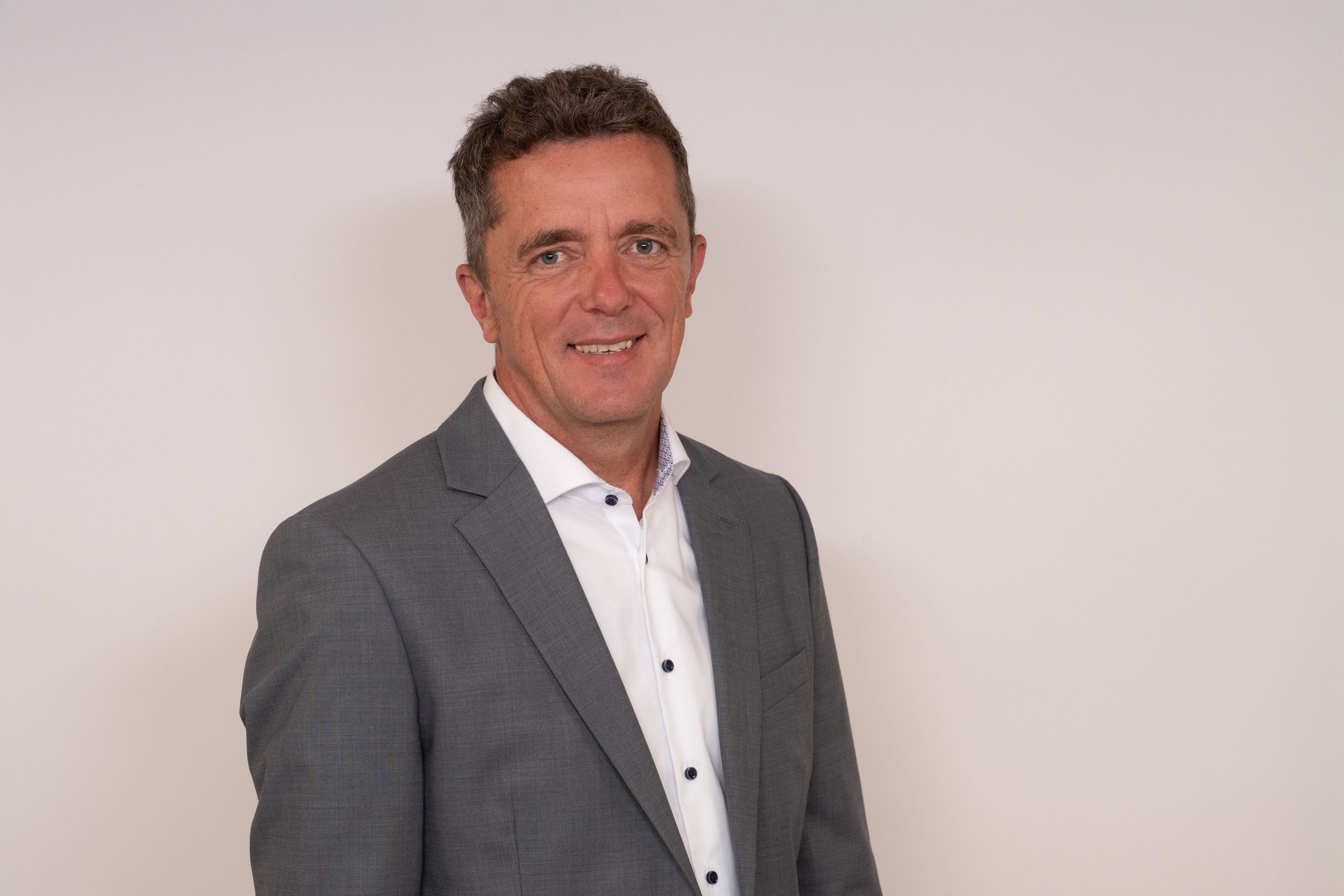
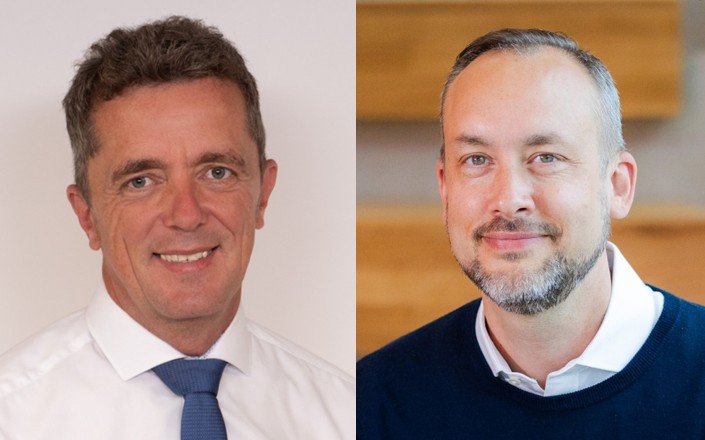
“To ensure the economy remains resilient and competitive, we need to transform towards a circular economy that is systemically designed and based on sound data,” explains Michael Vielhaber, Professor of Product Development at Saarland University and Scientific Director of the Institute for Future Energy and Material Flow Systems (IZES). “It is important to understand that the circular economy is both an ecological and an economic concept: business models that utilise products, materials and resources for as long as possible and keep them in circulation create the conditions necessary to achieve climate protection targets as well. With these new methods, we are developing innovative production processes that conserve resources whilst also being more energy-efficient and cost-effective than conventional methods, which always result in a waste product,” emphasises Vielhaber.
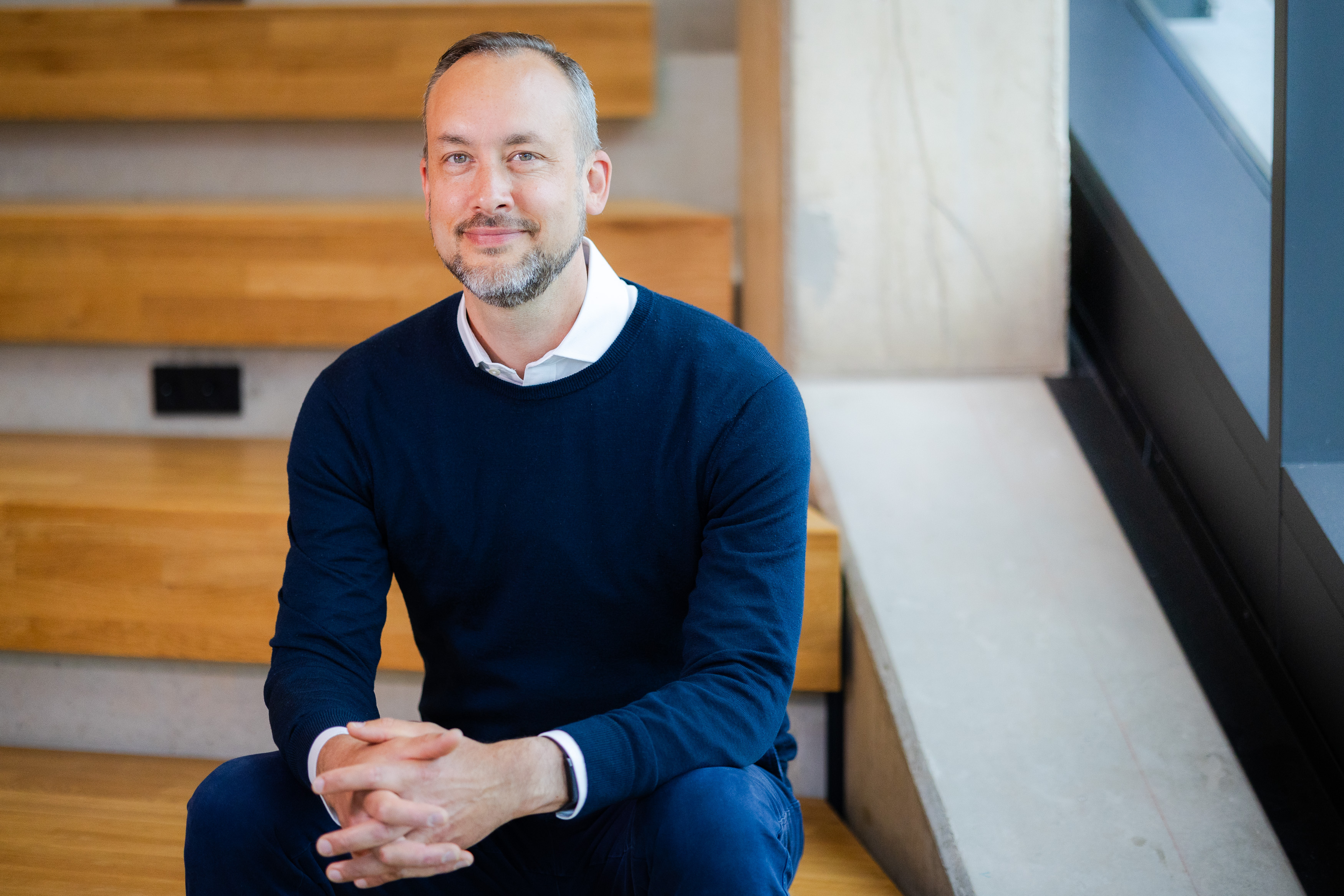
As part of CircularSaar, researchers from Saarland University and IZES are working together on holistic, systemic solutions that combine both the economic and environmental benefits of the circular economy. The aim of the transformation project, which is funded by the Saarland Ministry of Science, is, on the one hand, to build up future-oriented scientific expertise in the region. Against the backdrop of structural change, the other aim is to support the energy- and material-intensive industrial sectors in the Saarland as they transition to a sustainable circular economy. “CircularSaar combines cutting-edge research and industrial practice to advance the circular economy from the Saarland,” says Jens Krück, Managing Director of CircularSaar.
For the second time, IZES and the University, in cooperation with the Saarland Chamber of Industry and Commerce (IHK Saarland), are hosting the Circular Economy Congress as part of the CircularSaar initiative. Under this year’s theme, ‘The Circular Economy as a Location Factor’, experts from the fields of research, business and politics will discuss how this transition can be successfully achieved through the interplay of regulatory strategy, corporate practice and social acceptance.
Interactive themed sessions, workshops and direct discussions will focus on topics including sustainable metallurgy, industrial shredding techniques, smart data systems and sensor technology, as well as concrete approaches to circular design. In-depth ‘fireside chats’ – moderated expert discussions – will shed light on the challenges of this transformation from international, national and regional perspectives. An innovation marketplace will also bring together stakeholders from industry, academia and politics.
With its focus on knowledge transfer, the Circular Economy Congress follows on seamlessly from the international ECHO Sustainability Symposium organised by Saarland University and the University of the Greater Region, which takes place on campus the day before.
Second Circular Economy Congress, 16 September, from 9.00 am, Saarbrücken Campus, Auditorium A3 3 and Innovation Centre A2 1.
Attendance at the event is free of charge. Interested parties are warmly invited. You can register at: https://eveeno.com/868337158
The programme can be found at the following web address: https://www.uni-saarland.de/fileadmin/upload/aktuell/pdf/2026/Programm_2._Circular_Economy_Kongress.pdf
CircularSaar: https://www.uni-saarland.de/fr/forschen/circularsaar.html
Background:
The Institute for Future Energy and Material Flow Systems (IZES), a non-university research institution, has been conducting interdisciplinary research into sustainable and climate-neutral solutions for over 25 years. Saarland University and IZES have been collaborating more closely since 2024. The cooperation focuses on joint research projects in the fields of sustainable circular economy, climate-neutral energy concepts and new material solutions against the backdrop of resource scarcity.
Saarland University has made sustainability a central research theme and is driving forward change in science and society with funding running into millions – including through projects such as CircularSaar, EnFoSaar, Saarene, DepartSaar and a new Master’s programme in Sustainable Materials and Engineering.
For further information, please contact:
Prof. Dr.-Ing. Michael Vielhaber (Professor of Product Development at Saarland University and Scientific Director of IZES):
Telephone: +49 (0) 681 302 71304, email: michael.vielhaber(at)uni-saarland.de
Jens Krück (Managing Director of CircularSaar):
Telephone: +49 (0) 681 302-3548, email: jens.krueck(at)uni-saarland.de
Press photos are available for download at the bottom of this news page: https://www.uni-saarland.de/aktuell/circular-economy-kongress-2026-50326.html. You may use the press photos free of charge in connection with this press release and reporting on Saarland University, provided you credit the photographer.