Information for
 Quick links
 Faculties


The following text has been machine translated from the German with no human editing.
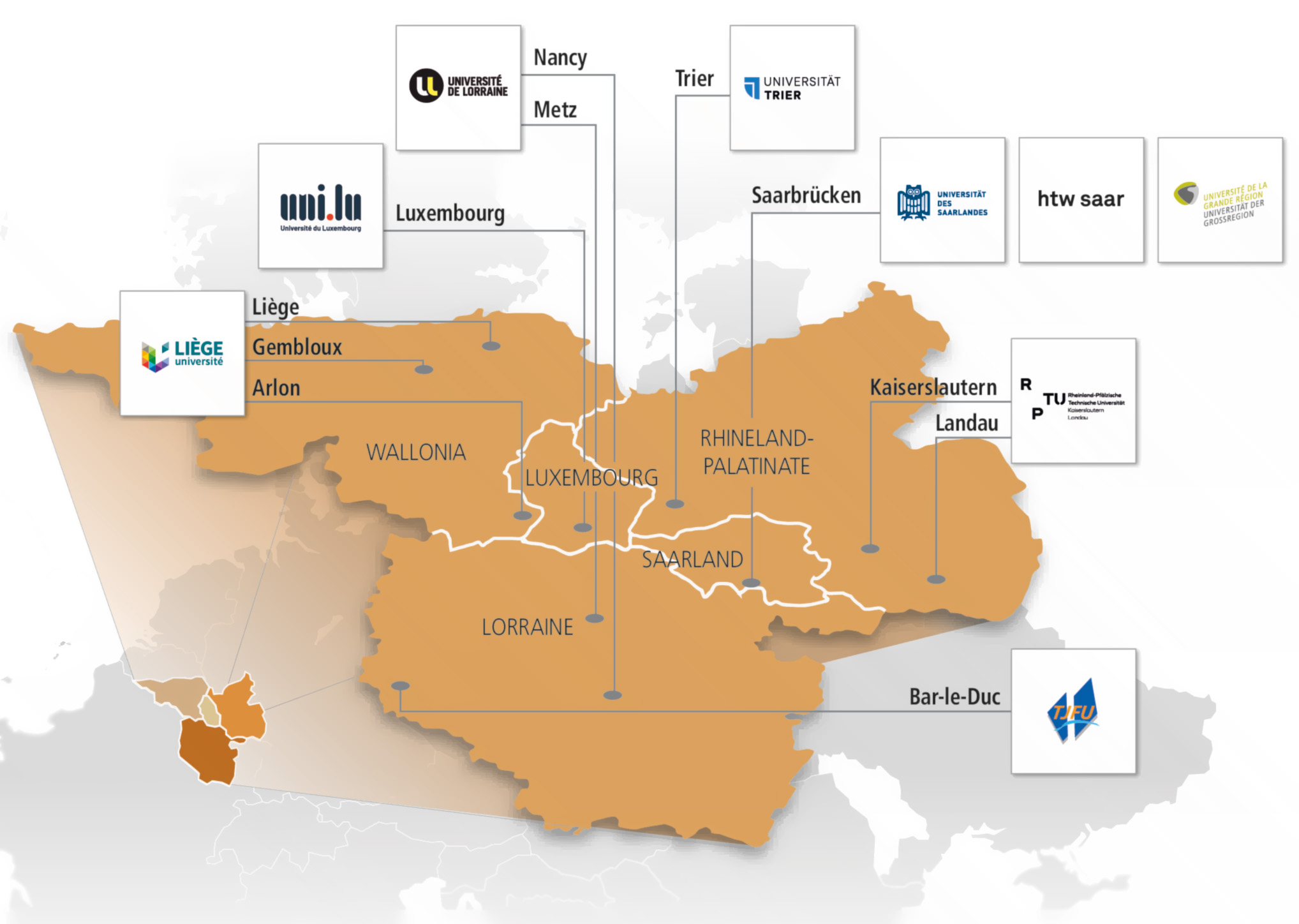
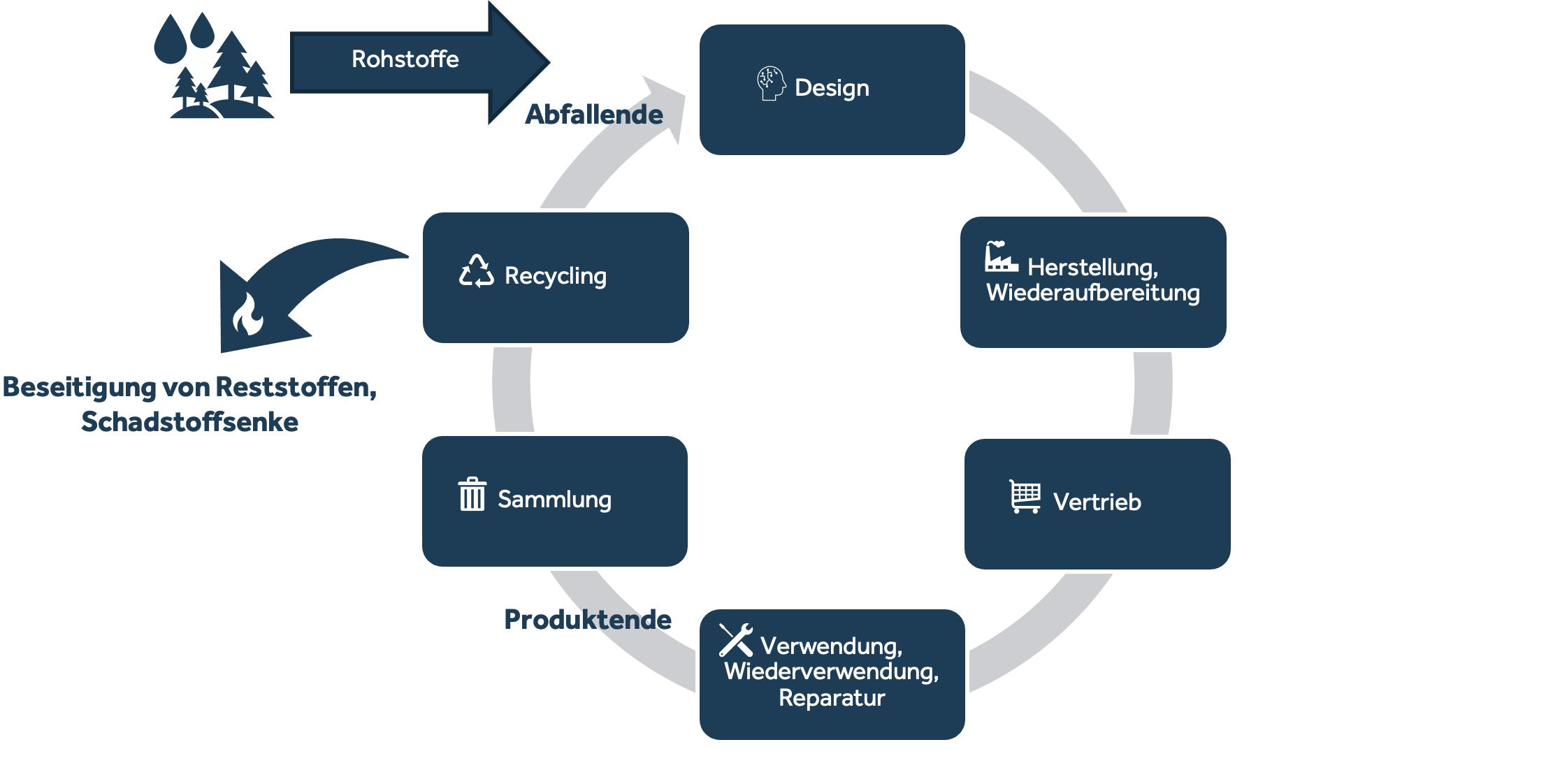
How should products be designed so that they are easy to repair or recycle? What does a sustainable circular economy mean when we actually consider the entire value chain, from raw materials through prefabricated components (so-called ‘semi-finished products’) to the end product? To what extent can material flows be organised regionally to achieve the most comprehensive circular economy possible – for example, when we look at steel production in the Saarland or the construction industry? And how can recycled materials be used in the construction industry for the production of concrete? – Since 2021, the ‘CIRKLA – UniGR Interdisciplinary Centre of Excellence for Metals and Materials in a Circular Economy’ initiative at the University of the Greater Region has been addressing these and similar questions relating to the topic of the ‘circular economy’: a research consortium with partners from Belgium, Germany, Luxembourg and France, which is funded until 2028 by the European Union’s ‘Interreg Grande Région 2021–2027’ programme.
The conference ‘ECHO 2026 – Sustainability and the Circular Future with UniGR-CIRKLA’, taking place on 14 and 15 September at Saarland University, will now present new strategies and materials for the circular economy, sustainable design and circular business models. Further topics include training for the circular economy, legal and social dimensions, and civic engagement. The symposium will be attended by researchers, industry experts, political stakeholders and interested members of civil society.
The conference will be opened on Monday 14 September at 5 pm by University President Ludger Santen (Innovation Centre, Building A2 1). Welcoming addresses will be given by the Minister for Finance and Science, Jakob von Weizsäcker, and the Secretary-General of the University of the Greater Region, Cornelia Schmidt.
Further information on the conference: https://www.eusmat.net/research/cirkla/echo-2026/
Background:
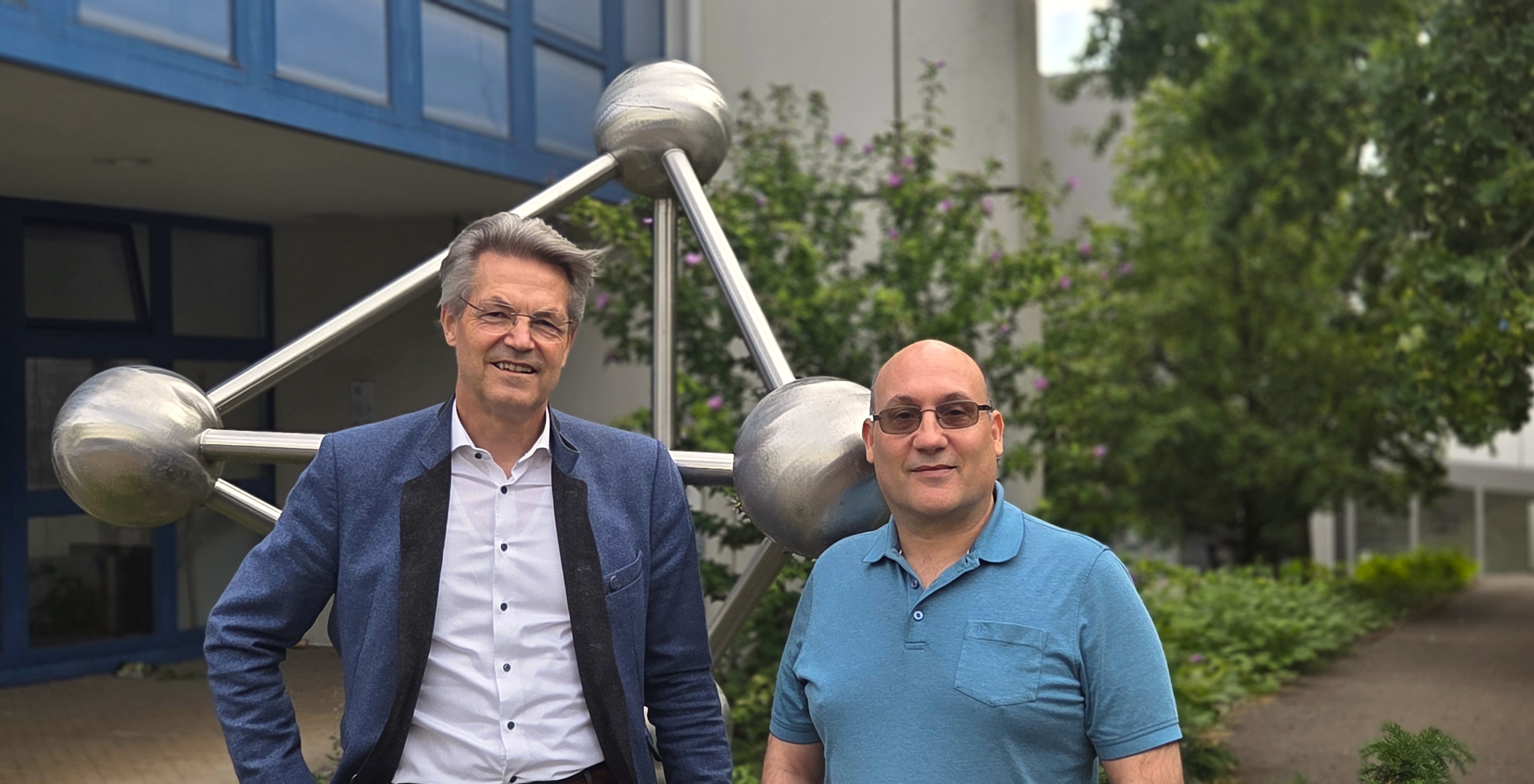
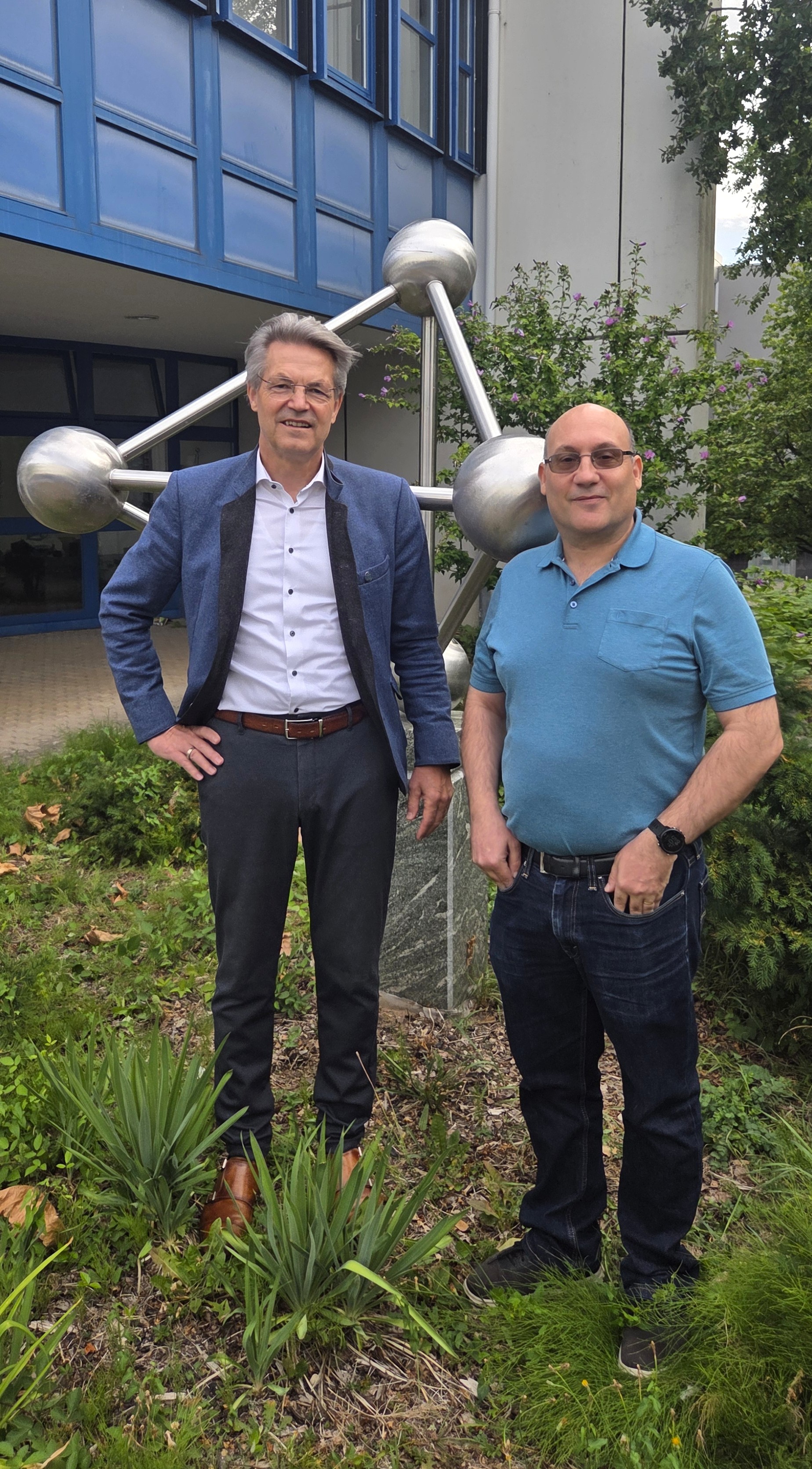
The ECHO label was launched by the Greater Region in 2025 and is designed in particular to facilitate networking amongst early-career researchers from specific disciplines. The conference in September is the first ECHO event to be held in Saarbrücken. Professor Frank Mücklich and Dr Flavio Soldera from the European School for Materials Research at Saarland University are responsible for coordinating the symposium’s programme.
Further information on the ECHO event series: https://www.uni-gr.eu/de/forschen-und-lehren/unigr-eventreihe-echo
As part of the “UniGR-CIRKLA” initiative, an interdisciplinary summer school for PhD students has also been launched, which will take place this year (also in September) in Saarbrücken. In addition, all universities have introduced programmes to run alongside degree courses, as well as continuing professional development courses, covering various aspects of the “circular economy”
Link to the UniGR-CIRKLA Centre for Circular Economy in Materials and Metals: https://www.eusmat.net/research/cirkla/
Contact for enquiries:
Prof. Dr.-Ing. Frank Mücklich
European School for Materials Research at Saarland University (EUSMAT)
Steinbeis Research Centre for Materials Engineering Saarland (MECS)
Tel. 0681 302-70500
Email: symposium-cirkla-echo2026(at)uni-saarland.de
Press photos