Information for
 Quick links
 Faculties


The funding will finance up to 70 full scholarships and 50 partial scholarships, providing Master's students access to a high-quality international education in materials science and engineering. Coordinated by the European School of Materials at Saarland University, the programme brings together partner universities in France, Sweden, Spain, Italy and Austria.
The following text has been machine translated from the German with no human editing.
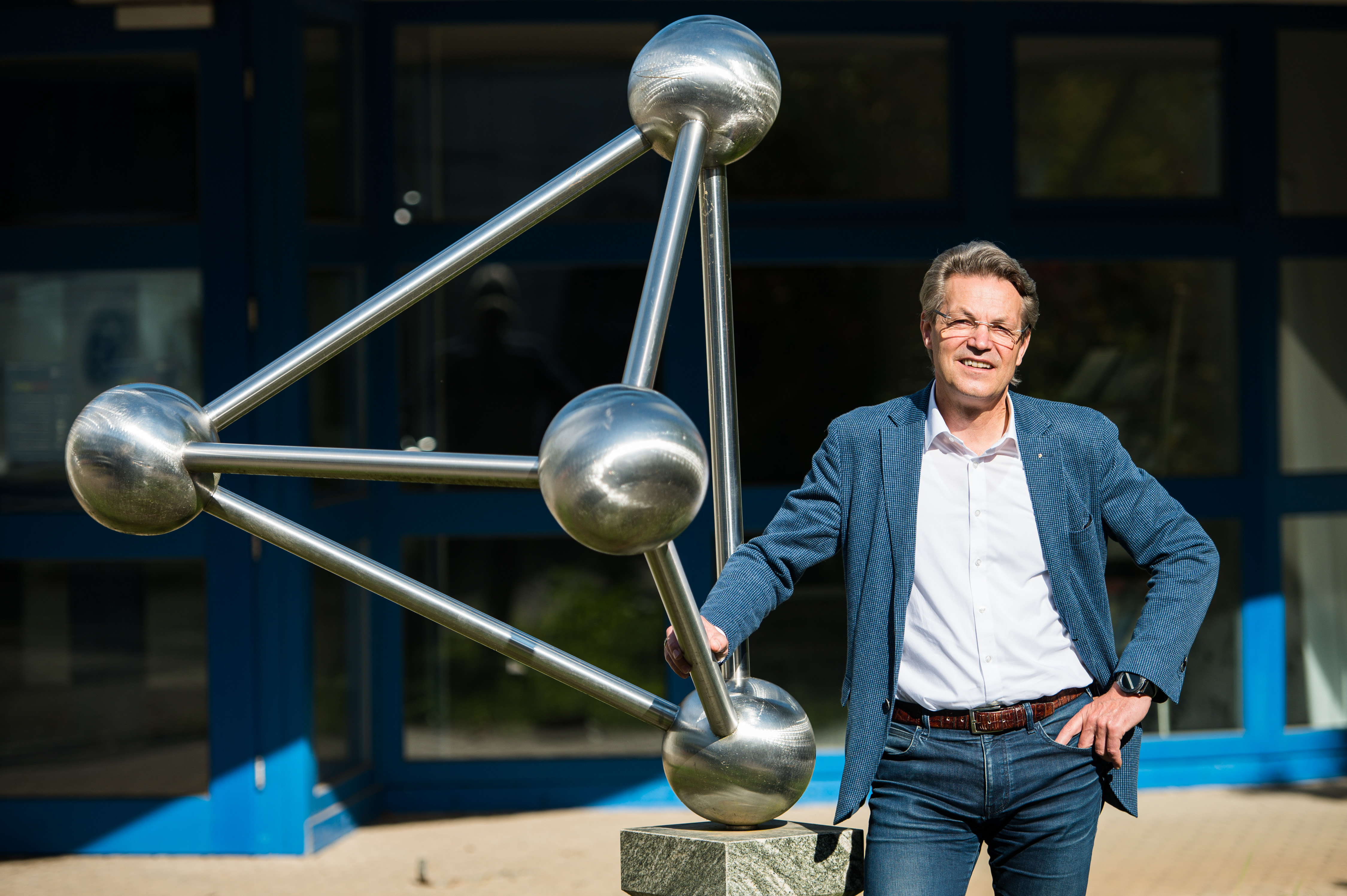
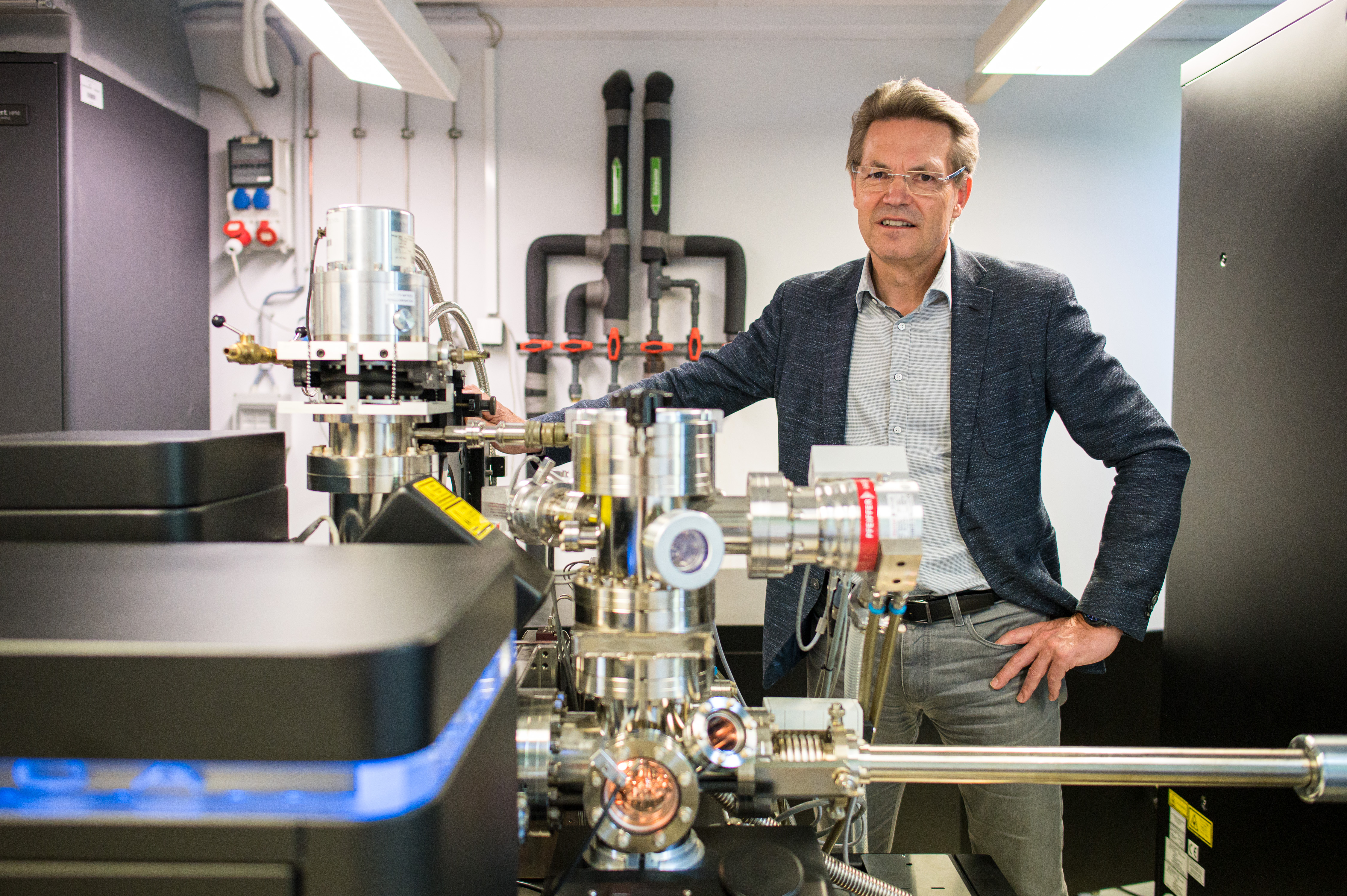
The AMASE M.Sc. programme was established in 2005 and Frank Mücklich, Professor of Functional Materials at Saarland University, has led it since then. The programme links Saarland University with universities in Nancy, Luleå, Barcelona, Padua and Leoben. Each student must study at two of the six partner universities and, to do so, must be proficient in one of the four European languages: English, German, French or Spanish. 'This is a distinctive feature of our programme, which sets it apart from many English-language exchange programmes. We attach great importance to ensuring that M.Sc. students not only receive a high standard of academic training but also become familiar with the language and cultural differences of their host countries,' says the materials scientist.
The European Commission's selection process for Erasmus Mundus programmes is rigorous: universities must draw up a detailed proposal for each application, incorporating a constant stream of new ideas. Consequently, hardly any other Master's programme has received such long-standing and continuous funding as AMASE. 'This time, we have introduced the topics of data science and artificial intelligence in materials science and materials engineering as new elements. We also aim to integrate the challenges of sustainability and the circular economy more closely into the M.Sc. programme," explains Frank Mücklich. These interdisciplinary topics clearly also appeal to many of the international students, who make up around 41 per cent of the AMASE cohort – twice the proportion found in the national degree programmes in Materials Science and Materials Engineering at Saarland University. Since its inception in 2005, around 500 students from 54 countries have taken part in the M.Sc. programme, with just over half of them having studied at Saarland University.
During an 'Integration Week' at the start of the programme, all students in a given cohort come to Saarbrücken to get to know one another and network at an early stage. After one year, all students, who are spread across Europe, meet up again at a 'Professional Summer School' in the Saarland. There, they learn how to plan their own careers at both national and international levels and what is important when applying for jobs. They can also establish contacts with regional research institutes and numerous industry partners and get to know them through work placements and practical research projects. 'We also want to offer them a lifelong network through continuing professional development opportunities. This was a particular strength in our Erasmus Mundus application this time, as it promotes long-term exchange between industrial companies and materials research in Europe and worldwide,' emphasizes Frank Mücklich.
The European Union supports the Master's programme to promote both non-European and European students in this programme of excellence. The scholarships exempt them from the tuition fees normally charged for this programme; the full scholarships also cover living expenses and travel costs. This time, only 37 programmes across all disciplines received the coveted funding out of nearly two hundred applications.
'Our graduates have the opportunity to pursue an academic career. However, they are also of interest to the numerous export-oriented companies and globally active corporations, as they not only acquire specialist knowledge but are also equipped with intercultural and linguistic skills. This is likely one of the reasons why the careers of many previous graduates have been particularly successful,' emphasizes Professor Mücklich.
Background:
Twelve professors are currently engaged in research and teaching in the Department of Materials Science and Engineering at Saarland University. Few universities in Germany have such a strong focus on this field. In Saarbrücken, students can choose between the national B.Sc. and M.Sc. programmes, the international B.Sc. programme Atlantis – in which the USA also participates – and the two European M.Sc. programmes, AMASE and EEIGM. In addition, the university offers further exchange opportunities with universities in Morocco and Argentina. Since 2008, the European School for Materials Research (EUSMAT) at Saarland University has coordinated and marketed all international degree programmes. The campus is also home to the Fraunhofer Institute for Non-Destructive Testing (IZFP), the Institute for New Materials (INM) and the Steinbeis Research Centre for Materials Engineering (MECS), all of which are closely linked to university research and are partners of the Department of Materials Science and Engineering at Saarland University.
Further information:
AMASE degree programme: www.uni-saarland.de/studium/angebot/master/amase.html European School for Materials Research (EUSMAT): www.eusmat.net
Press photos for download, for free use in connection with this press release, can be found at the very bottom of the following webpage.
For further information, please contact:
Prof. Dr. Frank Mücklich
European School for Materials Research (EUSMAT)
Tel.: +49-681-302-70500