Information for
 Quick links
 Faculties


The university’s project, Saarland Future Minds Programme in Quantum Technologies and Artificial Intelligence, was selected from more than 70 applications in a nationwide competition organized by the German Academic Exchange Service (DAAD). The DAAD is funding the project with around 709,000 euros through the end of 2029.
The following text has been machine translated from the German with no human editing.
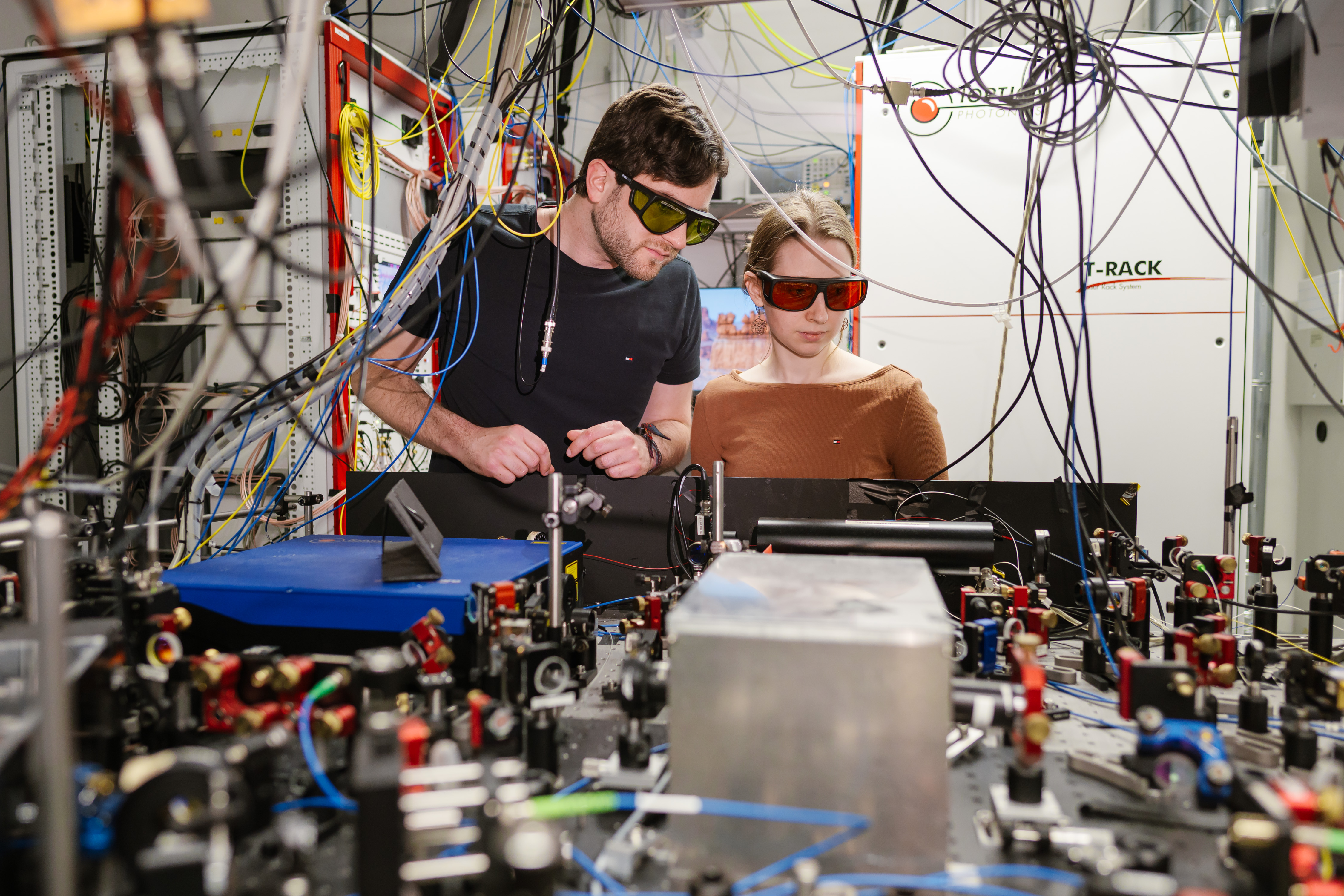
With the recently launched Centre for Quantum Technologies, the state and Saarland University have underlined their aim of establishing this key future technology in the Saarland – not only within the research landscape but also beyond it, for example in spin-off companies. The German Academic Exchange Service (DAAD) is now supporting this initiative with comprehensive funding to attract students and doctoral candidates, who are to be specifically recruited and retained.
The “Saarland Future Minds Programme in Quantum Technologies and Artificial Intelligence” (FMP Quantum AI) highlights Saarland University’s status as a leading national centre for attracting outstanding young talent to future technologies. “At the same time, our success in the ‘Academic Horizons’ funding scheme is a testament to Saarland University’s successful international focus on key technologies,” emphasises University President Professor Ludger Santen.
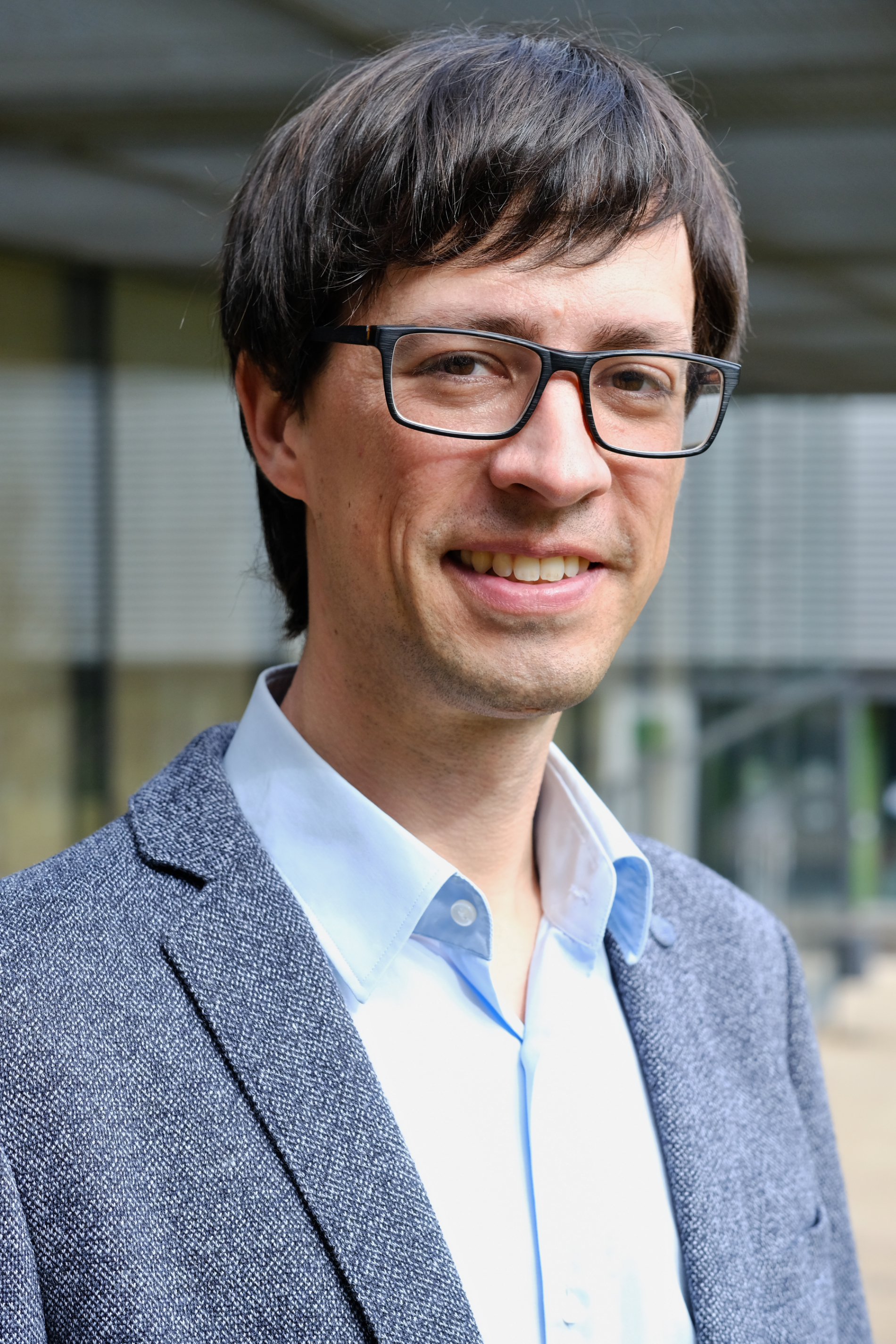
Under the project leadership of Professor Moritz Weber, the scientific director of the Centre for Quantum Technologies, the DAAD funding will be used to establish structures that will enable three key objectives: Firstly, the aim is to identify the best Master’s students and PhD candidates internationally in the fields of quantum technologies and artificial intelligence. Key tools in this regard are international partnerships and the establishment of international summer schools with research placements at the university. Secondly, these talented individuals will be supported with comprehensive assistance from initial contact right through to the start of their studies, in order to systematically promote their academic and social integration. And thirdly, these outstanding young researchers will be supported in their career development and retained in Germany as a research hub in the long term.
Jakob von Weizsäcker, Minister for Finance and Science of the Saarland, comments: “Advances in artificial intelligence and quantum technologies are driven by exceptionally talented and committed individuals. Attracting these talents to the Saarland is a key factor in our location’s appeal. The fact that Saarland University is among the universities selected nationwide is a mark of distinction for our research hub and underlines its international appeal.”
The Future Minds Programme Quantum AI thus makes a direct contribution to the DAAD’s ‘Academic Horizons’ programme. The aim of this programme is to identify and integrate outstanding international talent, to support their academic careers, and to strengthen the German innovation landscape in key technologies of the future – in this case, quantum technologies and AI – in the long term. The DAAD is funding the Quantum AI project from 1 May 2026 until the end of 2029 with a total of 709,000 euros.
Further information on the DAAD’s Academic Horizons programme: https://www.daad.de/de/infos-services-fuer-hochschulen/weiterfuehrende-infos-zu-daad-foerderprogrammen/academichorizons/
For enquiries, please contact:
Prof. Dr Moritz Weber
Tel.: 0681 302-2556
weber(at)math.uni-sb.de