Information for
 Quick links
 Faculties


Against the backdrop of an ageing population and high care costs, the project sets out to use prevention to help people remain fit and independent for longer. Bosch Sensortec is coordinating the project, which has received 15 million euros from national funding organizations within the EUREKA Cluster Xecs.
SensorTech4Health Consortium joint press release
For many people, smartphone apps or fitness trackers that help them track their goals – such as those that count steps or monitor heart rate and sleep quality – have become part of daily life. However, as this type of data is incomplete and lacks context, it is not sufficient to consistently monitor people’s health and wellbeing. That's where SensorTech4Health comes in. The international project plans to develop preventative health assistant technology that will enable people to continue living independently in their own homes for longer.
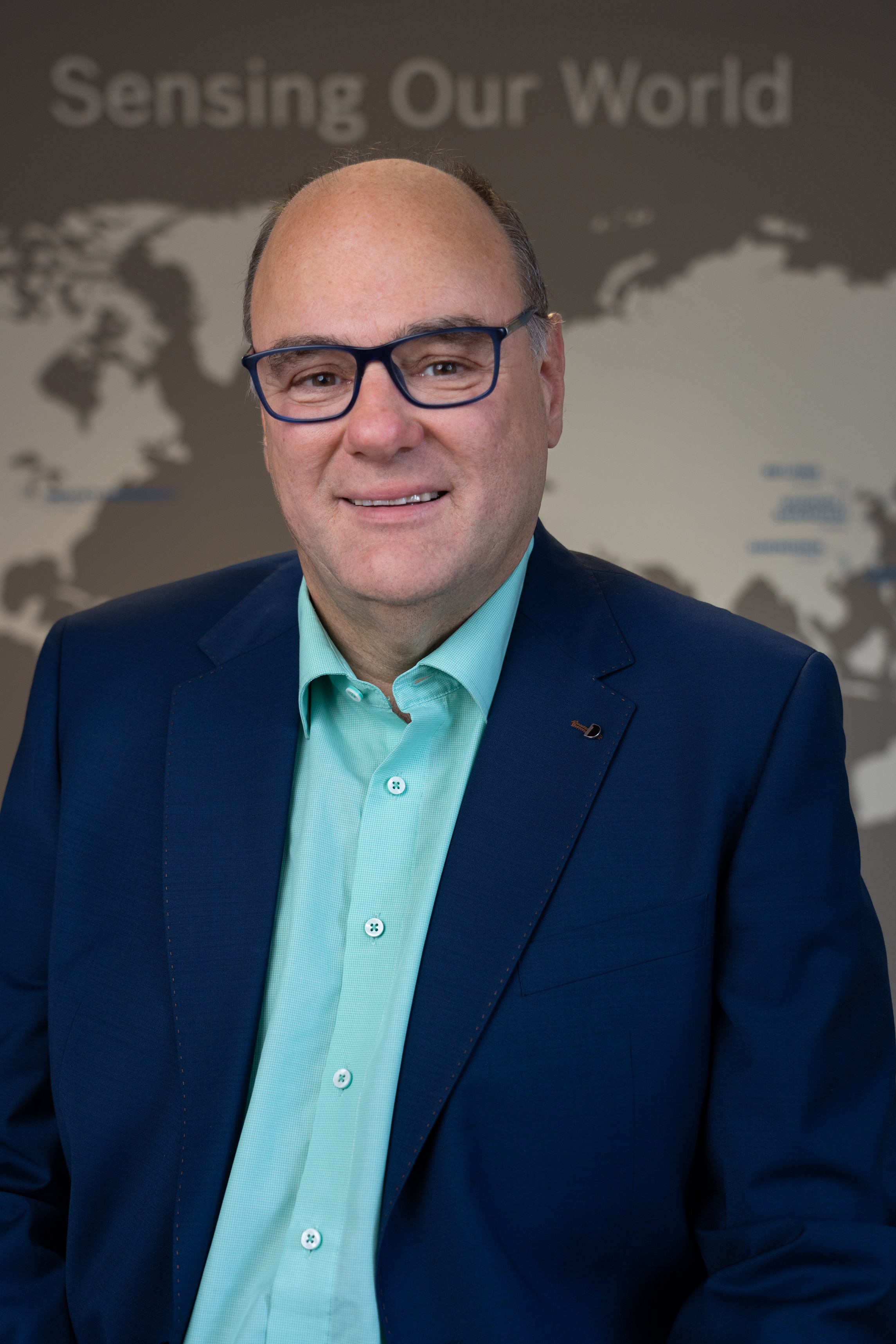
'We aim to develop sensors that are more than just technical components – they'll act as sensitive partners in assisting people in living a healthier life', explains Dr. Stefan Finkbeiner, CEO of Bosch Sensortec. 'Our goal is to use smart sensor technology that is seamlessly integrated into daily life to improve people's quality of life in the long term. By placing prevention in the spotlight, we make it possible for people to maintain their fitness and autonomy for longer. With this project, we are shaping the future of preventative healthcare', says Finkbeiner.
The new assistance systems will be designed for the users' needs, using smart technology to ensure that the devices will be easy and intuitive to operate. Eight international companies are collaborating with the sleep research teams at the Medical Center – University of Freiburg and at the National Institute of Mental Health in Czechia, as well as with gas sensor experts at Saarland University. The project is coordinated by Bosch Sensortec and aims to develop market-ready products.
Smells, sounds and AI: Assistance systems for a healthier society
Recognizing health risks at an early stage is not just important for individuals. In an ageing society with a shortage of healthcare workers and where treatment and care options are expensive, missing an opportunity to stay healthy for longer has significant consequences. Keeping tabs on stress, sleep habits and overall health can help people maintain a high quality of life for longer, while also avoiding costly strain on the healthcare system. The SensorTech4Health project faces these challenges head on with plans to design smart assistance systems that support healthier lifestyles, wellness and safety.
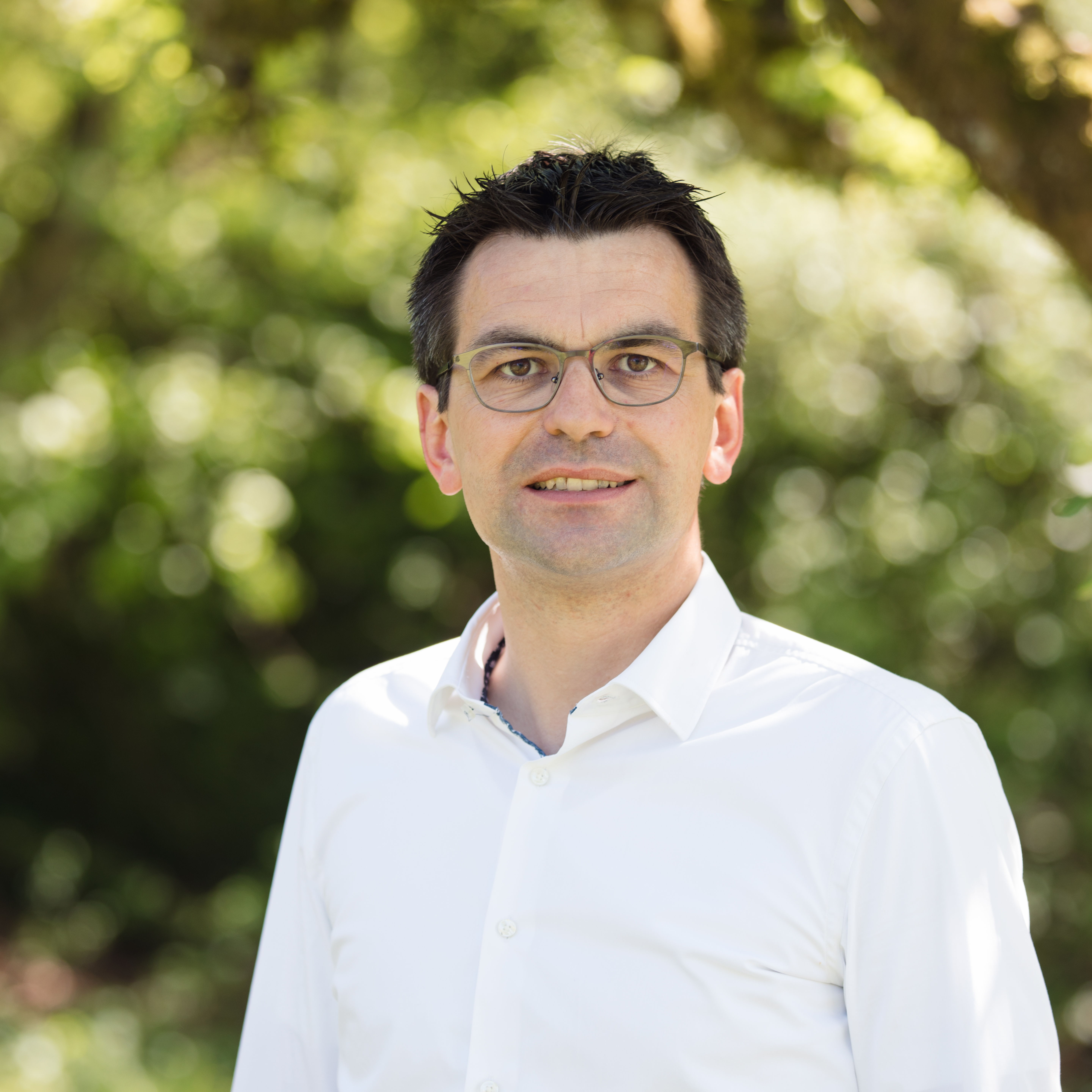
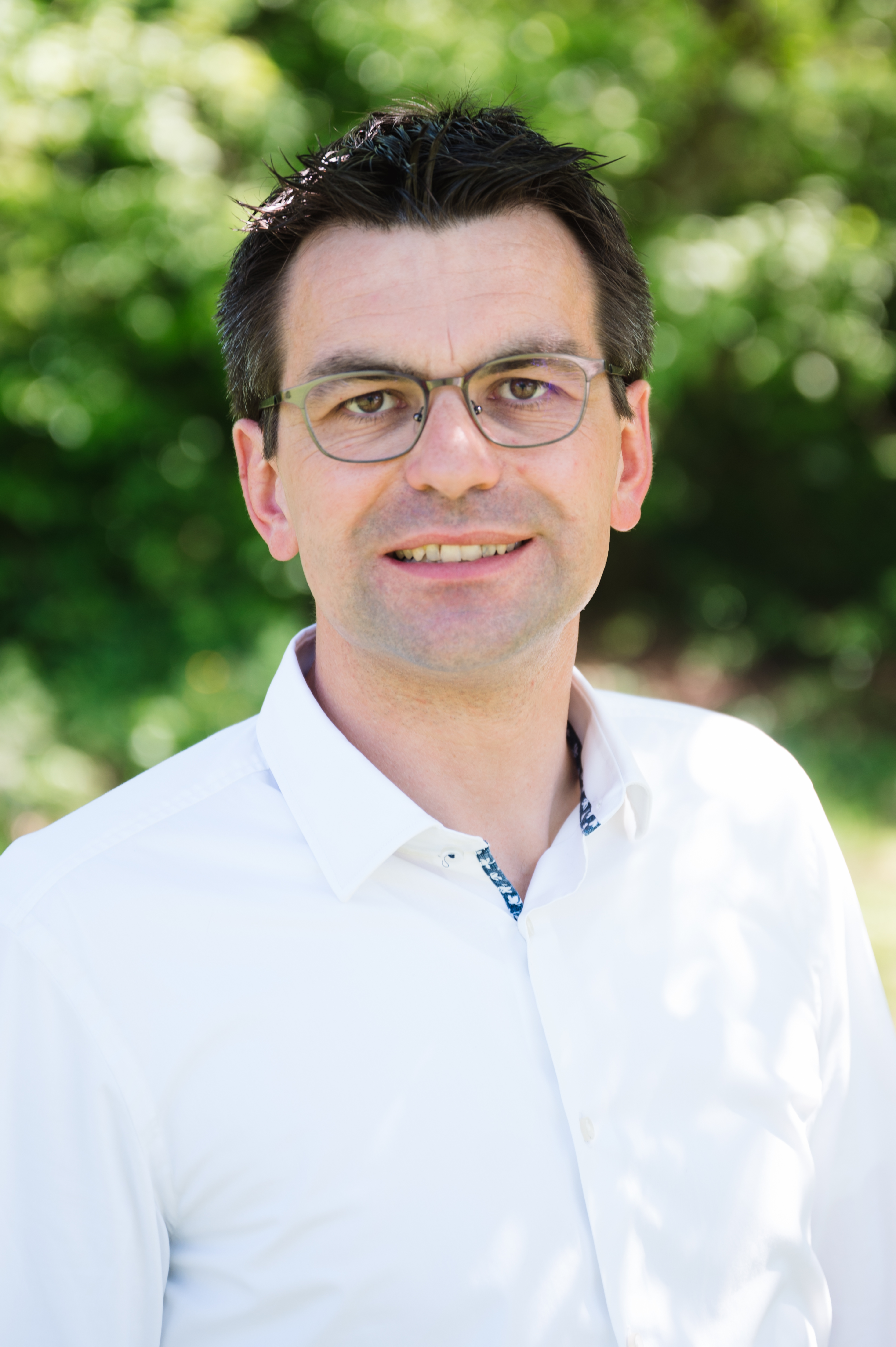
The new technologies will use information from the user's environment – such as their home or hospital room – or directly from the user's body to track health. Using machine learning, these novel technologies will learn to 'understand' this data and contextualize it within a given situation, enabling the devices to take or suggest appropriate steps – even those as small as opening the windows in a stuffy room. 'We are developing technical solutions for everyday people in their own homes, from young people looking to adopt a healthy lifestyle to seniors, people with care needs and chronically ill people', explains Dr. Christian Bur, the project PI at Saarland University.
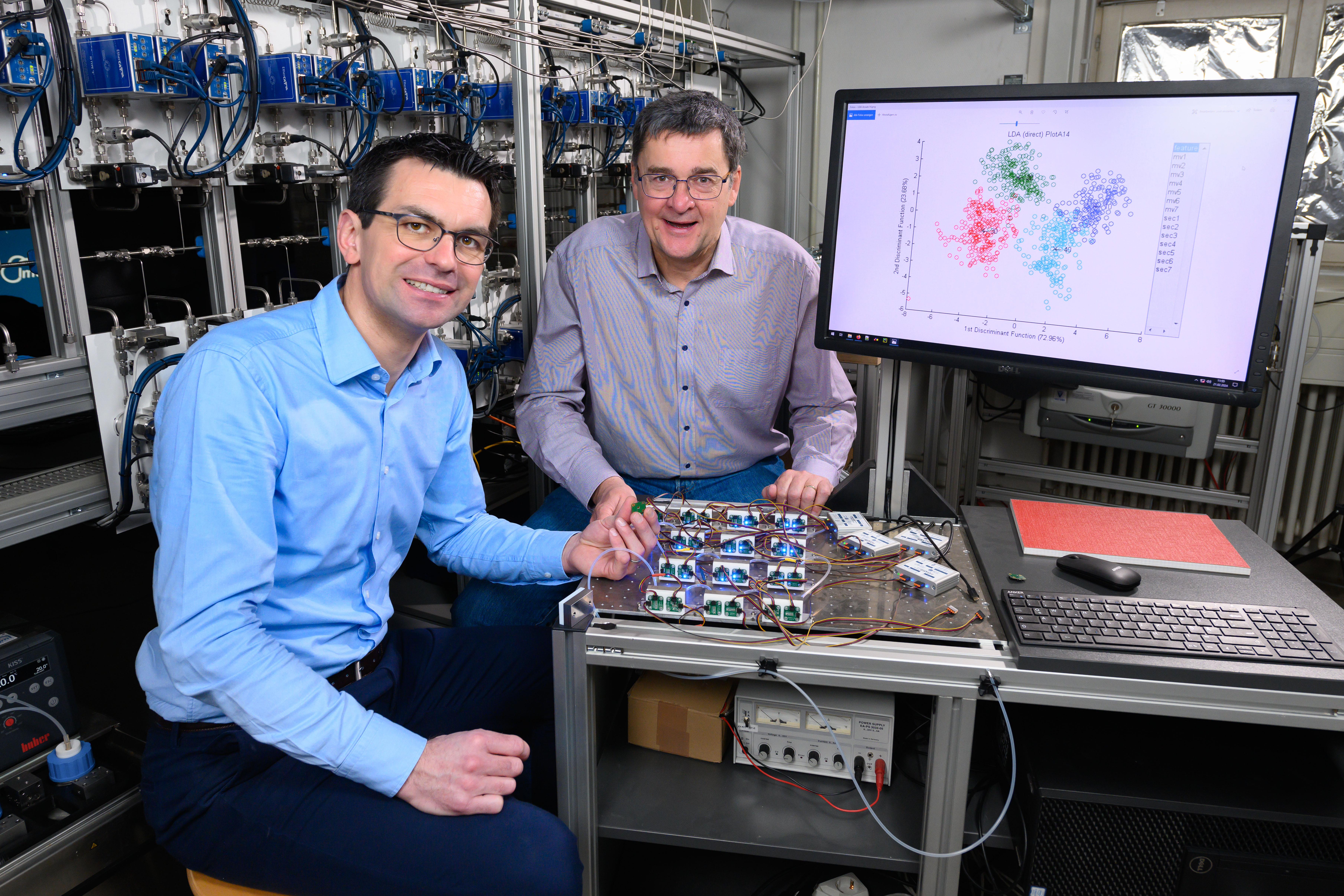
The academic and industry partners are developing a range of different devices that automatically and discreetly monitor sleep quality, stress and other health indicators. 'These devices will have completely novel functions – for example, the ability to analyse body odours, breath and volatile organic compounds. Indicators measured by different sensors will be analysed together in context using artificial intelligence and appropriate algorithms', explains the gas sensor expert.
Privacy by design
The partners are developing assistants that can be integrated into smart home systems, making it possible for people to continue living independently in their own homes. The team hopes to develop assistants that can use machine learning approaches to monitor users' well-being, for example, by detecting that someone is cooking in their home – a sign that all is well. 'This would be possible using a combination of microphones and gas sensors that detect certain substances in the air. The microphones don't record language, but instead transform sound into electrical signals via pressure changes on a microscopic membrane. Individual indicators and raw data on their own are not very telling. But by combining indicators and data from several types of sensors and using artificial intelligence for analysis, we are able to create a novel assistive technology', explains Bur.
For the team, it is particularly important that these systems don't violate users' privacy and that their data security is protected. 'The systems are equipped with gas sensors and microphones that record sound exclusively, without speech recognition technology. The systems will not have cameras and will not store or send data in the cloud. Signal processing will take place locally on the devices', ensures Bur. The technology is designed to run discreetly, automatically and securely in the background without users needing to be pressing buttons to control the devices.
Novel assistive systems for hearing loss and more
The group doesn't just aim to design assistive technologies that are integrated into smart homes, but also ones so small that users can lay them on their nightstands. The consortium even plans to integrate gas sensor systems in smart textiles such as bed sheets, which would make it possible to constantly but non-invasively monitor health indicators in people with illnesses or care needs. Loss of hearing increases the risk of dementia – a fact that underscores the importance of research into assistive systems that aid with hearing. The consortium aims to develop cochlear implants with better microphones, improving performance. They also plan on developing other electronic products that support hearing and improve quality of life for people with hearing loss – for example by suppressing bothersome background noise, making it easier to understand conversations.
Gas sensors find single molecules among billions
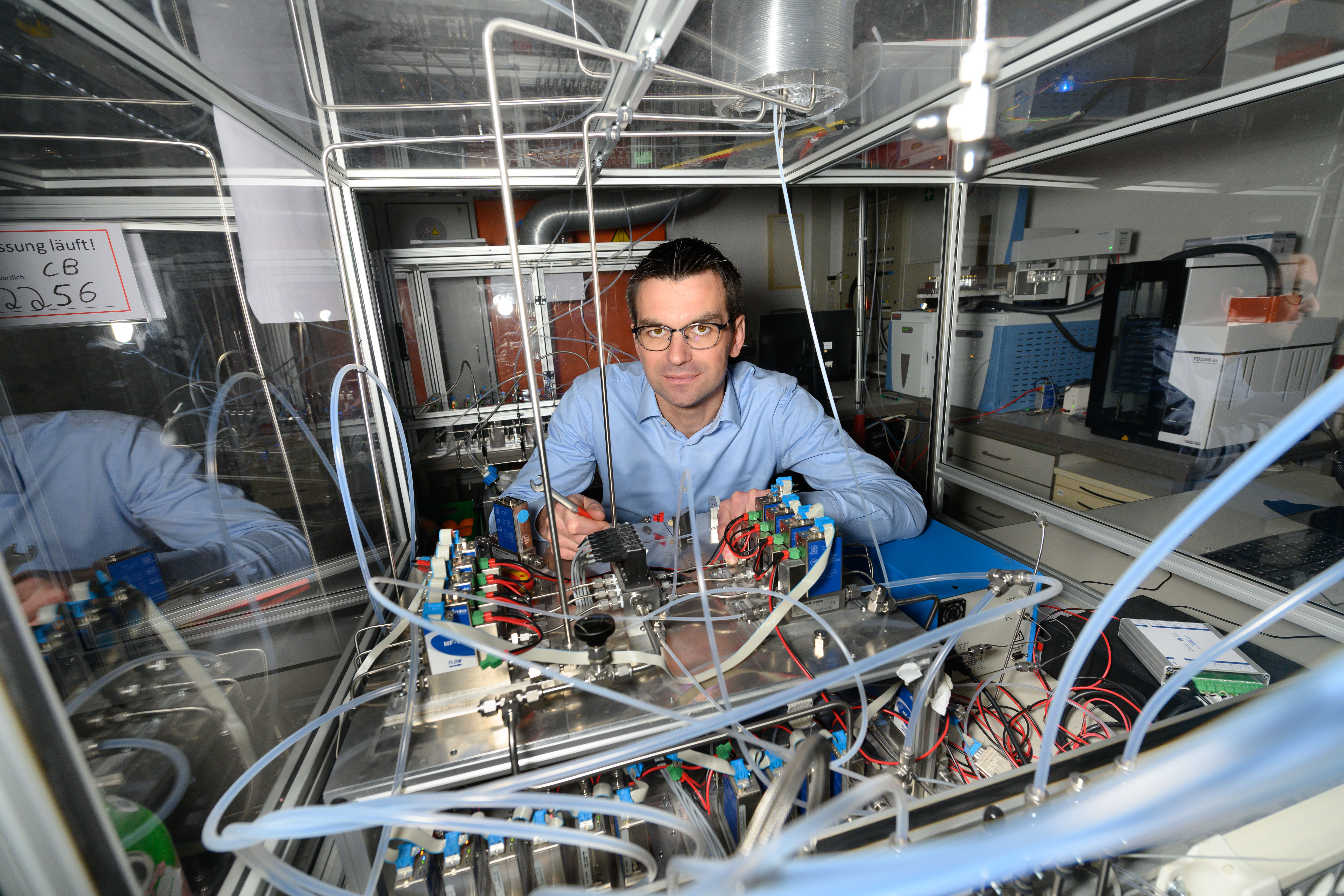
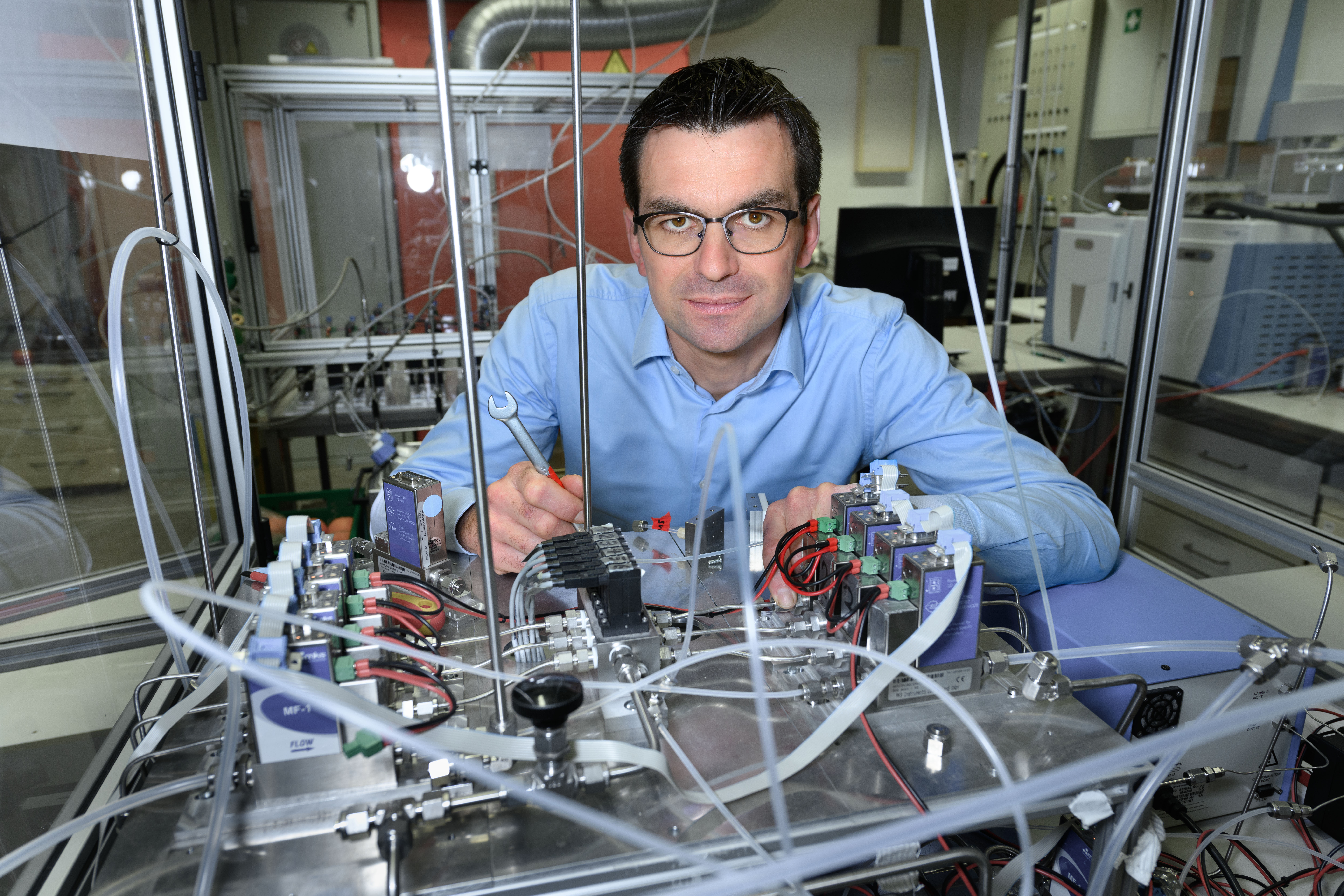
One of the main goals of the project is to support health and well-being using novel gas sensor technologies. The researchers are making use of a particular phenomenon in the body to do so. 'The body is constantly producing metabolic products that are released into the environment through the skin and breath,' explains Christian Bur, the postdoc who leads the medical gas sensor research team in Andreas Schütze's measurement technologies research group at Saarland University. The molecular compounds that the body releases into the air have distinctive characteristics, yet we are not usually able to smell them. Bur develops gas sensor systems that can take exact measurements of these volatile organic compounds.
The systems collect the substances from the air and identify them using artificial intelligence. Filtering out these substances is quite a feat, as they make up a very small part of the air in a space, meaning the substances need to be filtered out of an essentially endless amount of air particles. Christian Bur is a specialist in this type of gas sensor system and related machine learning approaches. The systems Bur and his team develop work like high-tech sensory organs, isolating individual molecules among billions in a room and measuring their concentration. Using machine learning techniques and the data collected by the sensors, the systems are able to identify the compounds. 'We are working with our industry partners to develop systems with novel gas sensor layers that have the capacity to continuously measure the concentration of targeted substances with very high accuracy using metal oxide semiconductor gas sensors,' explains Bur. Saarland University is receiving 1.2 million euros to fund the project.
SensorTech4Health project
The SensorTech4Health project brings together partners from academia and industry in the field of digital health. The international collaboration has received 15 million euros of funding from national agencies within the EUREKA Cluster Xecs. German project partners received funding from the Federal Ministry of Research, Technology and Space through VDI/VDE Innovation + Technik GmbH.
The industry partners working on the project are Bosch Sensortec (Germany), Robert Bosch GmbH (Bosch Corporate Research, Germany), Robert Bosch Oy (Finland), Intervall Beratung GmbH (Germany), Cochlear Technology Center (Belgium), VS Particle (Netherlands), Sintex (Czechia) and PulseOn (Finland). The academic partners are the Medical Center – University of Freiburg (Germany), Saarland University (Germany) and the National Institute of Mental Health (Czechia).
Questions can be addressed to:
Dr. Christian Bur
Tel.: +49 (0)681 302-2256, Email: c.bur(at)lmt.uni-saarland.de
Learn more at: https://sensortech4health.eu/
Press photographs:
Press photographs can be used free of charge with this press release or in connection with reports about Saarland University provided that a photo credit with the photographer's name is inclu