Information for
 Quick links
 Faculties


At the Science Forum on Thursday, 18 June, at 6 p.m., Professor Ganse will explore whether, and to what extent, the human body can withstand the strains of spaceflight – and what can be done to minimize the associated health risks. The University Society (Universitätsgesellschaft des Saarlandes e.V.) invites all interested parties to the Science Forum, which will be held in the Auditorium on the Saarbrücken campus (Building A3 3).
The following text has been machine translated from the German with no human editing.
Mars is the target – manned flights to the Red Planet are a hot topic in the media. Space agencies and space companies are preparing the technology for future missions. But have they reckoned without the human body? What are the medical challenges in space travel? What risks does the months-long journey to Mars entail, with its combination of weightlessness and radiation exposure? What long-term health consequences can be expected? What countermeasures are possible? What ethical considerations come into play? – The list of questions that arise alongside the technical challenges is long.
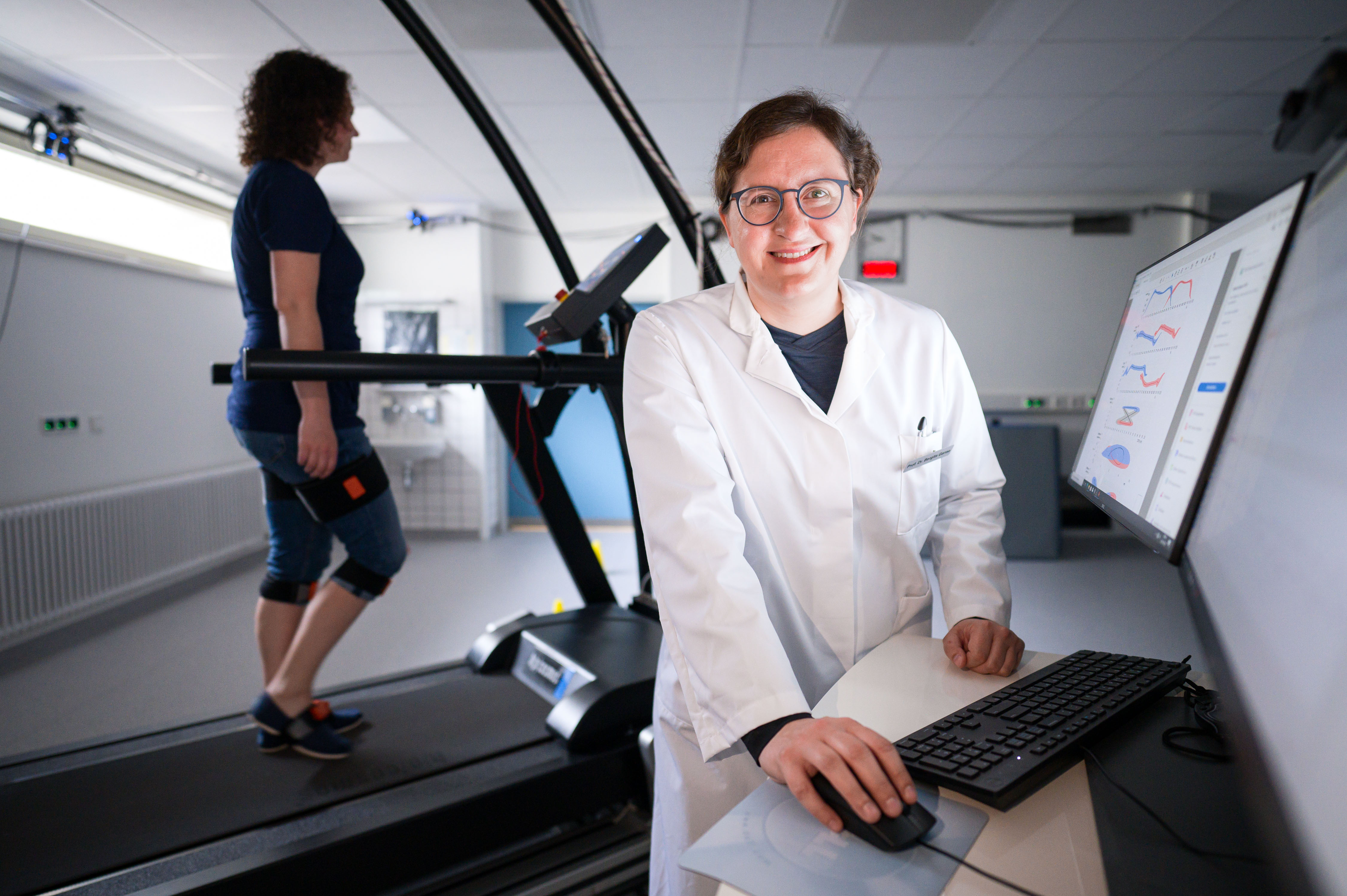
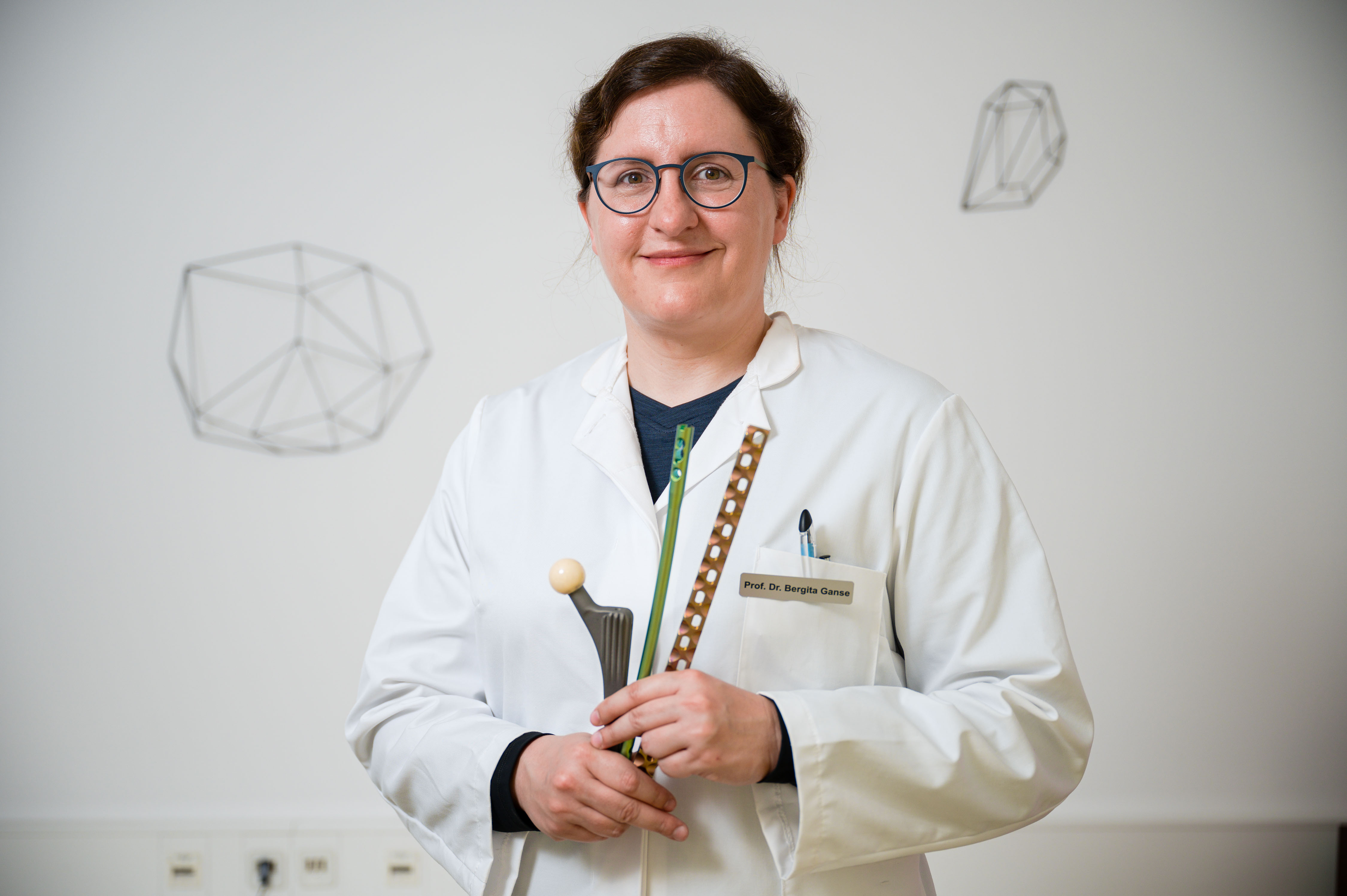
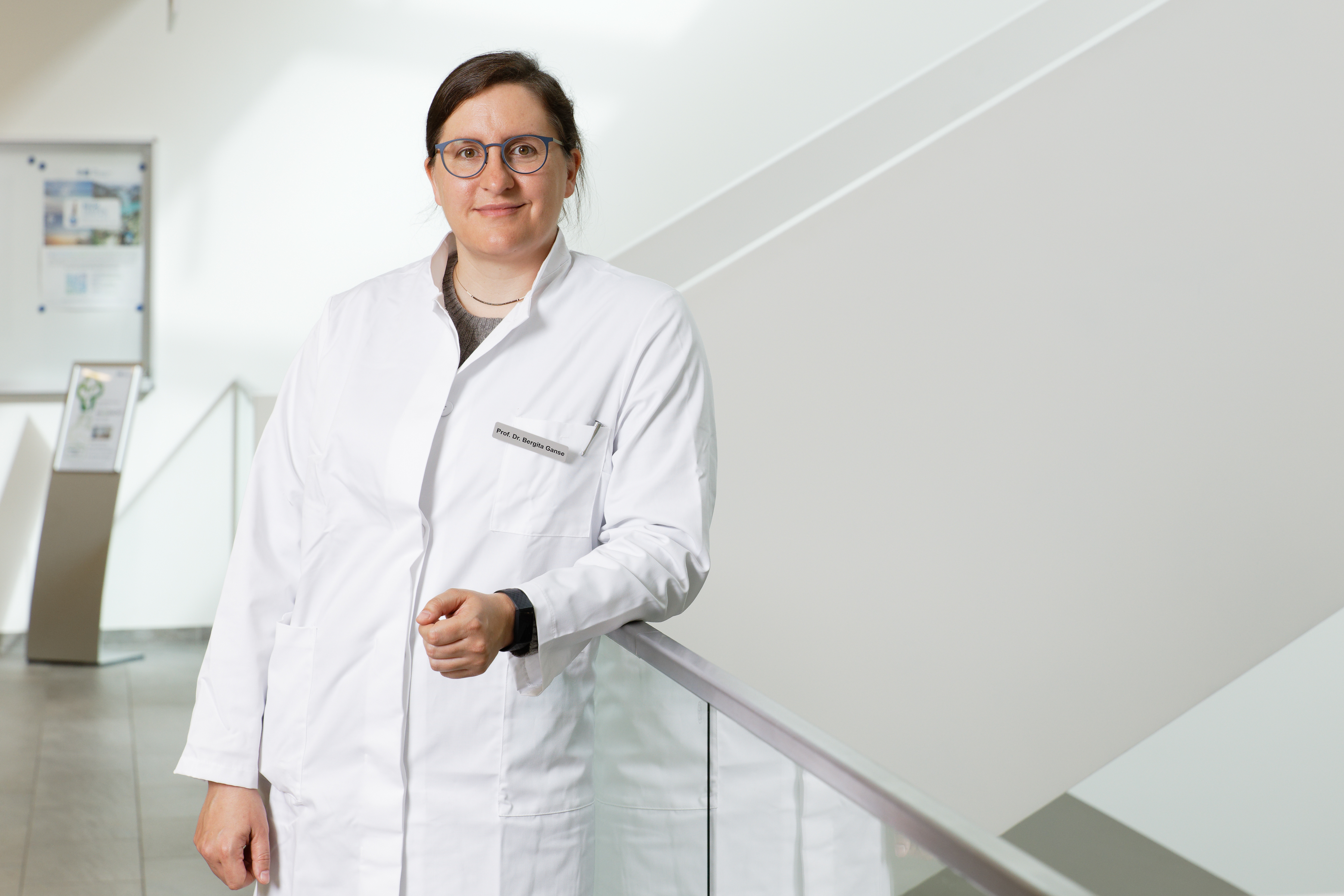
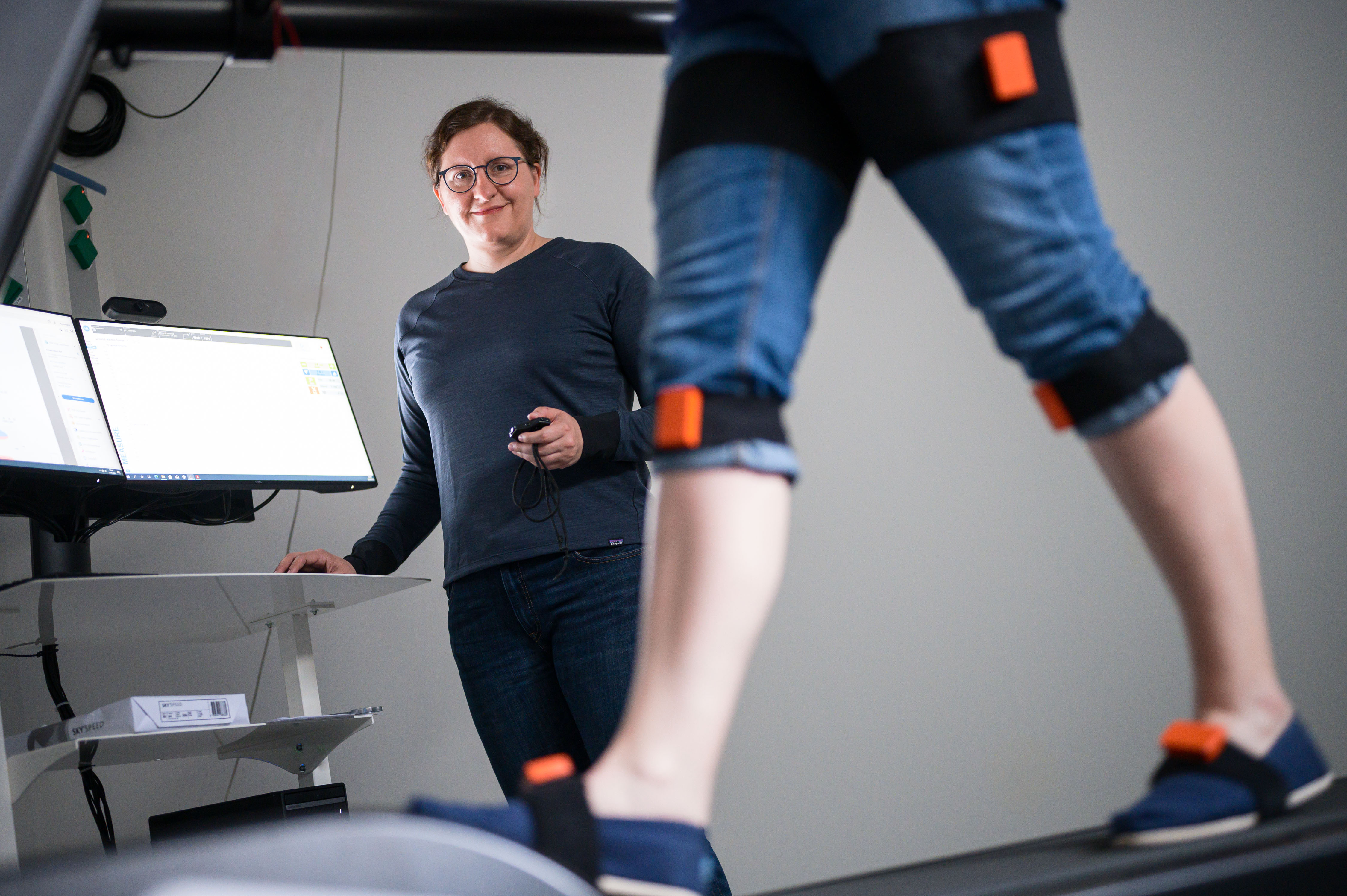
Bergita Ganse will be addressing these questions at the Science Forum on 18 June. She is a professor of Experimental Musculoskeletal Medicine at Saarland University – and one of the leading experts in the field of space medicine. For years, the specialist in physiology and orthopaedics and trauma surgery has been collaborating on research projects with, amongst others, the US space agency NASA, the European Space Agency (ESA) and the German Aerospace Centre (DLR). At the German Aerospace Centre ( ), she is researching, amongst other things, how astronauts on the International Space Station (ISS) can maintain their muscle mass and strength. The scientist is researching countermeasures to bone and muscle loss for future long-term missions as well as for patients on Earth. She has also published a popular science ‘Handbook for Aspiring Astronauts’ with Springer-Verlag.
Smart implants, fracture healing, immobilisation of injured or diseased body parts to promote healing, and performance decline during the ageing process are further areas of expertise for Bergita Ganse, who also leads the “Smart Implants” project, which is funded by the Werner Siemens Foundation to the tune of millions. Her research recently attracted international attention with a novel method for monitoring fracture healing using light, without X-rays. She and her team discovered that the healing process of bone fractures can be monitored using simple, light-based measuring devices to assess how the tissue at the fracture site is supplied with blood and how well the blood is oxygenated.
To help us plan, please register by emailing: unigesellschaft@uni-saarland.de
The Saarland University Society brings together researchers, university staff and students with the university’s sponsors and alumni, and forges links with business, politics and society. It supports doctoral theses and encourages young researchers, for example by enabling them to attend conferences or take part in competitions. https://www.unigesellschaft-saarland.de
For further information, please contact:
Prof. Dr. med. Bergita Ganse:
Tel.: +49 – (0) 6841 – 16 – 31570; Email: Bergita.Ganse@uks.eu
Press photos available for download:
You can find press photos on this news website:
https://www.uni-saarland.de/aktuell/wissenschaftsforum-raumfahrt-46902.html
You may use the press photos free of charge in connection with this press release and reporting on Saarland University, provided you credit the photographer.