 Information for
 Quick links
 Faculties


Studying with a disability or chronic illness
Making accessibility a priority, not an afterthought
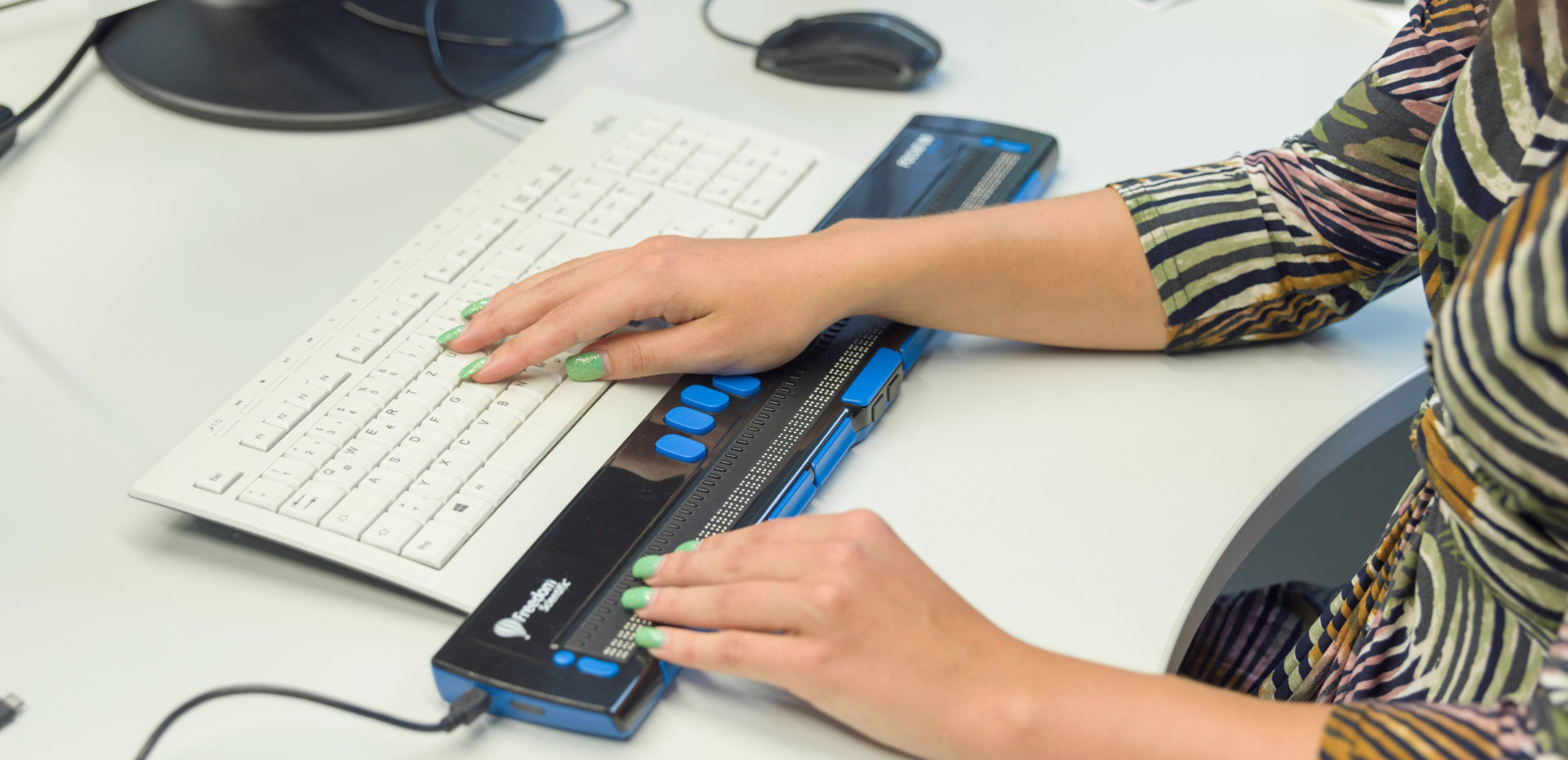
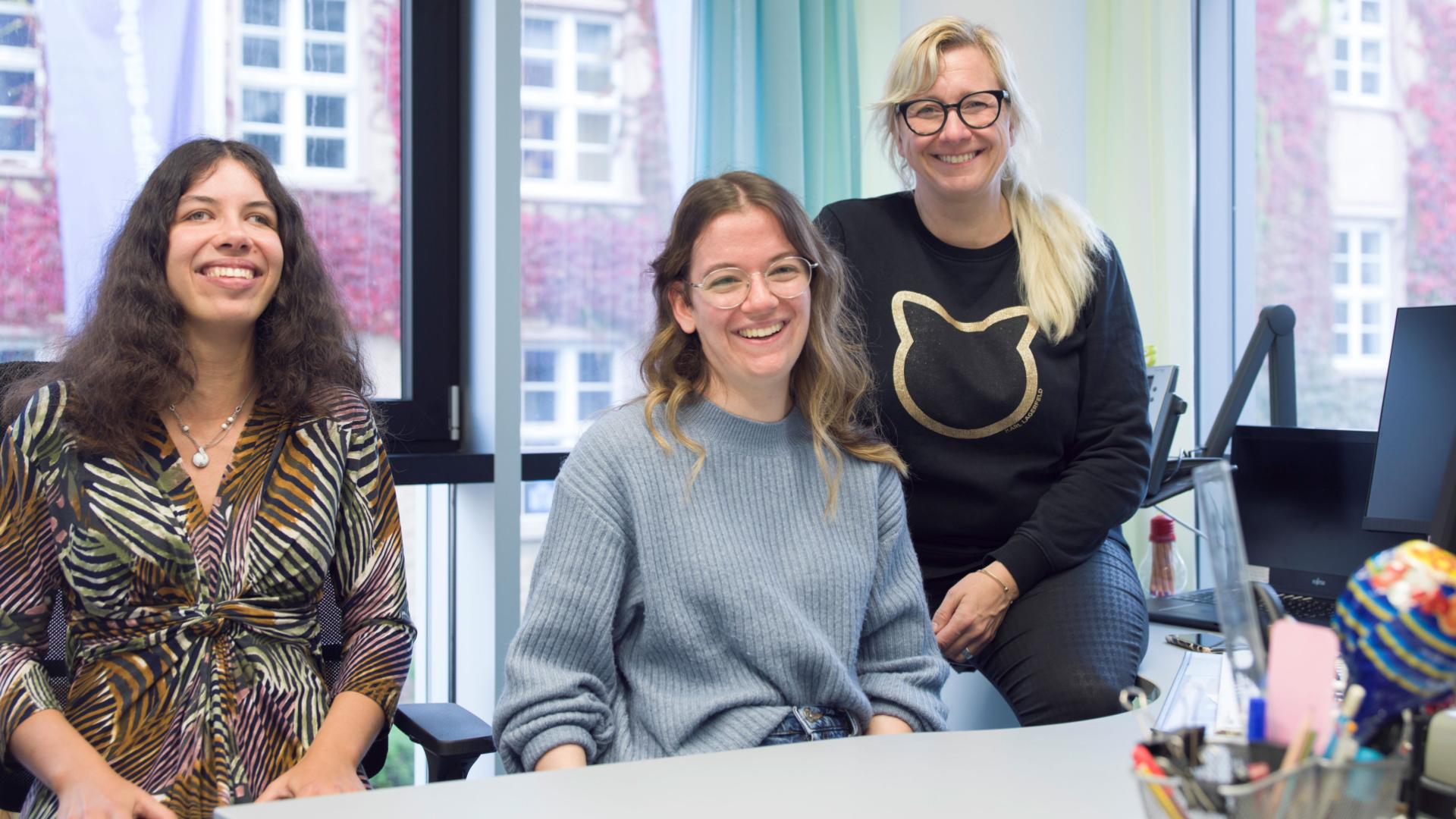
In the 'InklusionsGuides' project, women students and graduates with disabilities spend a year advising and sharing their expertise with partner organizations in order to improve accessibility and inclusivity and to tackle the barriers women with disabilities face in the workplace. At Saarland University, we benefited from the valuable input of Nina Becker and Deniz Erbug, who together with the university's then head of inclusion Michelle Froese-Kuhn, developed concrete measures to make the university a more accessible workplace for people with different needs. The key findings are presented in the handbook 'Inklusive Arbeitswelt' ('The Inclusive Workplace').