Information for
 Quick links
 Faculties


The project is being funded with a total of €865,000 by the European Regional Development Fund (ERDF) and the Saarland state government.
The following text has been machine translated from the German with no human editing.
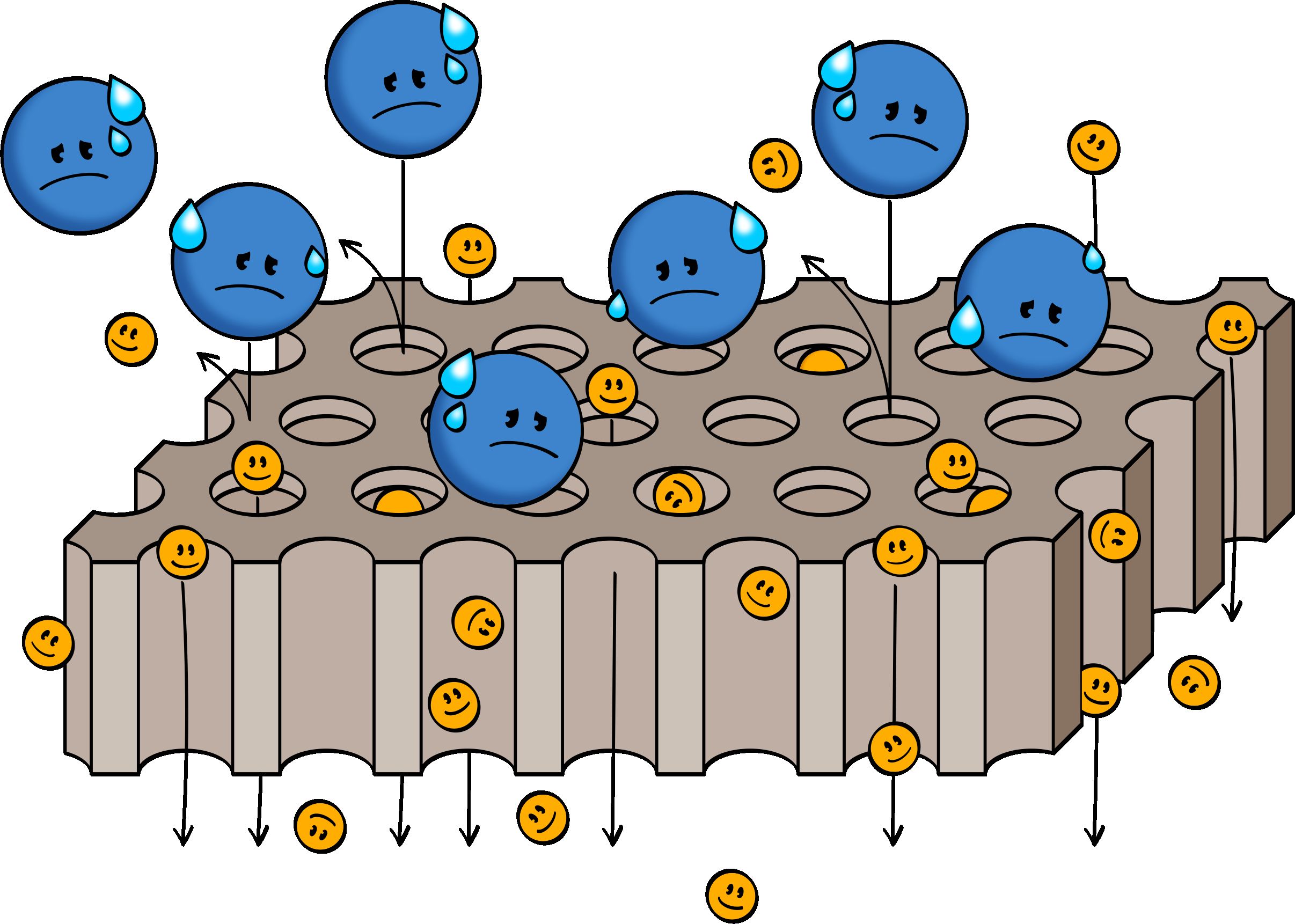
The focus is on the new development of so-called mixed matrix membranes on metal substrates, which, compared to conventional composite membranes, are manufactured at lower temperatures without losing their temperature resistance thanks to gentle manufacturing processes. Both approaches save energy in both the manufacture and regeneration of the filters and reduce CO₂ emissions. The result is a technology that both protects the environment and can reduce costs in industry in the long term. The excellent thermal stability of such membranes, coupled with their mechanical flexibility, will open up new applications. If membranes are developed that efficiently separate oil and water and can be easily regenerated, this will benefit the region's waterways, climate, research and industry alike.
At the scientific level, two research groups working on membranes and modern polymers are collaborating. At htw saar, Professor Matthias Faust's group is researching filtration processes and technical applications of membranes. At Saarland University, Professor Markus Gallei's group is developing so-called smart polymers that react to temperature or other environmental changes, making them particularly well suited for adaptable, sustainable filters.
As a regional partner from industry, inomat GmbH from Neunkirchen contributes more than 20 years of experience with innovative coatings and new nanotechnological materials. The certified company develops tailor-made solutions for various industries and stands for sustainable quality and environmental management.
The project shows how industry and research in the region can work together to develop solutions to current environmental issues. The project strengthens Saarland as a technology location and further expands cooperation between regional companies and universities.
Further information:
Prof. Dr. Markus Gallei
Tel.: (0681) 3024840
Email:markus.gallei(at)uni-saarland.de