Information for
 Quick links
 Faculties


The following text has been machine translated from the German with no human editing.
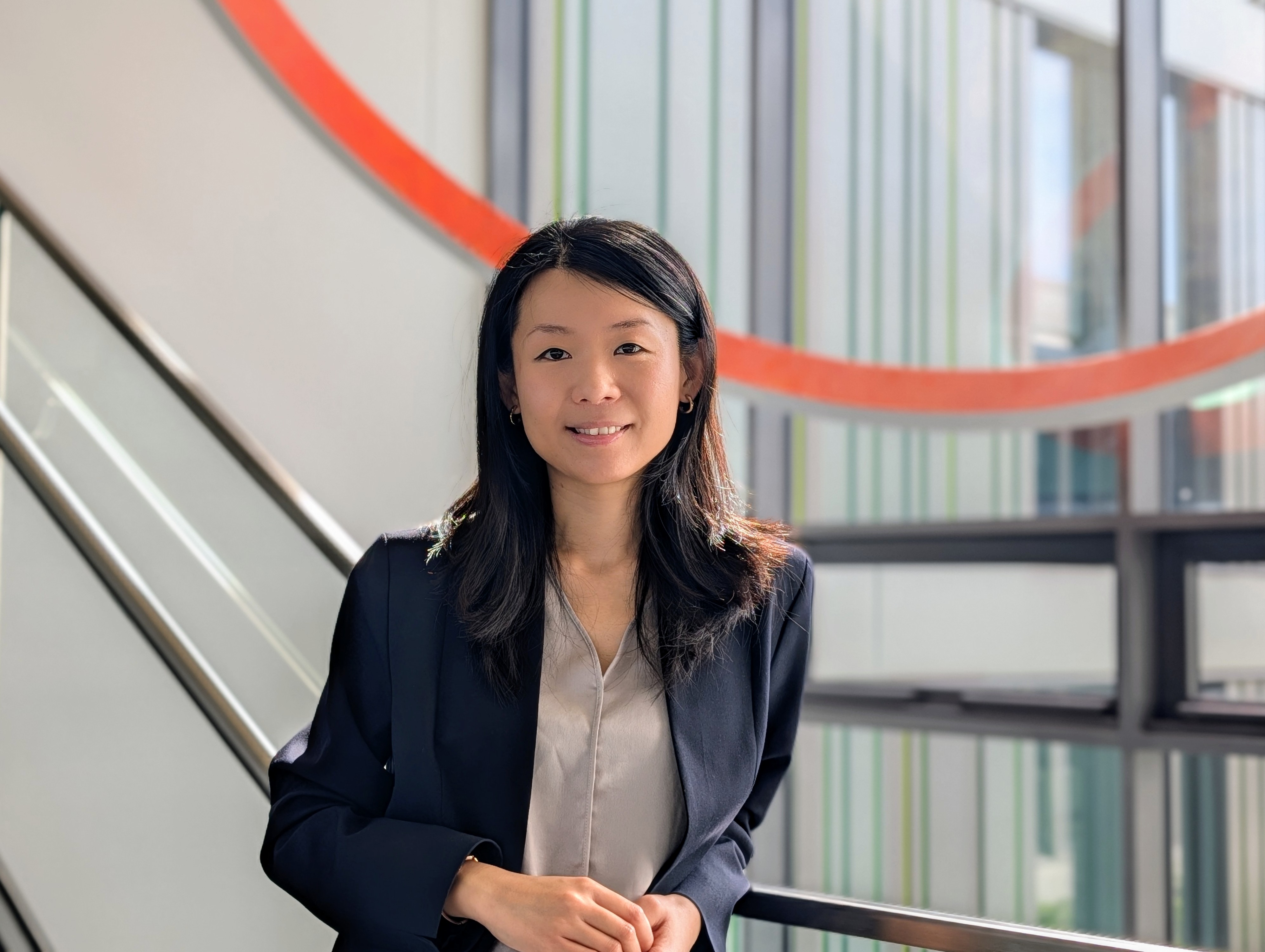
A central component of the body’s defence against cancer is the cytotoxic T lymphocyte (CTL), a specialised immune ‘killer cell’ that tracks down and destroys tumour cells. To perform this task, CTLs release toxic proteins stored in tiny cellular compartments known as lytic granules. For decades, it was assumed that these compartments were uniform, single-purpose containers – comparable to ‘bombs’ designed solely for destruction. However, recent work by Dr. Hsin-Fang Chang’s research group, supported by the consortium of the ERC Synergy Grant ATTACK, has fundamentally changed this view.
The team was able to demonstrate that these compartments represent highly differentiated, multifunctional centres. They have been defined as a distinct class and are now referred to as ‘multicore cytotoxic granules’ (MCGs). Rather than merely functioning as uniform toxin-filled compartments, these MCGs operate more like a cellular Swiss Army knife. In addition to the actual weapons for killing cancer cells, they simultaneously transport important signalling molecules such as cytokines and extracellular vesicles that can regulate the immune system. As a result, killer T cells possess a previously unknown functional flexibility. A single cell can adapt its attack in real time: it destroys tumour cells while simultaneously sending out signals to recruit further immune cells and specifically reprogramme the tumour microenvironment.
These highly complex cellular processes unfold differently in men and women, which affects both the incidence of certain cancers and the success of modern immunotherapies. Dr. Hsin-Fang Chang is now investigating these gender differences in a new project funded by the Else Kröner-Fresenius Foundation, entitled ‘Uncovering Sex-Linked Mechanisms of Cytotoxic T Cell Granule Heterogeneity in Tumour Immunity’.
Dr. Chang’s research aims to clarify whether biological sex influences how this multifunctional cellular toolbox is assembled and used. The focus is on the question of how sex hormones and genetic programmes shape the composition of MCGs in men and women. By unravelling these mechanisms of sex-specific immune flexibility, the project aims to pave the way for next-generation personalised cancer immunotherapy that is specifically tailored to the biological characteristics of men and women.
Background
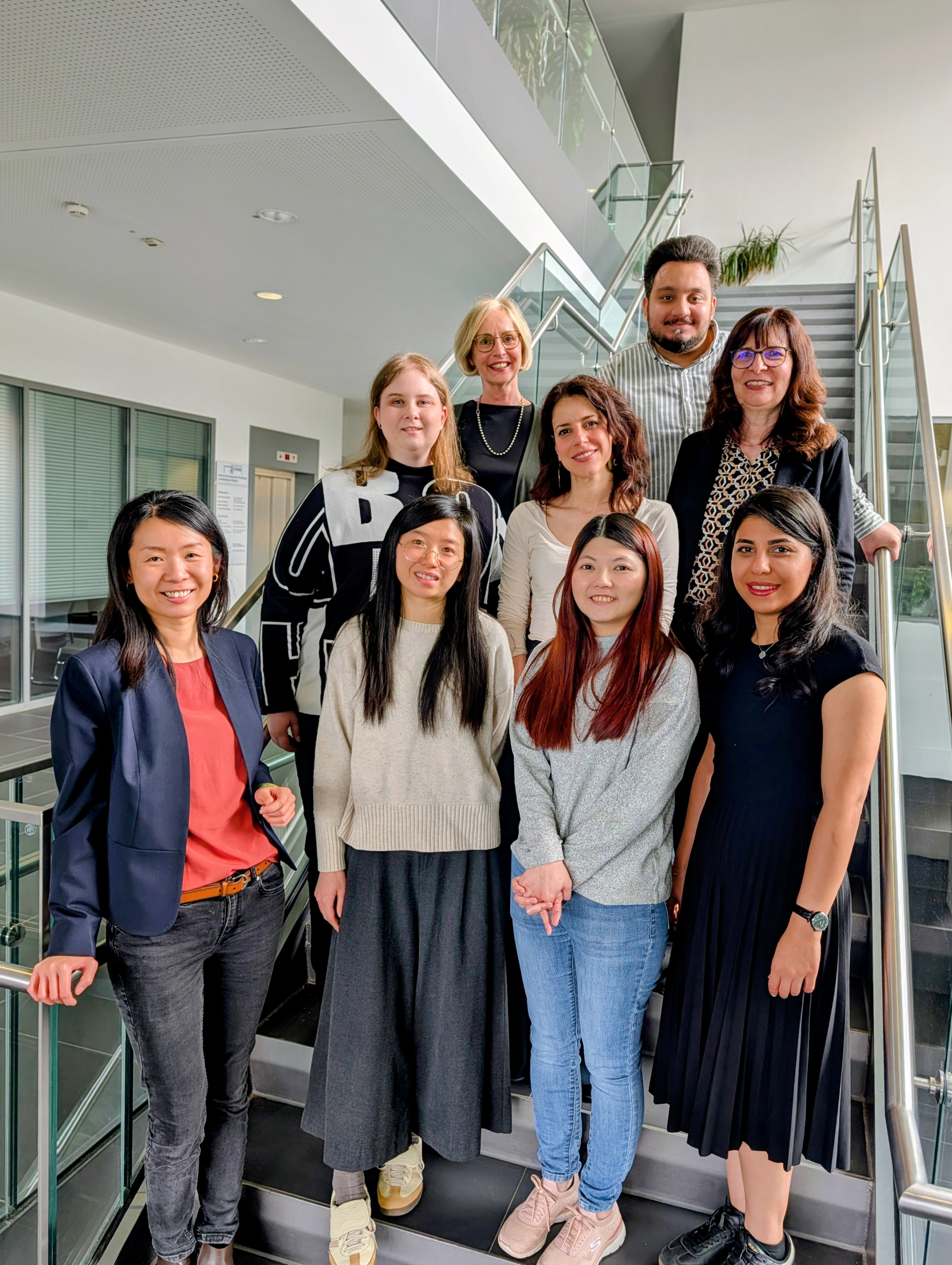
The Else Kröner-Fresenius Foundation (EKFS) is funding the project “Uncovering Sex-Linked Mechanisms of Cytotoxic T Cell Granule Heterogeneity in Tumour Immunity” over three years with a total of €330,000. The EKFS is one of Germany’s leading foundations supporting outstanding medical research with strong translational potential. The EKFS funding also enables the expansion of Dr. Chang’s research group in Homburg. As part of the project, a fully funded PhD position in the field of immunology and advanced imaging is currently being advertised (link to the advertisement).