Information for
 Quick links
 Faculties


The conference is hosted by the KI-Duett (Saarland University) and Digilehr (Chemnitz University of Technology) on the Saarbrücken campus, which are funded by the Foundation for Innovation in Higher Education. The opening lecture is open to all and it is possible to take part online.
Media are warmly invited.
The following text has been machine translated from the German with no human editing.
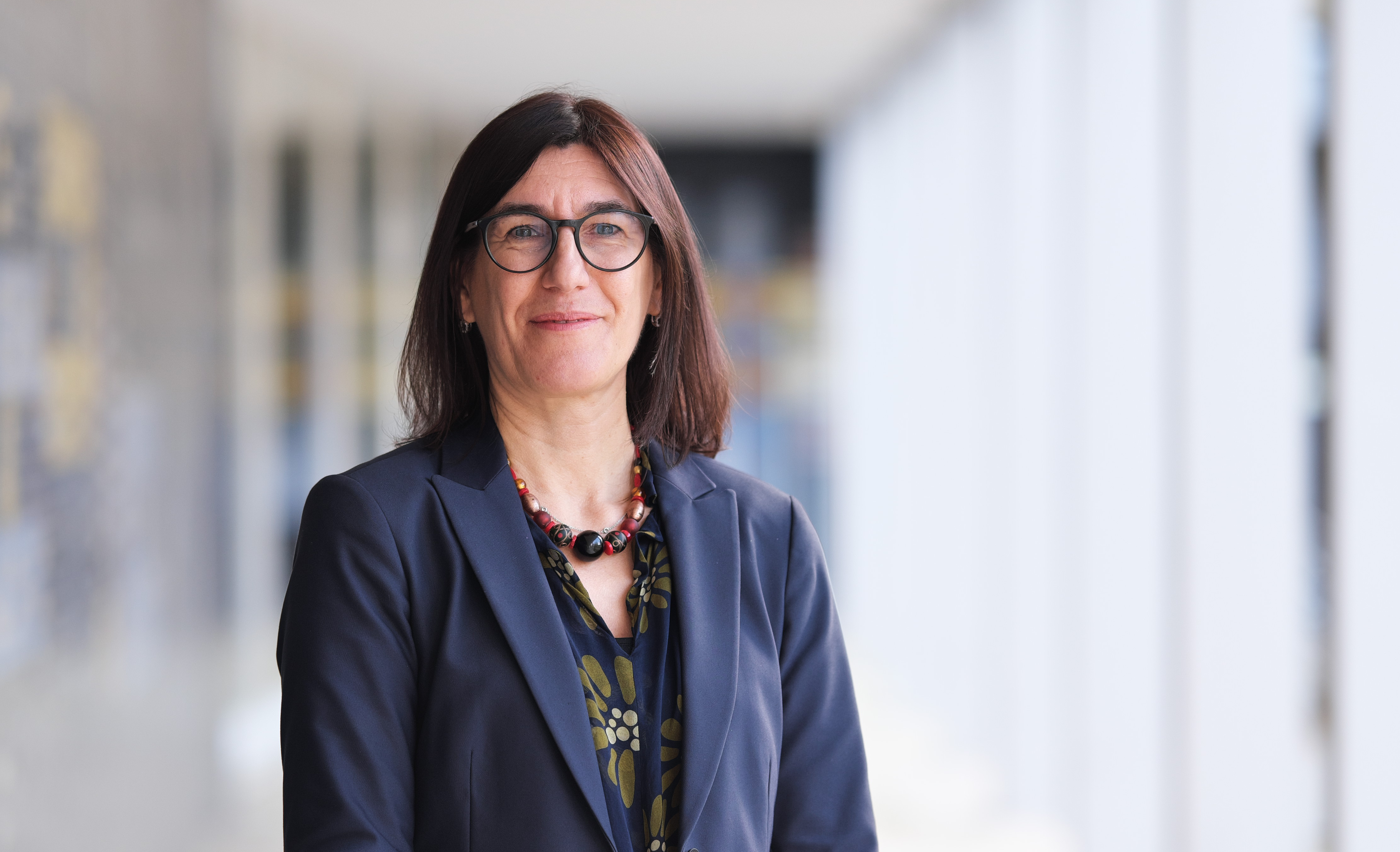
AI assistants such as ChatGPT are a natural part of everyday life for students who have grown up with the internet and smartphones – and therefore also of their studies. “It is important to use these new tools sensibly,” emphasises historian Cristina Andenna from Saarland University. “New technologies bring great benefits to higher education and academia. However, they also harbour risks for students, particularly if they use them incorrectly,” says the professor of medieval history. “It is important to us to provide sound support and guidance so that students learn to handle these new tools responsibly, use them to their advantage, maintain a critical perspective and recognise their limitations,” explains Cristina Andenna.
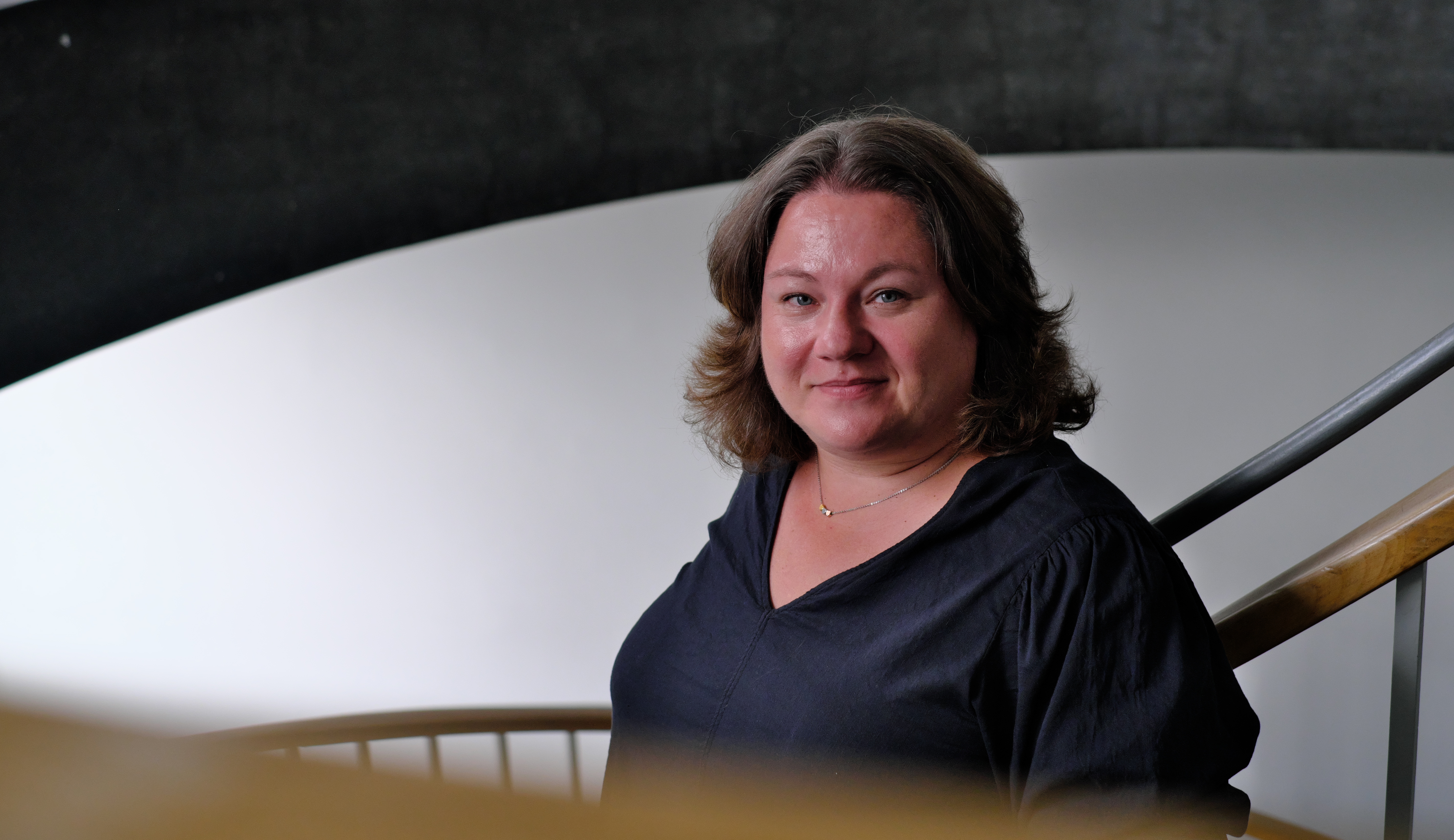
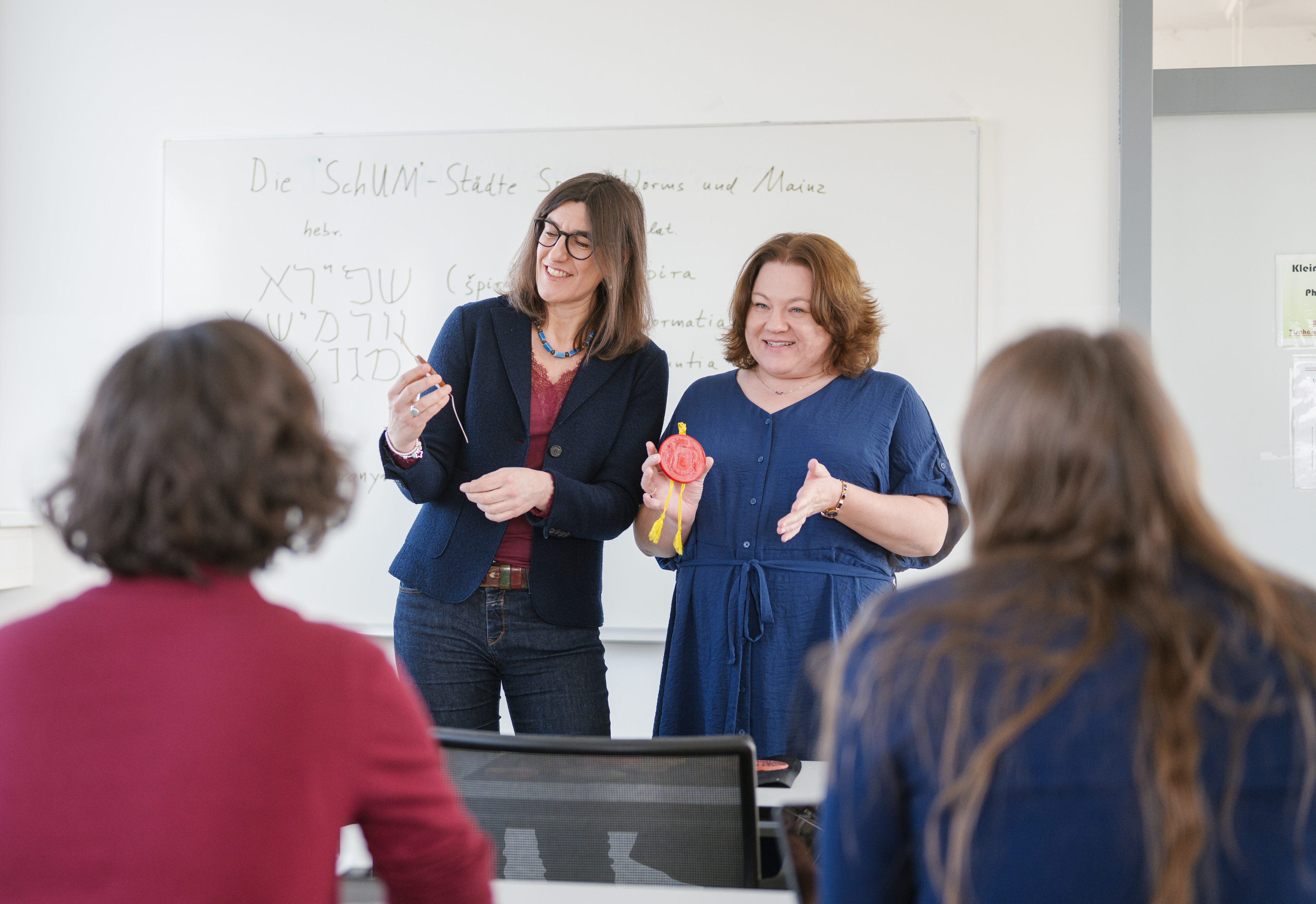
To gain concrete insights into what constitutes sensible use and what does not, Andenna has launched the AI Duet project in collaboration with historian Miriam Weiss at Saarland University. “It is an experimental teaching project,” explains Miriam Weiss. “Through self-experimentation and research , we are working with students in a seminar to explore where and how AI language models lead to good results and ideas in higher education, where the limits lie, and where their use becomes scientifically dangerous,” says the historian, who has a doctoral degree. The aim is to raise awareness of the issues and provide the tools needed to use the technology creatively. The Foundation for Innovation in Higher Education is funding the AI Duet project as part of the ‘Freiraum’ funding programme – as well as the Digilehr project at Chemnitz University of Technology: there, medieval historian Professor Martin Clauss is working with historians Christoph Pretzer and Avi Friederich to investigate how digital tools can be used effectively in higher education. Both projects are working with students to develop new teaching and learning formats. They are based in the field of history, but their findings are intended to be applicable beyond the boundaries of the discipline.
The KI-Duett and Digilehr projects are jointly hosting a conference from 10 to 12 June under the theme ‘New tools – new approaches’. Twenty-six experts from the fields of History and Educational Science who specialise in the use of digital tools in teaching and learning, as well as numerous students involved in these projects, will present research findings on digital tools and innovative ideas for university-level history teaching. Among other things, the focus will be on how new technical possibilities can complement teaching: alongside AI-based chatbots, for example, through new interactive teaching and learning formats such as AI-generated explanatory videos, audio formats, or VR and AR headsets that overlay digital content onto the real world, thereby making historical objects in digital collections accessible in new ways or transporting users entirely back to earlier times.
Conference participants will discuss emerging challenges and the changing role of lecturers, as well as the limitations of digital tools in teaching. How learning processes function, and what role technology can play in this from a perspective of Educational Science, will form part of the discussion, as will the legal aspects of AI use.
Students play a key role in the conference. “The student perspective is particularly insightful for us as lecturers in this field,” emphasises Professor Cristina Andenna. “If we want to provide high-quality teaching for the young target group that meets the technical standards of students, we must involve them as experts and give them the space to help shape the teaching,” she explains. Several lectures will be delivered jointly by lecturers and students. On Thursday afternoon, there will be a dedicated workshop led by students from the Germany-wide Digital Change Makers initiative for lecturers, focusing on expectations and opportunities regarding AI in higher education.
There will also be a large poster exhibition featuring students who will be on hand during the conference to answer questions about their findings. “Around 30 students will be presenting creative teaching formats they have developed using artificial intelligence, such as a newspaper covering the content of a course or an escape room with educational content,” says Miriam Weiss. “The digital tools are particularly well suited to motivating both students and lecturers and enriching teaching with new ideas. This is also a key initial finding of our AI Duet project, which will run until 2027,” says the historian.
The conference begins on Wednesday evening, 10 June, at 6 pm, with a public lecture at the Innovation Center (A2 1) on the Saarbrücken campus: Anika Limburg, Director of the Bildungscampus Saarland, a person who has a doctoral degree in German Language and Literature and is an expert in the use of AI in teaching, will take a look at the current state of AI in higher education and draw “an interim conclusion with open-ended possibilities”. On 11 and 12 June, the conference will take place at the German Research Center for Artificial Intelligence (DFKI, Campus D3 2).
Those interested can also participate online.
Please register at: gico00001(at)stud.uni-saarland.de
Conference programme: https://www.uni-saarland.de/lehrstuhl/andenna/ki-in-forschung-und-lehre/veranstaltungen
The Foundation for Innovation in Higher Education is sponsoring the conference, which is being held in cooperation with the DFKI.
For further information, please contact:
Prof. Dr Cristina Andenna, Saarland University, Chair of History of the Early and High Middle Ages: Tel.: 0681/302-3312, Email: cristina.andenna(at)uni-saarland.de
Dr Miriam Weiss: Tel.: +49 681 302-2373, Email:miriam.weiss(at)uni-saarland.de
Press photos available for download:
Press photos can be found on this news website:
https://www.uni-saarland.de/aktuell/tagung-ki-im-geschichtsstudium-46894.html
You may use the press photos free of charge in connection with this press release and reporting on Saarland University, provided you credit the photographer.