Information for
 Quick links
 Faculties


The symposium will feature talks, discussions and hands-on workshops, and seeks to foster dialogue between research and practice.
The following text has been machine translated from the German with no human editing.
Artificial intelligence in medicine is not a distant future project, but already part of everyday life in hospitals, doctors' surgeries and healthcare. AI is used in numerous applications and will play an even greater role in the future. Its ability to quickly evaluate large amounts of data and recognise patterns that are difficult for humans to detect can help to detect diseases earlier, better tailor therapies or develop new drugs more quickly. AI can analyse X-ray images, compare blood values and predict how a disease will develop – and it learns and improves as it is used. For doctors, it is increasingly becoming a tool that can support them in their decisions. It can also be used to improve and accelerate processes in the healthcare system in the long term.
But the use of AI also raises questions: How can we understand how a machine arrives at its results? Who is responsible if an recommendation is wrong? And how can patient data remain protected? In order to exploit the opportunities offered by AI for medicine while limiting the risks, dialogue between Computer Science, medicine and society is needed. The symposium "AI and Medicine" on 16 and 17 January in Homburg aims to promote this dialogue once again. Following on from 2023, the event will provide a forum for discussion and new collaborations for the second time. Participants will have the opportunity to network with experts from research, clinical practice and industry.
The programme: from fundamentals to ethics
During the symposium, experts from research laboratories and treatment rooms will discuss current developments, as well as challenges and open questions.
The symposium will begin on 16 January at 3:30 p.m. with an introduction to the fundamentals of artificial intelligence research and development and its role in medicine today and in the future. Experts will explain basic AI processes and show how algorithms learn and why data quality is crucial. This will be followed by visions for the future and specific projects, such as how AI can convey attention and empathy, or how it can be used in drug development, image-based diagnostics and therapy, or clinical practice.
On the second day, 17 January, presentations starting at 9 a.m. will initially focus on AI-based image interpretation and how algorithms can help to automatically evaluate X-ray and CT images and detect serious diseases such as metastases and aneurysms at an early stage. The use of AI for more precise diagnoses in dentistry will also be presented. In addition, the programme will cover applications in everyday clinical and practice settings, drug models that calculate how active ingredients might work, context-driven digital assistants for treatment support, examples of AI use in paediatrics and ophthalmology, and how digitalisation and AI are changing the work of general practitioners.
The topics of ethics and responsibility will be the focus from 1:40 p.m. The question of trust in AI as well as in the treating staff will be examined. Cybersecurity and liability issues in the use of AI in medical practice will also be discussed ( ).
From 2:45 p.m., participants can choose one of five practical workshops on the following topics: "Cognipanion Real-World Laboratory Car" (a project involving a new type of human-vehicle interaction that aims to enable vehicles to respond better to humans through contactless monitoring), "Data Literacy – How to use AI effectively, from prompt to problem solving," "The role of the Hippocratic oath in the age of AI," "Explainability of AI – How machine decisions become understandable," and "From the sickbed to code to better care: How health data can change its purpose."
Health.AI: A network for innovation in medicine
In addition to the initiators of the format, Professor Wolfgang Reith (Saarland University and University Medical Centre) and Professor Christian Schorr (DFKI), the Health.AI network is also behind the symposium this time. Health.AI brings together over 180 partners – from universities and clinics to companies and health insurance funds. The aim is to harness the opportunities offered by AI for healthcare. The Federal Ministry of Research, Technology and Space is supporting the alliance with around 14 million euros in the "WIR! – Change through Innovation in the Region" programme. Numerous projects under the umbrella of Health.AI are researching how AI-supported technologies can improve prevention, diagnosis and therapy. This involves not only technology, but also ethics, data security and the question of how people are involved in development.
Programme and registration online at https://ki-symposium-homburg.de
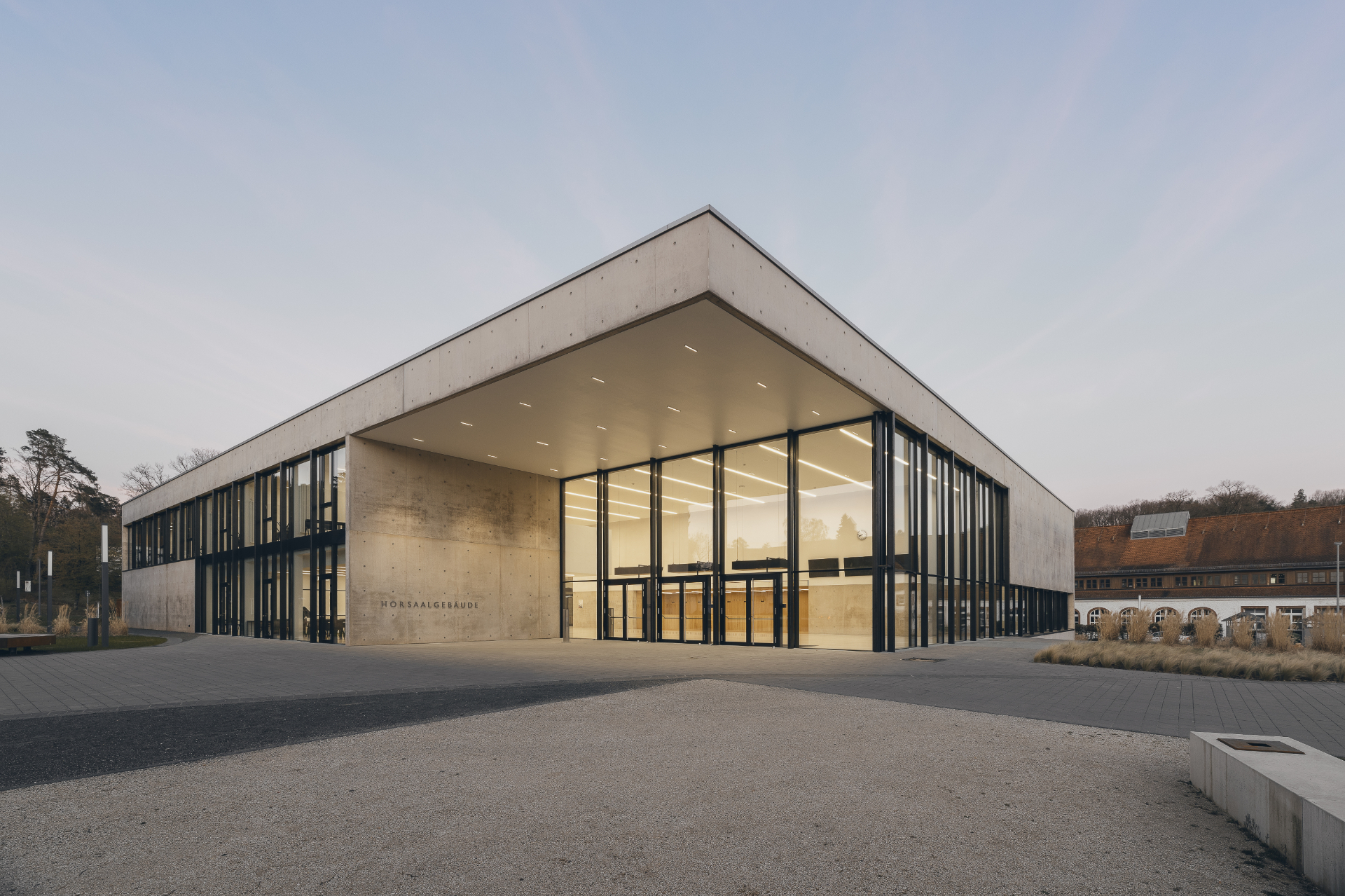
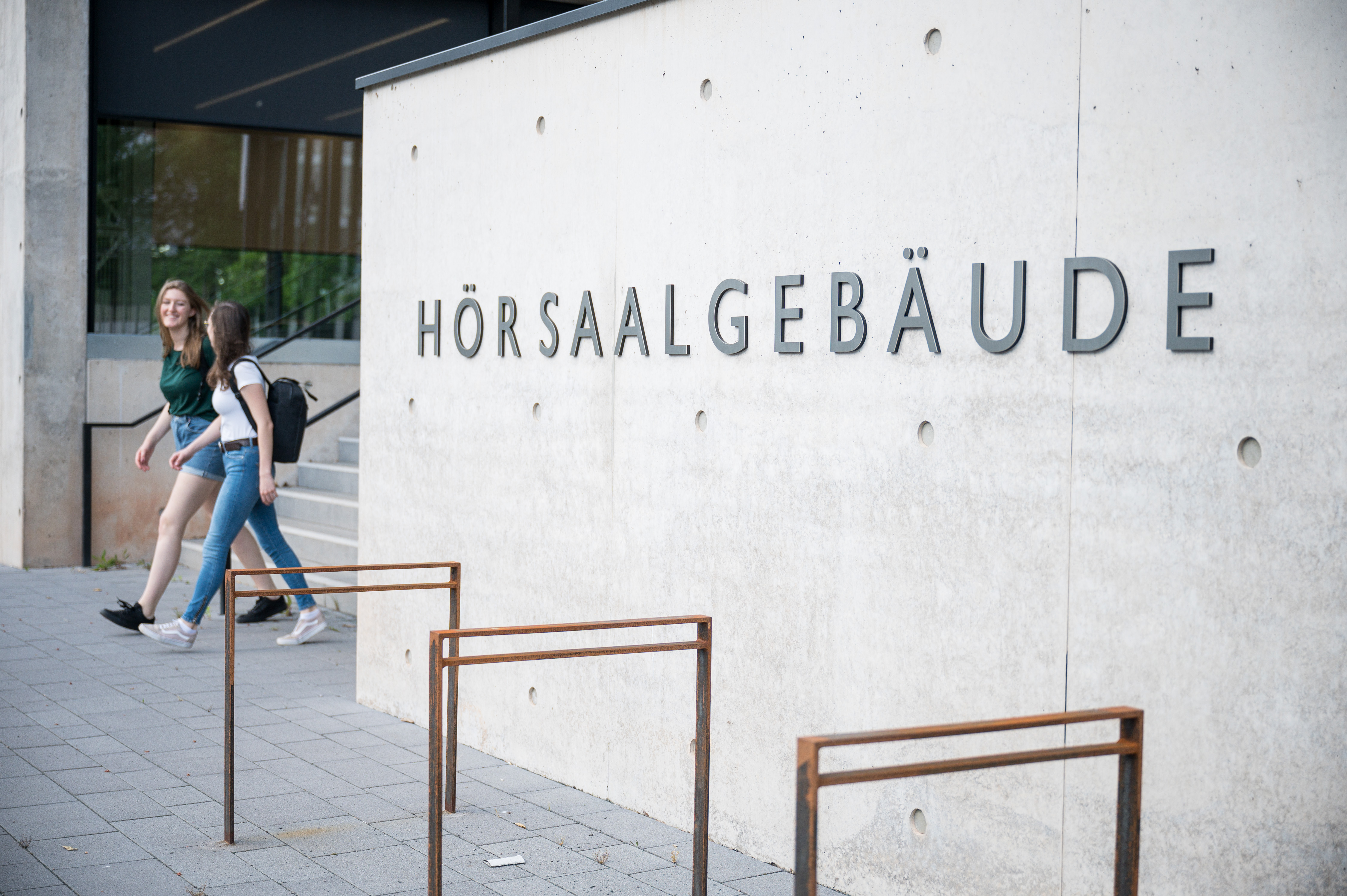
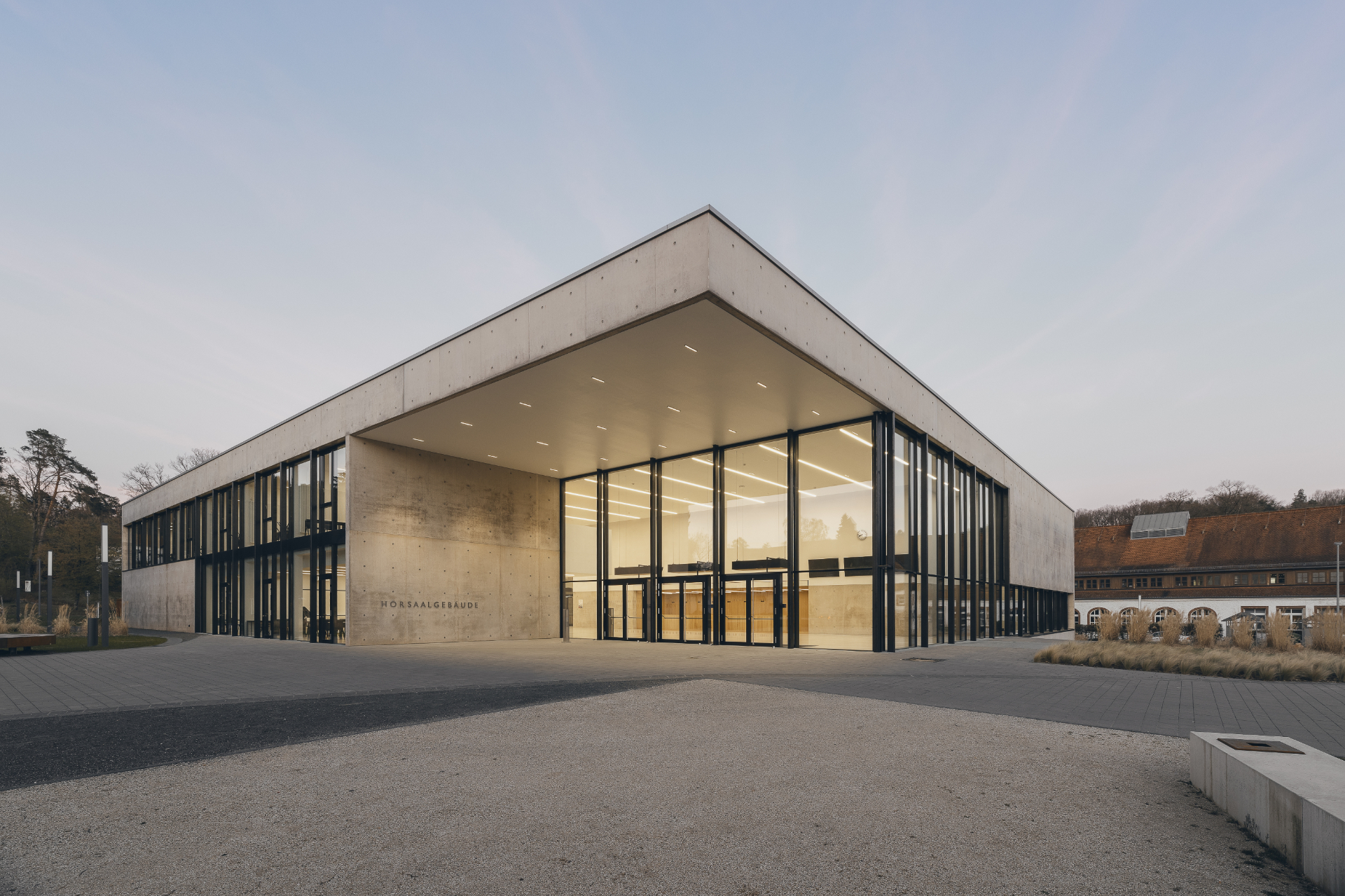
The symposium will take place on the Medical Campus in Homburg in Lecture Hall Building 35. Participation fees will be charged, but Saarland University employees and students will receive a reduced ticket price. The venue is wheelchair accessible, and free childcare will be provided for participants. An application has been submitted to the Saarland Medical Association for the event to be recognised as continuing medical education for doctors (CME points).
Questions will be answered by:
Prof. Dr. Wolfgang Reith, UDS/UKS Neurology, telephone: 06841-1624300;
Email:Wolfgang.Reith(at)uks.eu
Prof. Dr Christian Schorr, DFKI: Telephone: 0681 - 85775 5314;
Email: Christian.Schorr@dfki.de
Prof. Dr. Tobias Hartmann, Health.AI: Telephone: 0681-302-75022;
Email: tobias.hartmann@mx.uni-saarland.de
Press photos available for download:
Press photos can be found on the Health.AI website: https://health-ai.de/fotos
and on this news website.
You may use the press photos free of charge in connection with this press release and reporting on Saarland University, provided you credit the photographer.