Information for
 Quick links
 Faculties


Saarland is funding the project with one million euros from the ERDF regional development funds.
The following text has been machine translated from the German with no human editing.
Invitation to the media
On Friday 24 July from 10:00 a.m. to 11:30 a.m., Jürgen Barke, Saarland's Minister for Economic Affairs, Innovation, Digitalization and Energy, will be learning about the 'BIOSTART' project. Media representatives are invited to take part in a laboratory tour at the Institute for Systemic Biotechnology (Building A1 5), during which three current research projects will be presented. Master's students are also involved in these projects:
- Nylon from wood waste
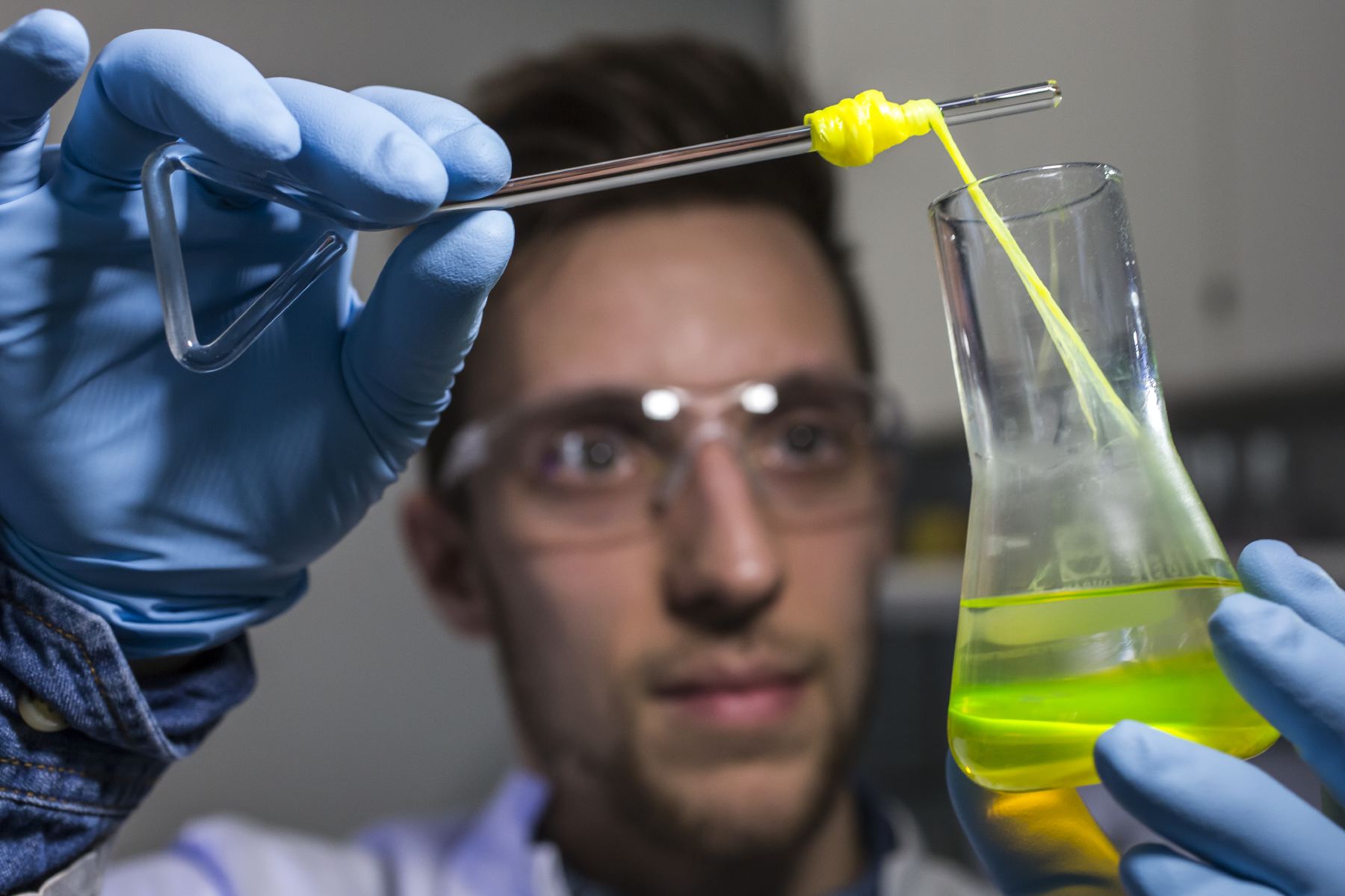
- Biopigments as a substitute for environmentally harmful paints
- Biotechnologically produced omega-3 fatty acids
--------------------------------------------
'There is great potential for innovation and entrepreneurship in the university's science and technology subjects. However, students in these fields have so far had little opportunity to actively engage with the possibilities offered by such innovations, right through to setting up a start-up,' says Benedikt Schnellbächer, Professor of Digital Transformation and Start-up Entrepreneurship, explaining the motivation behind the BIOSTART project. This four-year project, funded by the European Regional Development Fund, has brought together interdisciplinary teams for this purpose. Pairs of Master's students – one from biotechnology and one from business administration – spent a semester brainstorming ideas as to which prototype from a cell factory would be suitable for eventually being brought to market as a product or process.
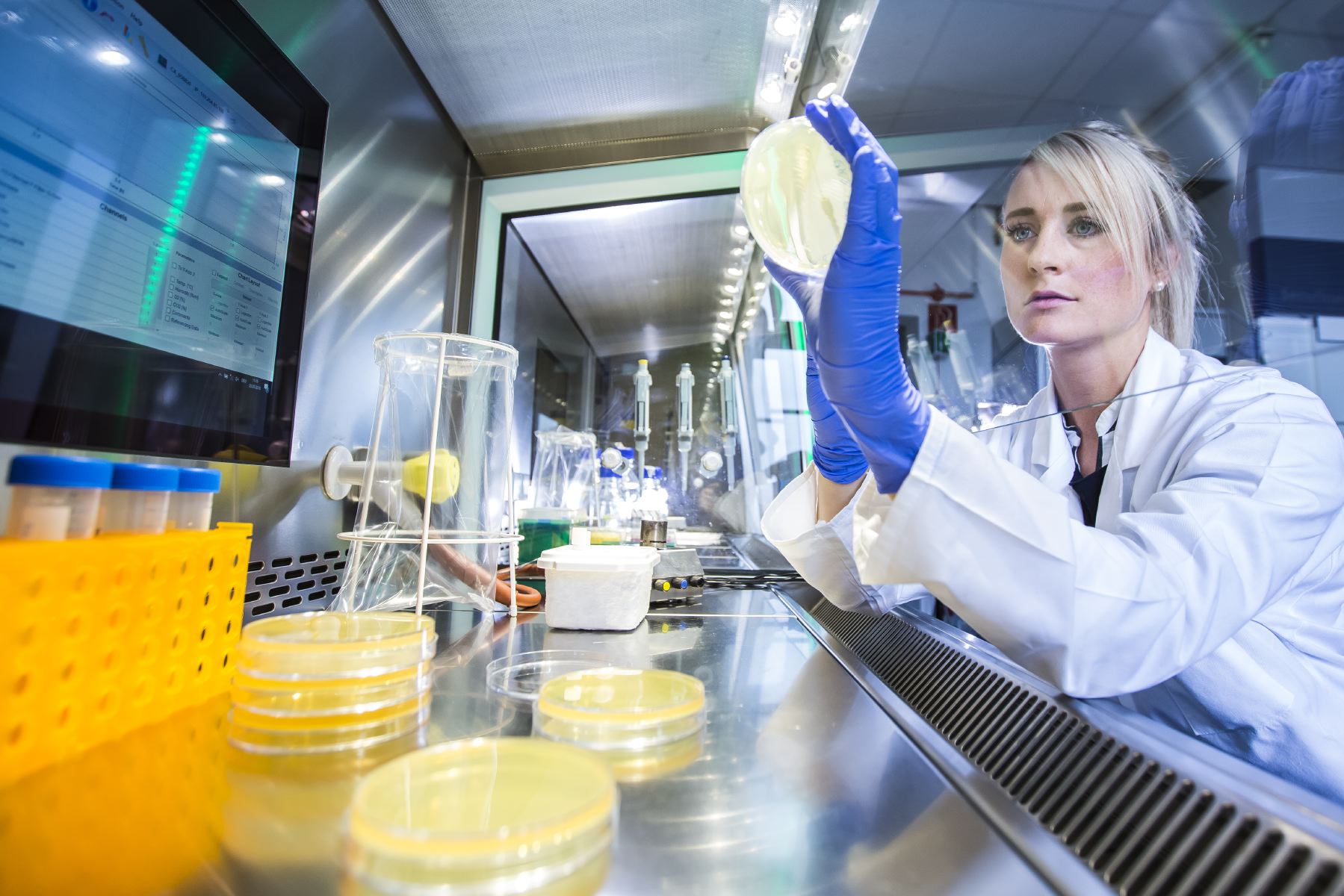
Biotechnology and the cell factories developed within it provided an ideal testing ground, as Christoph Wittmann, Professor of Systems Biotechnology at Saarland University, has already carried out pioneering research in this field. In many cases, this research is close to industrial application. 'In our cell factories, we can use living microorganisms such as bacteria and yeasts to produce valuable substances biologically. This allows, for example, complex waste streams to be broken down and converted into high-quality chemical compounds and materials – entirely without the use of fossil resources,' explains Christoph Wittmann.
One of his research projects also focuses on replacing industrial dyes and pigments – which have so far had a significant impact on the environment – with biopigments. 'In the laboratory, researchers engineer microorganisms with metabolic pathways that enable them to synthesize specific dyes efficiently and reproducibly,' explains the biotechnologist. He works closely with Andriy Luzhetskyy, who conducts research as Professor of Pharmaceutical Biotechnology at Saarland University and the Helmholtz Institute for Pharmaceutical Research Saarland (HIPS), and is also involved in the BIOSTART project. His research focuses on microbial natural products research, which aims to discover new active substances and produce them with the help of microorganisms.
'The potential of this research is clear. The aim of the 'BIOSTART' project is to open up a new field of research to students with backgrounds in business administration and biotechnology, so that they can contribute their expertise to interdisciplinary teams, learn from one another and come up with new ideas together,' says Benedikt Schnellbächer. For biotechnology students, it is also enriching to learn about career paths beyond large industrial companies. 'Thanks to the seminar, some have decided to go on to do a Ph.D. in order to delve even deeper into their specialist field and explore market potential,' says the start-up expert.
Further information:
Master's Seminar in Biotech Entrepreneurship
For enquiries, please contact:
Prof. Dr. Benedikt Schnellbächer
Digital Transformation and Start-ups
Tel.: +49-681-302-70810
Email: benedikt.schnellbaecher(at)uni-saarland.de