Information for
 Quick links
 Faculties


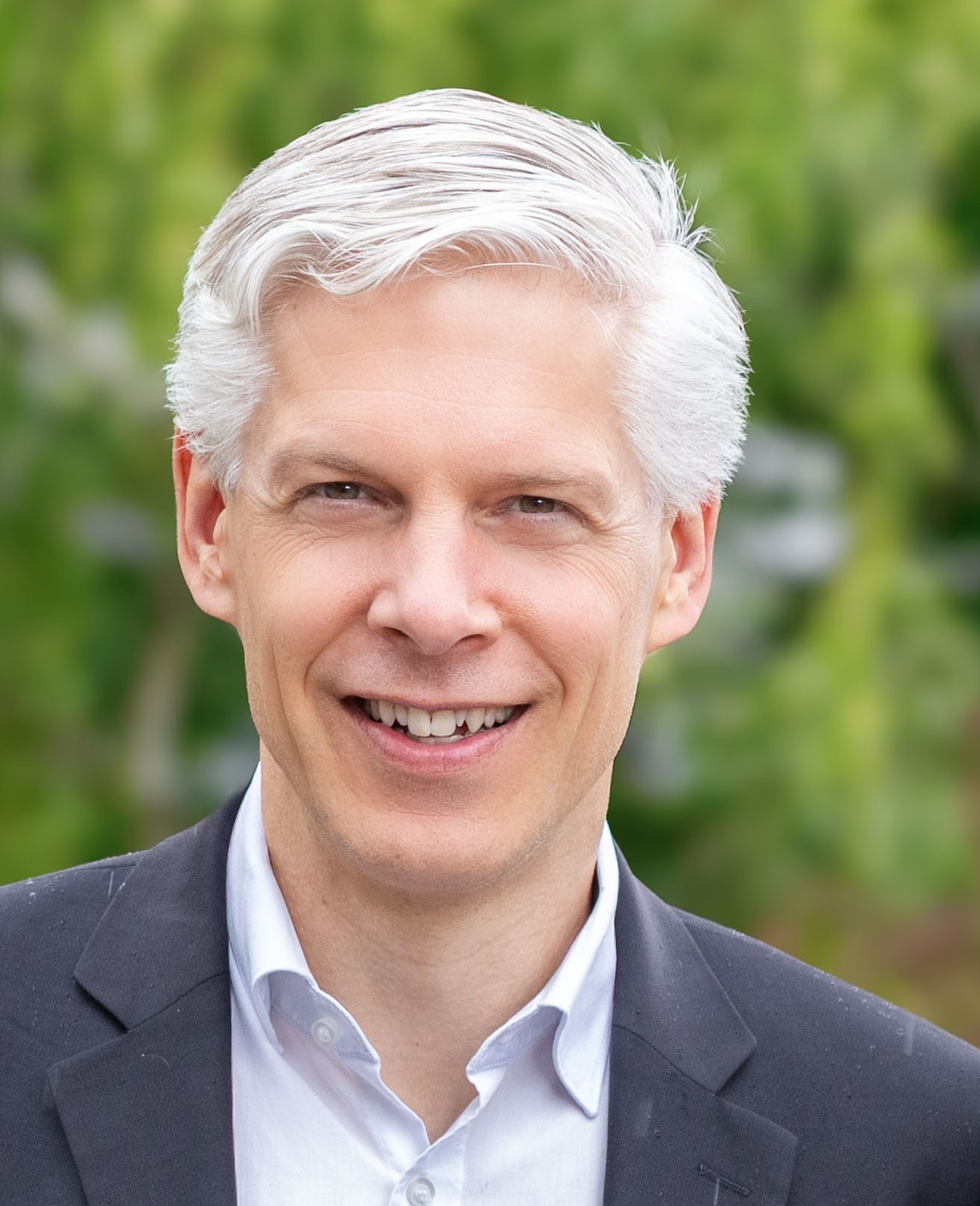
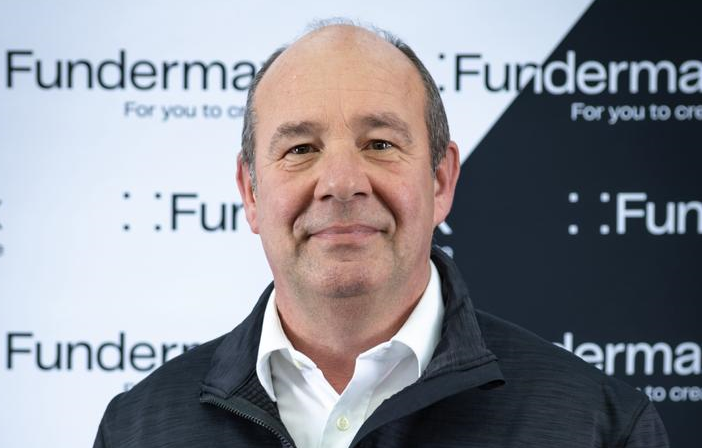
At the public lecture, Thomas Graf from Fundermax GmbH and Professor Wilfried Weber from the Leibniz Institute for New Materials will present examples of these special types of material.
Tuesday, 13 January 2026, 4:30 p.m. to approximately 7:30 p.m., Aula auditorium at Saarland University (Building A3 3), Saarbrücken Campus. Admission is free, but we request that you register to attend in advance.
The following text has been machine translated from the German with no human editing.
In his lecture, Thomas Graf from Fundermax GmbH will highlight how industry can combine the ecological advantages of bio-based materials with high technical performance: He will present a newly developed biofibre wood-based panel that does not require synthetic resins from fossil raw materials. It uses the natural resins of the wood as a binding agent, is produced using renewable energy and is completely compostable at the end of its life cycle.
Living materials as a new class of intelligent materials are the subject of the presentation by Professor Wilfried Weber, Scientific Director of INM – Leibniz Institute for New Materials and Professor of Materials Science and Engineering at Saarland University. In the new materials, living cells are combined with classic materials. This creates systems that can perceive their environment, adapt, repair themselves or form hierarchical structures. Applications range from living construction materials and self-refilling drug depots to sensors and actuators in robotics.
The programme is complemented by a company exhibition and a poster session featuring student work. The regional forum is organised by Saarland University, the German Society for Materials Science (DGM) and Triathlon.
Admission to the event in the auditorium of Saarland University (Building A3 3) is on Tuesday, 13 January 2026, at 4.30 p.m., with the lectures starting at 5 p.m. Interested parties are cordially invited to attend; admission is free. Please register by 9 January at: www.regionalforum-saar.de
Background:
In times of climate crisis, resource scarcity and growing awareness of health and the environment, new classes of materials are coming into focus: bio-based and living materials can help replace fossil raw materials, reduce emissions, close cycles and, at the same time, enable functions that are hardly achievable with conventional materials. In construction, medical technology and sensor technology in particular, they are opening up new avenues for the sustainable design of society and infrastructure.
The Regional Forum Saar is the annual expert forum for Materials Science and Engineering in Saarland and offers industry representatives and scientists from the materials sector, as well as interested parties, a diverse network and current specialist lectures and discussions on selected key topics in the academic field.
The scientific side is represented by the Materials Science and Engineering departments of Saarland University together with the non-university research institutions of the Leibniz Association (INM), the Fraunhofer Society (IZFP), the Steinbeis Foundation (MECS) and the University of Applied Sciences (HTW).
Representatives from industry (metals, plastics and ceramics) will have the opportunity to network with experts in the key topics as well as with young scientists from the university's academic field in the form of a poster exhibition of current master's and bachelor's theses.
Further information: http://www.regionalforum-saar.de
Responsible: Prof. Dr.-Ing. Frank Mücklich, Prof. Dr. mont. Christian Motz
Questions answered by:
Dr.-Ing. Sebastian Slawik
Saarland University
Chair of Functional Materials
Email: organisation@regionalforum-saar.de
Tel.: +49 681 302-70515
You may use the photos free of charge in connection with this press release and reporting on Saarland University, provided you credit the photographer.