 Information for
 Quick links
 Faculties


The event is open to the media as well as the public and will also be livestreamed.
The following text has been machine translated from the German with no human editing.
The Institute for Legal Informatics at Saarland University, together with partners from the Industry 4.0 platform, will present the results of an unusual court hearing on 18 March. The underlying case does not yet exist in the real world. But comparable cases will come. Contracts that are created without human intervention will soon be part of everyday life for many companies: machines will order spare parts, organise transport or arrange repairs. It is foreseeable that some things will go wrong. This raises the question: who is responsible? This is precisely what the simulation study is about.
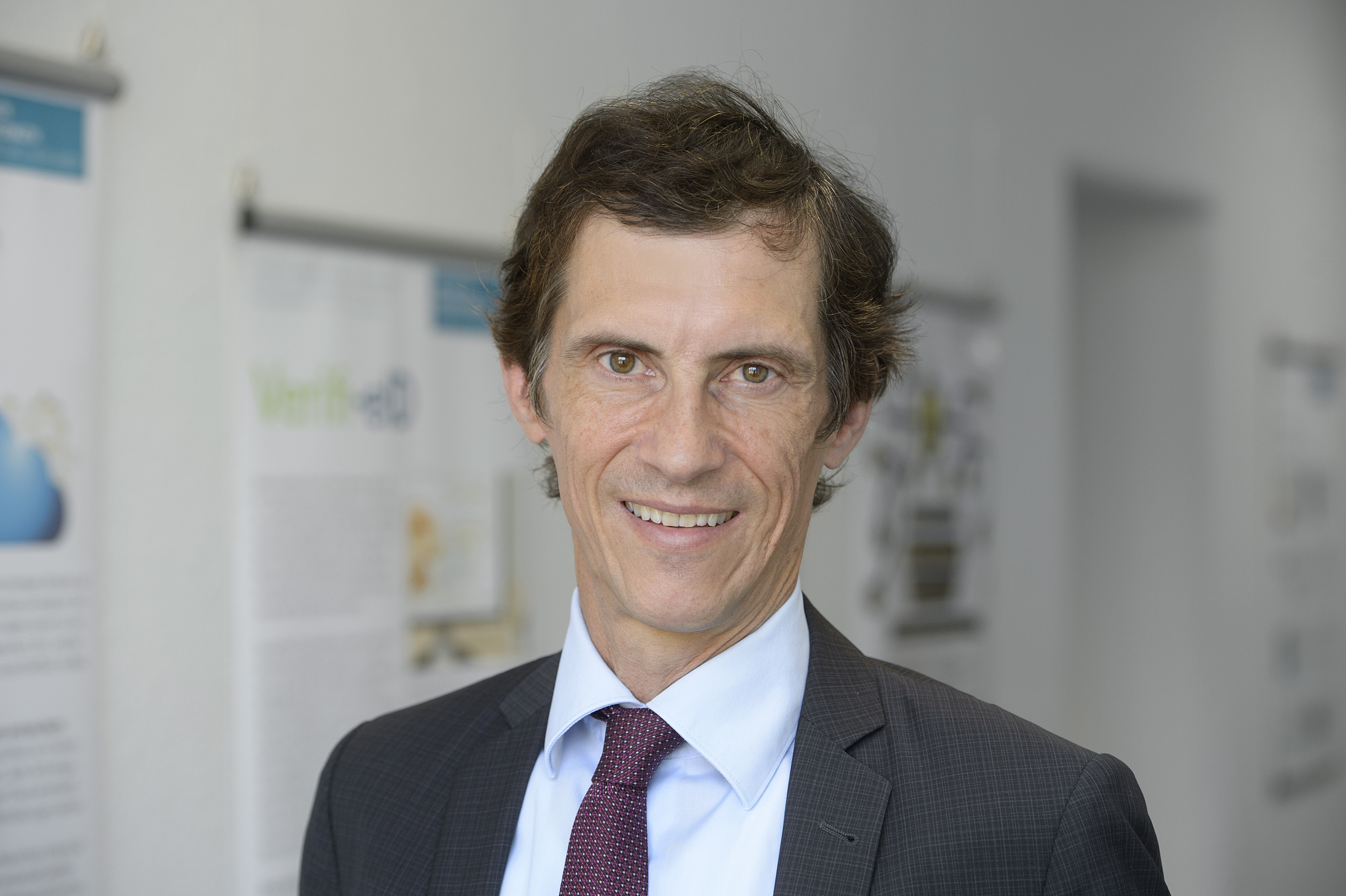
The team, led by Professor Georg Borges, simulated a complete court case. Real judges, real lawyers and real experts were involved. The proceedings took place before the fictitious 'Südlingen Regional Court', which was created solely for this study. From start to finish, the case was treated as if it were a real legal dispute: a laboratory for the digitalisation of industry. This is the first experiment of its kind in Germany.
The simulation study allows practitioners to clearly understand the risks and solutions. The proceedings focused on automated contracts that will be concluded via online platforms in the future: machines negotiate with machines and reach agreements, complain about defects, and trigger orders or payments. The simulation study illustrates how a court can examine disputes in this context. The documentation of the proceedings comprises several hundred pages and film recordings of the simulated hearing. A short film was also produced.
The study is supported by the Federal Ministry for Economic Affairs and Energy (BMWE). It is part of the 'Industry 4.0 Legal Testbed' project, which is also funded by the Federal Ministry of Economics.
The event in Frankfurt am Main (Thurn-und-Taxis-Platz 6) will be broadcast live online on 18 March from 3 p.m. Participation is possible after registration on site and online. The event is aimed at representatives from business, science, the media and anyone involved in digital production, automated processes or the consequences for legal standards.
Registration by email to: jonesday.frankfurt.invite@jonesday.com
Further information is available at https://simulationsstudie.rechtsinformatik.saarland
Questions will be answered by:
Prof. Dr Georg Borges: 0681/302-3105; email: ls.borges@uni-saarland.de
https://www.rechtsinformatik.saarlandes – Institute for Legal Informatics
https://legaltestbed.org - Industry 4.0 Legal Testbed project
Press photos available for download:
You may use the press photos free of charge in connection with this press release and reporting on Saarland University, provided you credit the photographer.
