Information for
 Quick links
 Faculties


The following text has been machine translated from the German with no human editing.
Carbon is the basis of our civilisation. The past millennia have been characterised by the use of fossil raw materials, from wood to coal, oil and gas in the industrial age. Carbon has been used in particular for energy and heat generation. But carbon is also indispensable as a raw material for industrial processes. For example, plastics are made from oil, and coal and graphite are also used as raw materials for carbide chemistry, for example to produce abrasives on a large scale.
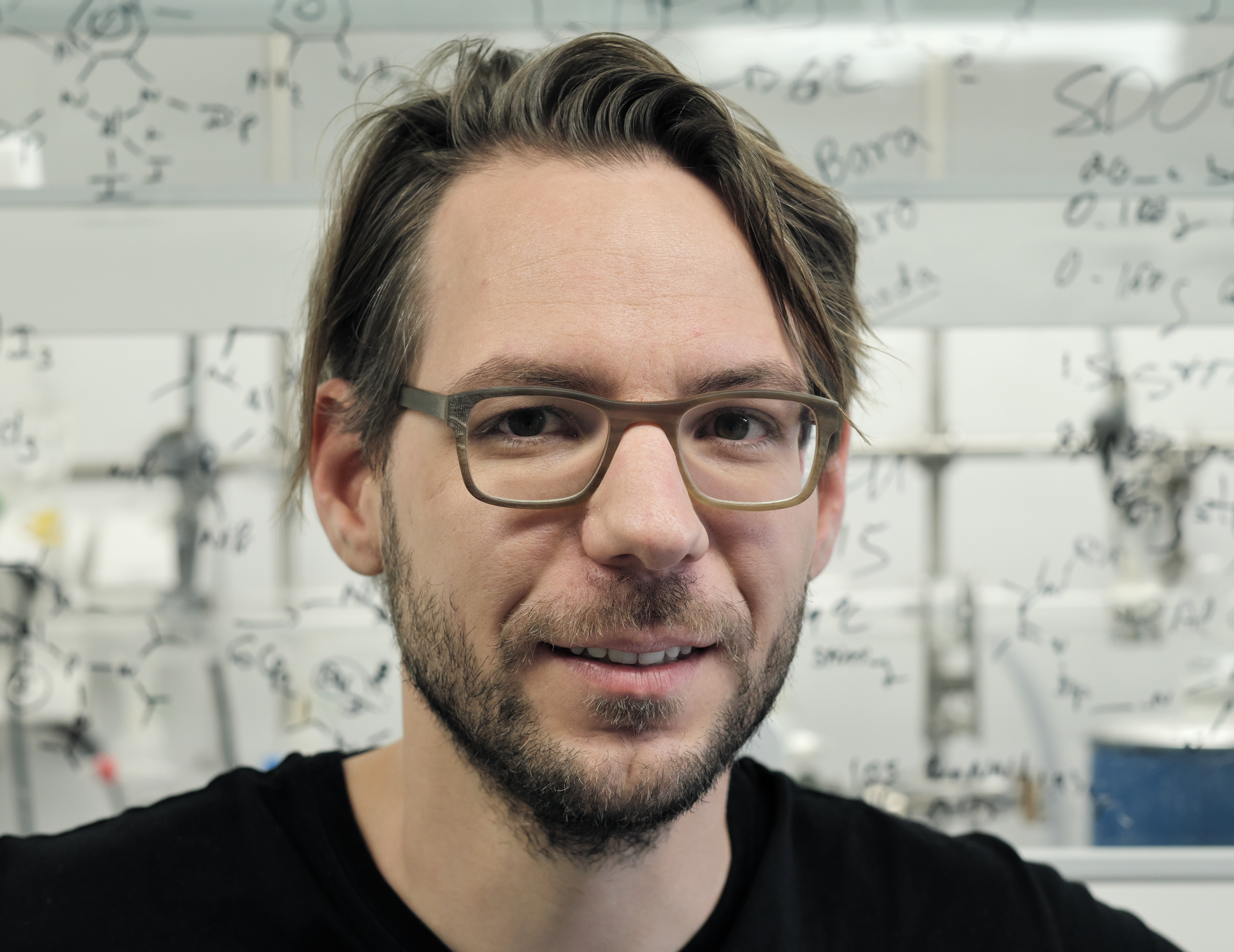
"So you can make quite cheap products from coal or graphite. But what has not yet been achieved is the production of valuable carbon compounds such as diamonds," says Dominik Munz, Professor of Coordination Chemistry at Saarland University. He is now receiving EU funding to achieve precisely this feat. 's European Research Council has now awarded him a prestigious ERC Consolidator Grant worth two million euros. Dominik Munz and his team intend to use the money over the next five years to research how, to put it bluntly, diamonds can be made from coal dust (or dirt). However, the project also aims to develop further applications in the fields of pharmaceuticals and photovoltaics.
"The key point here is that we manipulate the coal with electricity in such a way that we can specifically incorporate carbon atoms into molecules and high-tech materials," explains the chemist. This means that the energy required does not come from fossil fuels such as oil and gas, but from electricity, ideally from renewable energy sources. "We already have too much electricity in the grids at times. We could then put this to good use to produce valuable raw materials for high-tech applications in a sustainable way," explains Dominik Munz. When the sun shines so much in summer that much more solar power is generated than is needed, such peaks could flow into a factory that makes diamonds from dirt – a philosopher's stone of the industrial age, so to speak.
However, these diamonds would shine less on the fingers and necks of wealthy ladies. Carbon also plays an important role in industry and communications technology. "Diamonds are indispensable in optoelectronics, for example," explains chemist Munz. Overall, electricity can be converted into light and vice versa, which plays a role in LEDs, solar cells, pharmaceuticals, fibre optic cables and even in future technologies such as quantum computing.
However, Dominik Munz and his team of scientists will have to conduct further research before dust can be turned into diamonds (if it were that simple, someone would have done it already). In the end, according to Dominik Munz's goal ( ), the process should at least work on a laboratory scale. Even then, it will still take quite some time before large-scale application is conceivable. But the first step would have been taken. And the foundation would have been laid for carbon to remain a central building block of human civilisation for many millennia to come, thanks to decarbonised power generation.
Overview:
The Carb2Mol (Carbides to molecules) project will receive a total of around two million euros in funding from the European Research Council (ERC) over the next five years. It is expected to start in mid-2026.
Further information:
Prof. Dr Dominik Munz
Tel.: (0681) 3022970
Email:dominik.munz(at)uni-saarland.de