Information for
 Quick links
 Faculties


The following text has been machine translated from the German with no human editing.
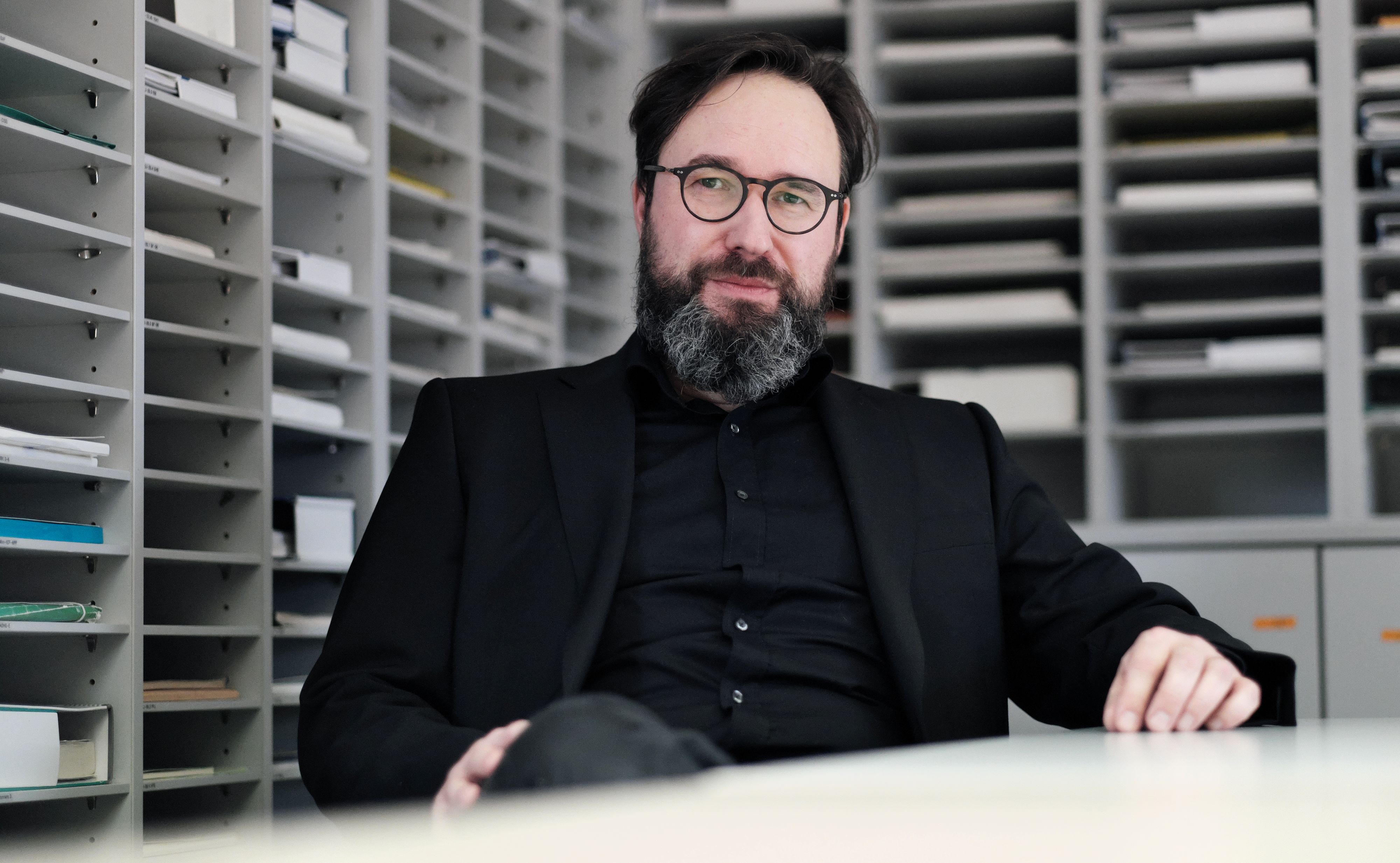
Twins are rare: only around three per cent of babies in Germany are born as twins, and only four out of every 1,000 births are identical twins. 'They can help us answer important research questions. For example, which genetic factors play a role in the development of certain diseases. Or which environmental influences can have a positive effect on the development of children and adolescents and on our health,' explains Frank Spinath, professor of psychology at Saarland University. Twins are particularly valuable for research because identical twins share 100 per cent of their genes, while fraternal twins are about 50 per cent similar.
'Since fraternal twins grow up in similar social environments even more than normal siblings, they also help the various research groups to better understand the contribution of genetics and environment to different characteristics and behaviours,' says Frank Spinath. The research projects focus, for example, on lifestyle, nutrition and sport, but also on special life events or social circumstances that shape everyday life and interpersonal relationships.
Twins aged 16 and above can register themselves in the nationwide 'Gertrud' registry using an online form, while parents can register younger twins on their behalf. They will be contacted by email when new studies are available and can then give their consent if they wish to participate in the respective study. The 'Gertrud' registry, short for 'German Twin Registry', is located at the Max Planck Institute for Human Development and is coordinated from there in collaboration with several universities and research institutes that have been active in twin research for many years. These include the Max Planck Institute for Empirical Aesthetics, Bielefeld University, Saarland University, Medical School Hamburg and Tübingen University Hospital.
'We hope that word will spread here in the region that twins can make an important contribution to international research. So if you know any twins in your family or circle of friends, please let them know about the new nationwide registry. Age and place of residence are secondary for us; the only important thing is a willingness to contribute some time and openness to scientific questions,' says psychology professor Frank Spinath.
Further information
Information about the nationwide register, twin research and current studies: www.gertrud.info
Questions answered by:
Prof. Dr. Frank M. Spinath
Saarland University
T: +49-681-302-64079
Email: f.spinath(at)mx.uni-saarland.de