 Information for
 Quick links
 Faculties


The conference has an interdisciplinary focus and offers a platform for exchange not only for those specializing in Romance languages and literature, but also for researchers from other philological disciplines.
The conference will be held in various Romance languages as well as English. Participants may also attend the conference online.
The following text has been machine translated from the German with no human editing.
When we hear such modern-sounding terms as "computer" or "digital", we don't immediately think of their centuries-old history. The noun "computer", in common use since 1946, was derived from the Latin verb COMPUTĀRE, which meant "to add up, to calculate". As early as 1615, the verb gave rise to the word "account" and in 1622 to "discount". Similarly, the word DIGITĀLIS, which once meant "belonging to the fingers", developed into the modern adjective "digital", which has been in use since 1978.
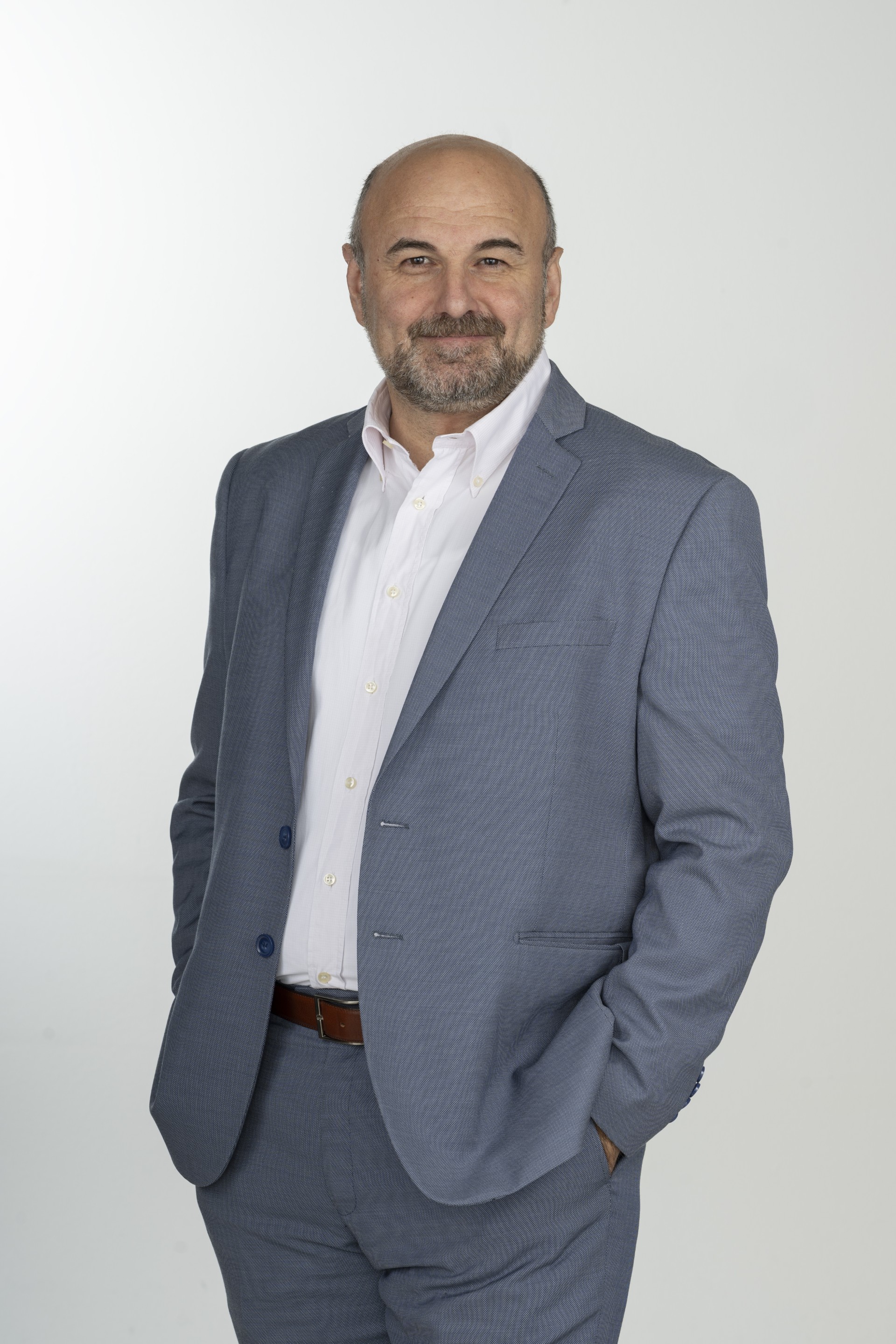
The study of such developments is the subject of historical word research. "Words are reliable witnesses to the history of the communities that use them. The words themselves have a history that is characterised by changes in their meaning and form over decades and centuries," explains Professor Elton Prifti, who holds the Chair of Romance Philology at Saarland University. "The historiography of a word is very extensive and demanding. In recent years, historical word research has become increasingly open to digitality, which has opened up new perspectives, especially in terms of methodology. A paradigm shift in the field of historical word research is taking shape," states the philologist.
The digital technologies used in historical word research enable large amounts of linguistic and historical language data to be collected and utilised in various ways. "Digital methods improve the quality of research results and lead to methodological innovations," says Elton Prifti. This is demonstrated by two large-scale long-term projects at the Chair of Romance Philology, which are funded by the Academy of Sciences and Literature in Mainz and led by Professor Prifti together with the former chair holder Professor Wolfgang Schweickard: on the one hand, the historical and etymological dictionary of Italian, the Lessico Etimologico Italiano (LEI), which is one of the largest dictionary projects in the world. On the other hand, the project Knowledge Networks in Medieval Romania (ALMA), one of the most innovative research projects in digital historical word research at present.
The Chair of Romance Philology is now offering an opportunity for a professorship, with a new series of conferences on the topic of "Digital Historical Word Research," which will take place every two years. The first edition of the conference will be held on 27 and 28 November and will focus on the theme "Texts and Words on the Internet: New Digital Access" ("Testi e parole in rete: nuovi accessi digitali"). On the first day of the conference, which can be attended in person or online, renowned experts in the field will give public lectures providing an overview of the current state of research. The Saarbrücken Academies' long-term research projects Lessico Etimologico Italiano (LEI) and Knowledge Networks in Medieval Romania (ALMA), as well as the Carlo Tagliavini Digital Private Archive project, are actively involved. On the second day, the experts will focus on specific examples of the practical application of digital historical word research in practice-oriented workshops.
The conference will take place on the Saarbrücken campus in building E1 7, room 0.01. Interested parties can also participate online:
The participation link (MS Teams) can be requested from Alessandro Nannini (alessandro.nannini@uni-saarland.de).
Experts:
- Renato Caenaro (from the Italian software company SilentWave SRLS)
- Stefania Degaetano-Ortlieb (Saarland University)
- Marcus Husar (University of Mannheim)
- Marco Passarotti (Università Cattolica del Sacro Cuore, Milan, Italy)
- Elena Pierazzo (University of Tours, France)
- Chantal Pivetta (Lund University, Sweden)
- Nicoletta Puddu (University of Cagliari, Italy)
- Roberto Rosselli Del Turco (University of Turin, Italy)
- Luigi Talamo (Saarland University)
Organisation: Prof. Dr. Elton Prifti, Dr. Giulia Barison, Alessandro Alfredo Nannini and Yasmine Posillipo
Programme:
https://www.uni-saarland.de/fileadmin/upload/lehrstuhl/prifti/ALMA/DhW_Program_.pdf
Questions answered by:
Prof. Dr. Elton Prifti: Tel.: +49 681 302-64051
Email: elton.prifti@uni-saarland.de
https://www.uni-saarland.de/lehrstuhl/prifti.html
Press photos available for download:
Press photos can be found on this news website:
https://www.uni-saarland.de/aktuell/tagung-dhw-41034.html
You may use the press photos free of charge in connection with this press release and reporting on Saarland University, provided you credit the photographer.
